
Remove indoor visitors
Sweep or vacuum individuals and reduce entry gaps. Improve ventilation or dehumidification where needed and remove damp cardboard or other unnecessary shelter.
Sources for this section
University of California IPM · University of Minnesota Extension · University of Minnesota Extension
Recognize the signs
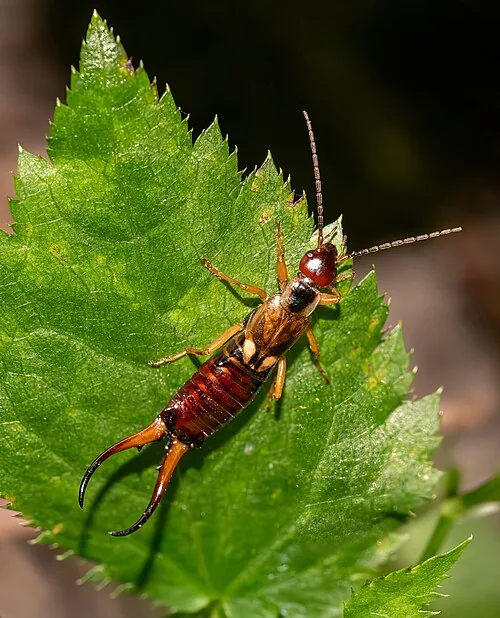
- Earwig forceps
- Earwigs have paired forceps at the abdomen tip. Nymphs resemble smaller adults; adults usually have short wing covers. The forceps are not a scorpion-like stinging tail.
- Cricket form
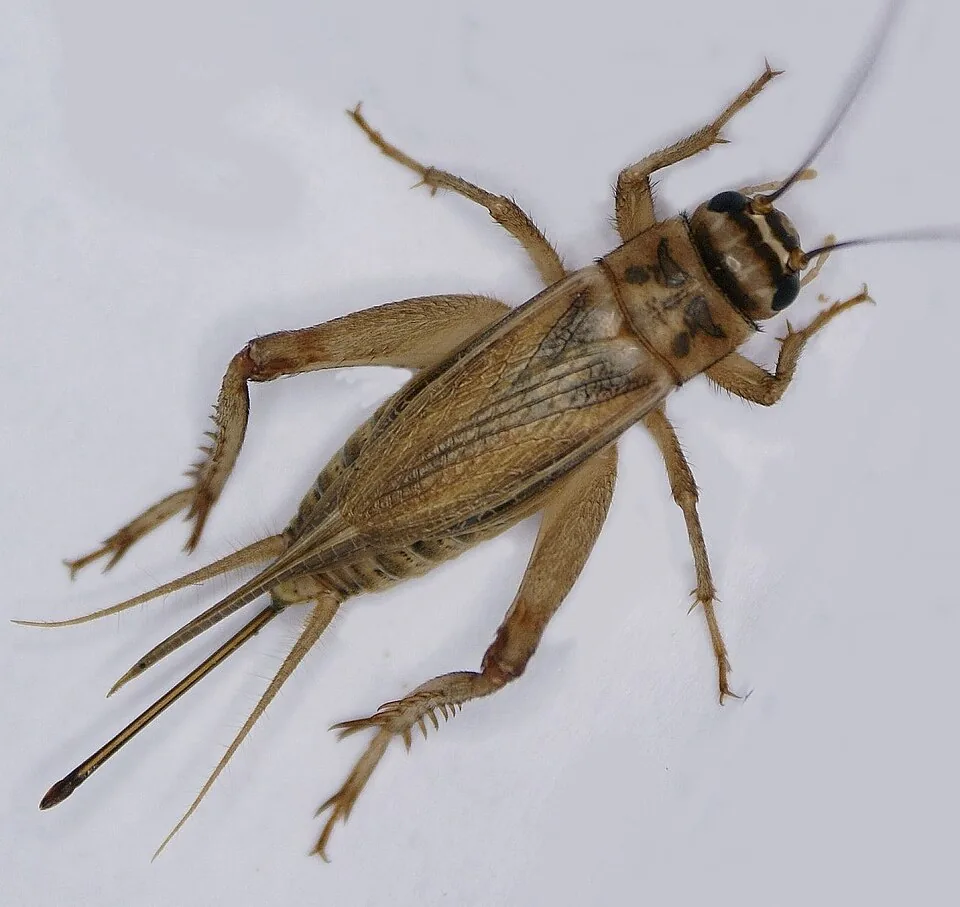
- Crickets have long antennae and enlarged rear legs for jumping. The straight ovipositor of a female cricket is an egg-laying structure, not a sting.
- Stage and location
- Cricket and earwig young hatch from eggs and grow through nymphal molts. Adults drawn to a door light and small stages repeatedly found in indoor shelter suggest different inspection priorities.
Look more closely
Compare the labeled examples and their limits. Images are independently enlarged, not shown at a common scale.
Identification limits & photo credit
An adult female with a central egg-laying ovipositor between the rear cerci. The ovipositor is not a stinger. Other crickets and immature stages differ.
Adult female house cricket. Photo: Geyersberg, Professor emeritus Hans Schneider. CC BY-SA 3.0. Original source · CC BY-SA 3.0 & details
Identification limits & photo credit
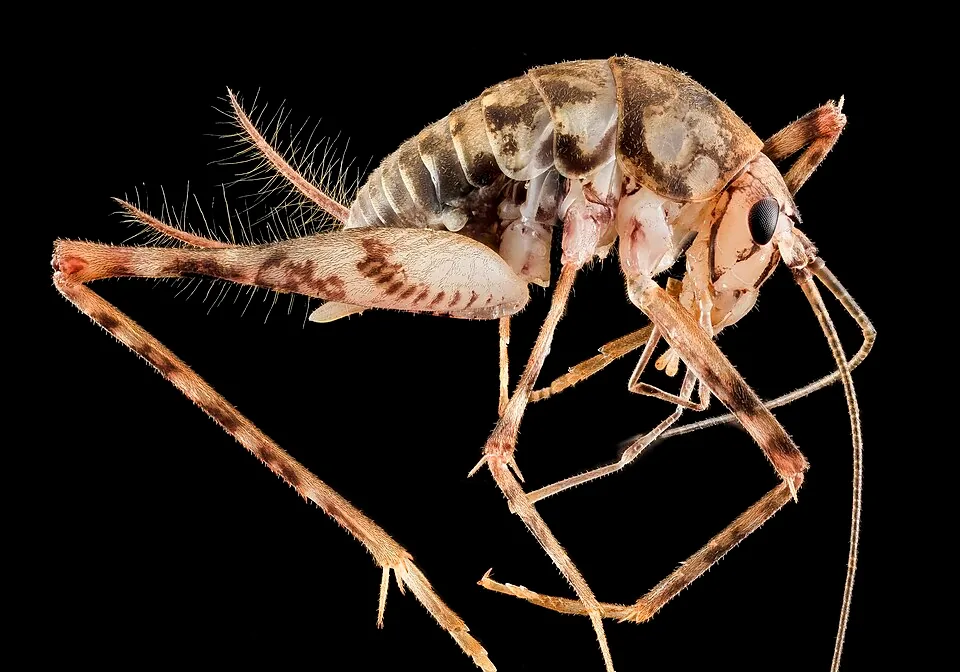
Source labels an immature camel cricket from a Maryland basement. Adult size and coloration differ; it is an insect with six legs, not a spider, and it has no true wings.
Immature greenhouse camel cricket, side view. Photo: USGS Bee Inventory and Monitoring Lab. CC BY 2.0. Original source · CC BY 2.0 & details
Sources for this section
University of California IPM · University of Minnesota Extension
Differences that change the decision
A similar-looking organism can need a different response. Compare the evidence and what it changes.
Compare every column. On a narrow screen, scroll the table sideways.
| Type | What to check | What changes |
|---|---|---|
| European earwigs | Night-active insects shelter under damp objects and can eat plants as well as small arthropods. | Inspect fresh garden injury after dark. Where they are eating pests or only wandering indoors, broad treatment is unnecessary. |
| Striped earwigs | A different group sometimes attracted to lights; UC IPM describes the southern California species as primarily a nuisance rather than a plant pest. | Species and observed feeding matter. Do not apply the European earwig's damage profile to every earwig. |
| Field crickets | Often dark, with conspicuous hind legs; adult males may chirp and arrivals can follow lighting or seasonal changes. | Focus on entry and nearby cover, while checking vulnerable soiled fabrics if numbers are high. |
| House crickets | Often yellow-brown with dark bands behind the head; winged adults can chirp. | Check warm shelter, food and fabric damage if activity persists. Confirm a source before treating every cupboard. |
| Camel or cave crickets | Hump-backed, wingless, long-legged and silent; often associated with damp basements or crawl spaces. | Drying and reducing clutter are more relevant than changing a light that is not attracting them. |
| Jerusalem crickets | Large, wingless western insects with a rounded head and banded abdomen, often exposed by digging or rain. | An alarming appearance usually does not justify control. Potato bug is ambiguous and can also mean unrelated beetles or woodlice. |
Sources for this section
University of California IPM · University of Minnesota Extension · University of California IPM
What else could it be?
Cockroach nymphs
Lack the enlarged cricket jumping legs or earwig forceps. A clear side and top view helps distinguish a young insect.
Slugs and caterpillars
Can make similar plant holes. Look for the actual night feeder, slime, frass or webbing rather than diagnosing from damage alone.
Spiders
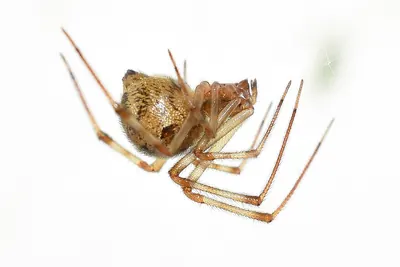
A camel cricket has six legs and antennae; a spider has eight legs and no antennae.
Compare spidersSources for this section
University of California IPM · University of Minnesota Extension
Inspect the right places
Check shelter and entry
Inspect accessible basement clutter, door gaps and damp ground cover beside the building. Note whether sightings concentrate near lights or in dark, moist areas.
Confirm garden feeding
Use a flashlight after dark at recently damaged seedlings, flowers or soft fruit. An earwig hiding in an already damaged fruit may not have caused the original injury.
Check fabric evidence
Where crickets recur, inspect stored or soiled textiles for fresh damage and actual insects. Old holes alone cannot identify the cause.
Sources for this section
University of California IPM · University of Minnesota Extension · University of Minnesota Extension
Choose a proportionate response
For pesticides, the local product label determines the allowed pest, site, precautions and timing. Check safety and regional guidance.
Remove indoor visitors
Sweep or vacuum individuals and reduce entry gaps. Improve ventilation or dehumidification where needed and remove damp cardboard or other unnecessary shelter.
Manage confirmed earwig damage
Place rolled newspaper or similar shelter traps near affected plants in the evening and inspect them in the morning. Keep a catch and fresh-damage record; reduce excess nearby shelter and water without removing all beneficial habitat.
Reduce cricket access
Repair door sweeps and screens and reduce unnecessary exterior light near entrances where light-attracted crickets recur. For camel crickets, concentrate on damp shelter and access instead.
Protect belongings
Clean and dry affected textiles before storing them in protective containers. Persistent confirmed indoor activity warrants a source review rather than indiscriminate spraying.
Sources for this section
University of California IPM · University of Minnesota Extension · University of Minnesota Extension
Avoid these mistakes
- Do not treat earwigs as an ear-burrowing parasite; the name is not a medical diagnosis.
- Do not spray plants solely because an earwig was found nearby; it may be feeding on aphids or decaying material.
- Do not use indoor insecticide as a substitute for fixing repeated entry or moisture.
- Do not handle unfamiliar large insects merely because a guide says their group is usually low risk.
Sources for this section
University of California IPM · University of Minnesota Extension · University of California IPM
Check whether it is working
For an earwig trapping program, UC IPM recommends daily trap checks. Editorial suggestion: compare new plant injury and catches together, and record indoor visitors during routine cleaning.
Fresh plant injury becomes tolerable and indoor sightings decline. A reduction in trap catch without inspecting the plant is incomplete evidence; not every outdoor earwig needs removal.
Get help when…
- Persistent indoor crickets with developing stages or continuing fabric damage need identification and source assessment.
- A damp crawl space or suspected leak may need a building specialist.
- Garden damage that continues without the suspected insect present should return to a broader plant diagnosis.
Sources for this section
University of California IPM · University of Minnesota Extension · University of Minnesota Extension
Prevent a return
- Keep damp clutter away from entry points and maintain appropriate drainage.
- Use practical screen and door repairs and shield unnecessary outdoor lighting.
- Inspect vulnerable young plants directly rather than scheduling preventive sprays.
Sources for this section
University of Minnesota Extension · University of Minnesota Extension
Common questions
Why does a camel cricket not chirp?
Camel crickets are wingless and do not produce the familiar wing-based cricket song. Silence does not exclude a cricket.
Are earwigs always harmful in the garden?
No. They can consume aphids and other small animals. The decision depends on observed injury to susceptible plants, not their presence alone.
Sources for this section
University of California IPM · University of Minnesota Extension
Sources & scope
References retain their geography and dates. A source-check date is not a claim of independent specialist review.
- Earwigs
University of California IPM. California species differences, garden damage and daily trapping guidance. Checked 2026-10-15.
- Earwigs
University of Minnesota Extension. Minnesota indoor nuisance and garden inspection; local seasonal timing is not generalized. Checked 2026-10-15.
- Crickets
University of Minnesota Extension. Minnesota field, house and camel cricket distinctions, shelter and fabric concerns. Checked 2026-10-15.
- Jerusalem Cricket
University of California IPM. Western US incidental visitor, identification and low need for control. Checked 2026-10-15.
Individual medical or veterinary diagnosis, structural assessment, uncertain species identification and local treatment permissions require the appropriate professional. About our editorial process.
Keep investigating
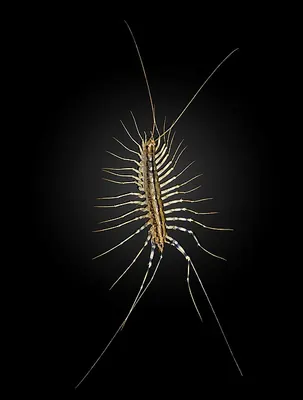
Moisture-loving visitors
These sightings often point to moisture, outdoor shelter or available prey rather than damage to the home.
Spiders
Most household and garden spiders are predators that can be left alone or moved out of the immediate activity area.
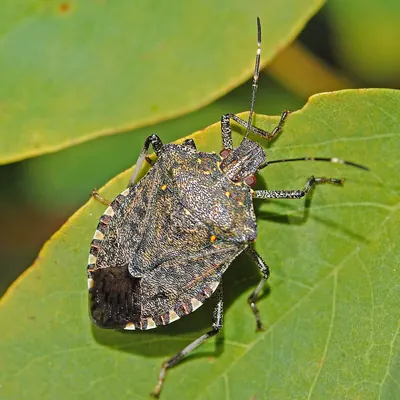
Overwintering insects
Seasonal clusters at a sunny wall or window often involve adults seeking shelter.