Garden
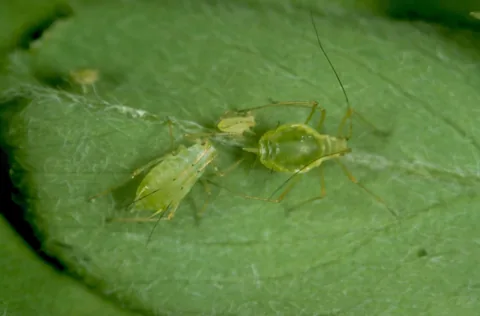
Aphids
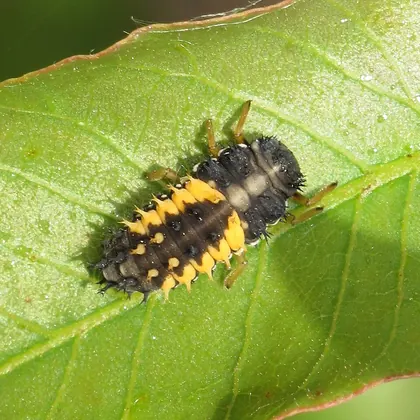
Look for live colonies on tender growth before treating curled leaves.
Acyrthosiphon pisumPhoto credit
 PestGuidesA field guide for everyday lifeMy notebook
Find a name you know, or search for the signs you can see. Each guide connects identification to inspection, action and follow-up.
56 guides, with related species and lookalikes.
Look for live colonies on tender growth before treating curled leaves.
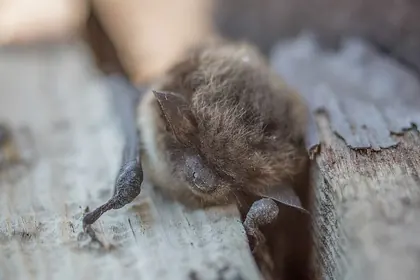
A bat in a living space needs an exposure assessment before release.
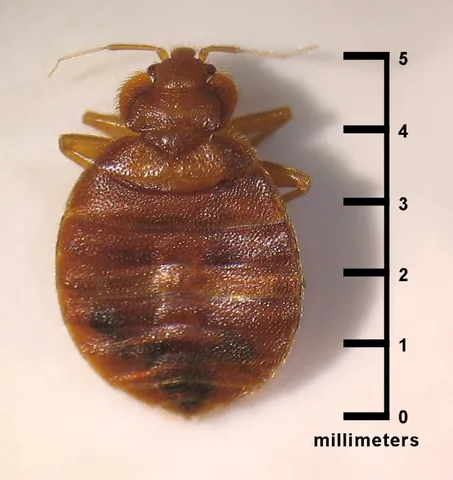
Start with a specimen or physical evidence near a sleeping place.
Before removing an insect, check what it is eating and which life stage you are seeing.
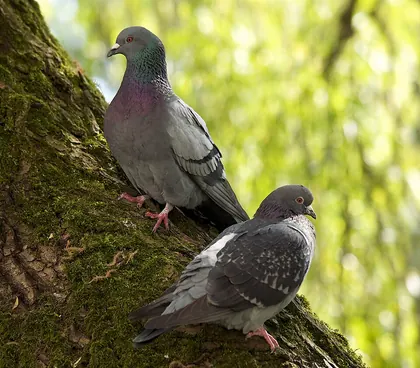
Confirm which bird is using the site and whether eggs, chicks or dependent young are present.
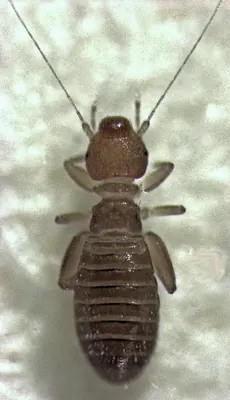
Booklice are small, non-biting insects often associated with damp, mould-supporting material.
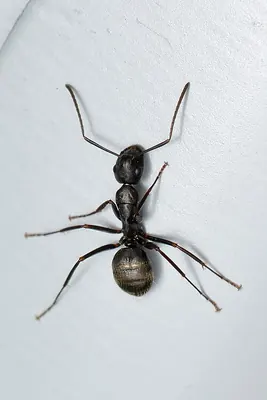
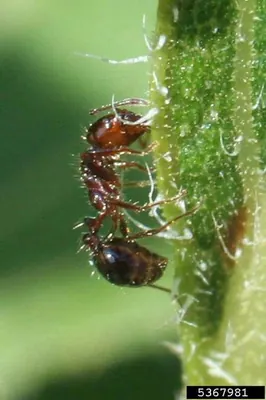
Carpenter ants excavate wood for shelter; they do not eat it.
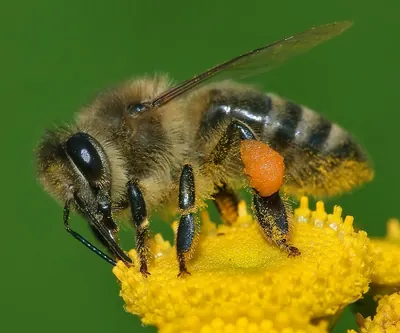
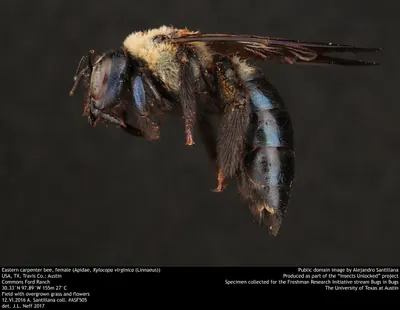
A large bee entering a round timber hole may be a carpenter bee.
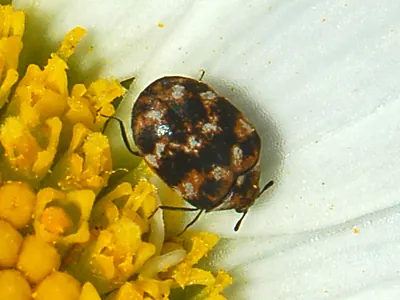
A few adult beetles at a window do not establish a fabric infestation.
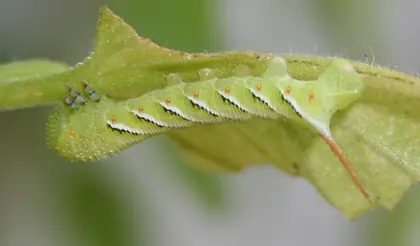
Find the larva, its waste and its feeding site before acting on holes.
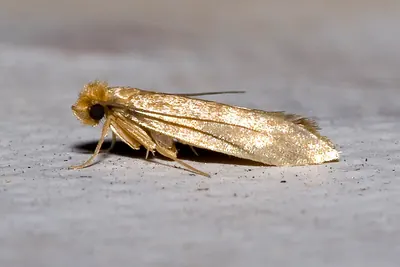
Confirm larvae, silk or fresh damage in susceptible material.
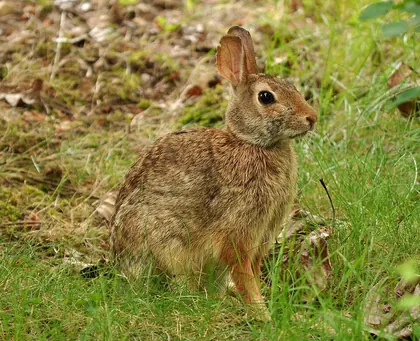
Use tracks, bite pattern and feeding height together.
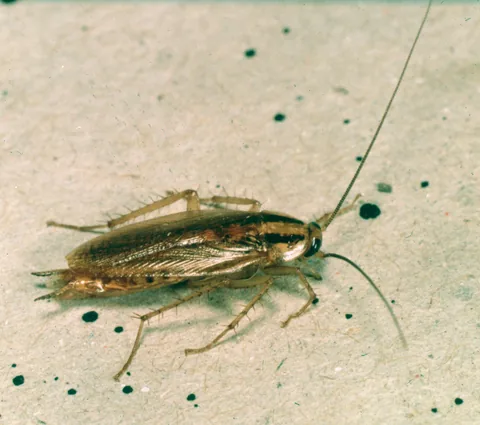
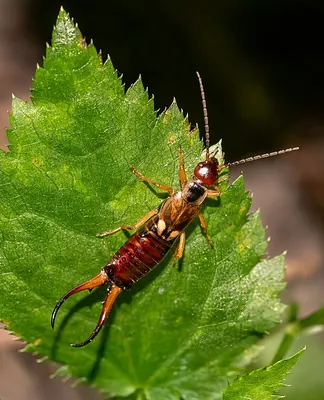
A chirp, a pair of pincers or a jumping basement insect leads to different checks.
Keep people and pets away from a suspected fire-ant nest and arrange identification without disturbing it.
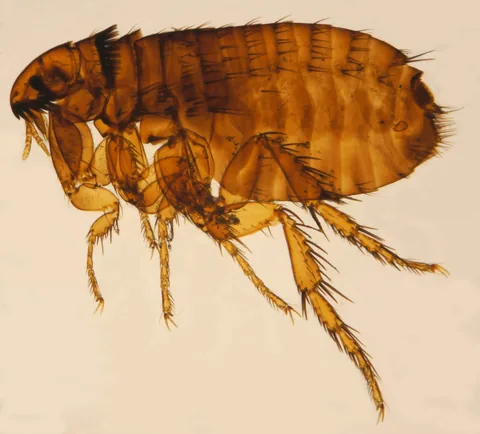
Confirm a flea on an animal or in the environment, then coordinate veterinary care with cleaning where animals rest.
A small fly in the kitchen is a candidate, not an identification.
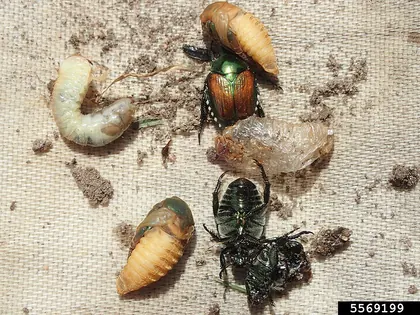
Identify the beetle and its host before removing it.
Identify whether flies are arriving from waste, emerging from hidden decay, sheltering for winter or biting outdoors.
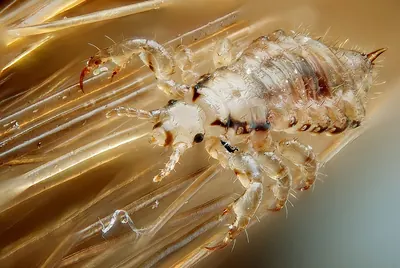
Head, body and pubic lice require different checks and responses.
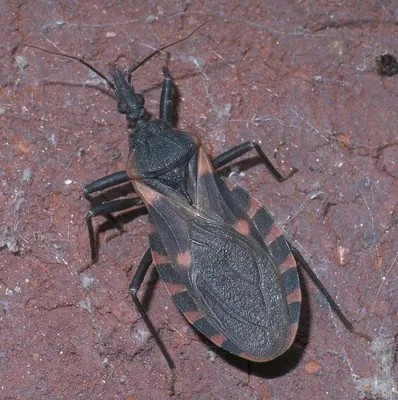
Photograph a suspected kissing bug and keep it safely contained if this can be done without contact.
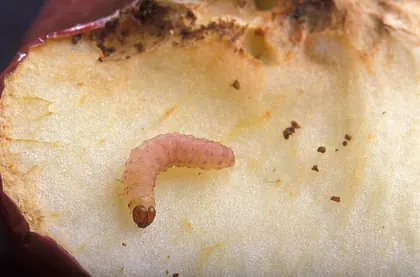
The host, ripeness and pattern inside a cut fruit matter more than the word worm.
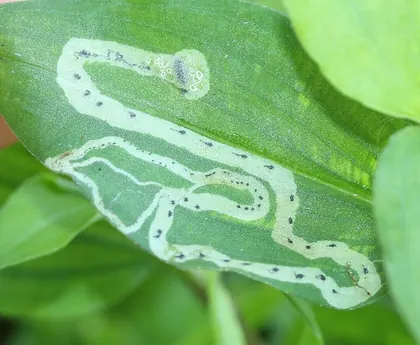
A pale trail or blotch between leaf surfaces suggests a miner, but old mines can be empty.
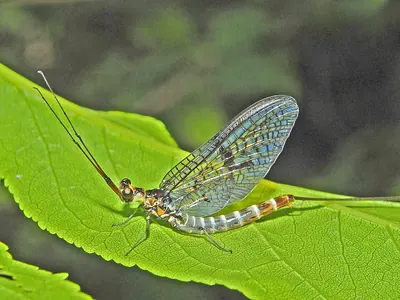
Many insects gathering at lights developed in nearby water or soil and are not breeding inside the house.
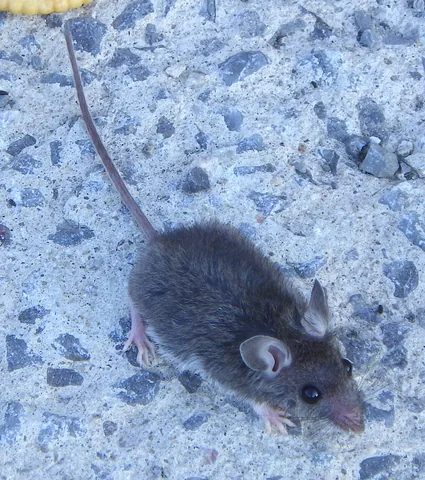
Confirm fresh mouse activity, protect food and plan exclusion with trapping.
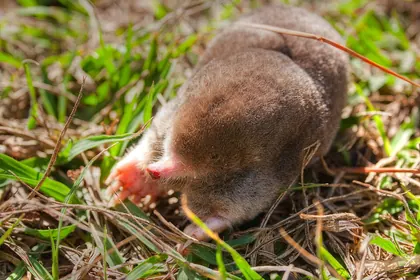
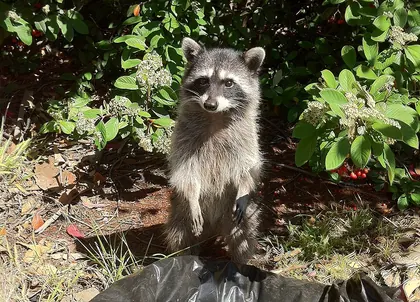
Match the animal to fresh signs before choosing control.
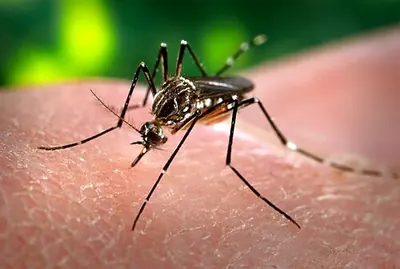
Start with water-holding containers and protection from bites.
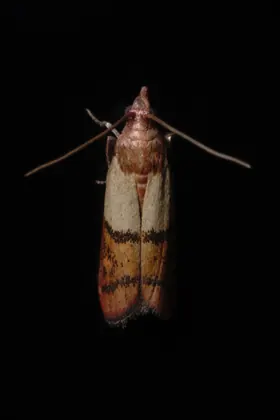
Moths or tiny beetles in a kitchen are a reason to inspect stored products, not proof that every packet is infested.
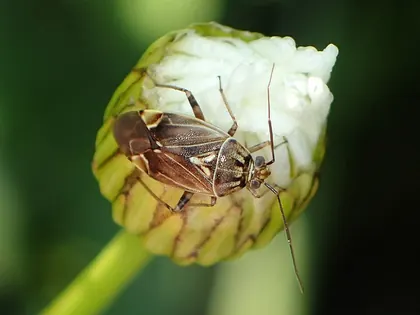
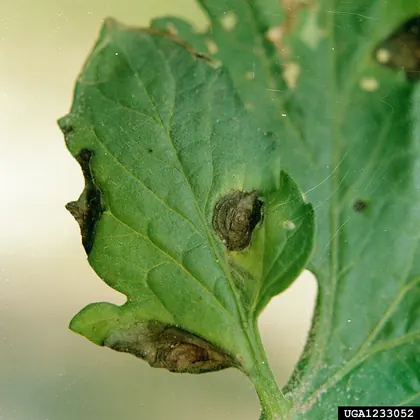
Start with the host and the insect, not a pale spot or wilted leaf.
Start with the plant, the pattern and its growing conditions.
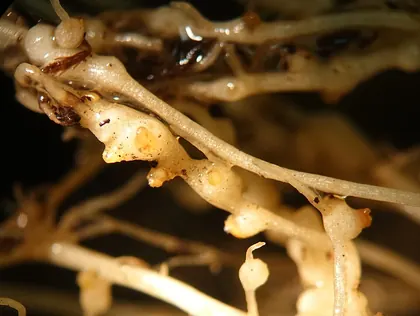
Stunted or wilting plants do not establish nematodes.
An occasional visitor usually calls for removing food access and avoiding contact.
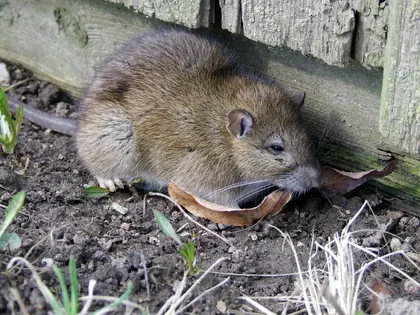
Look above and below ground, then combine secure food storage, durable entry repairs and rat-sized trapping.
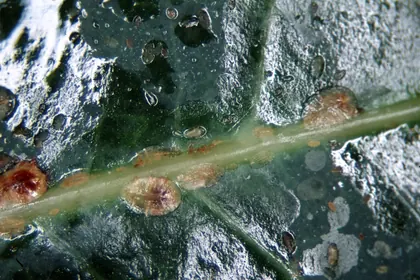
Separate armoured scale, soft scale and mealybugs before choosing an action.
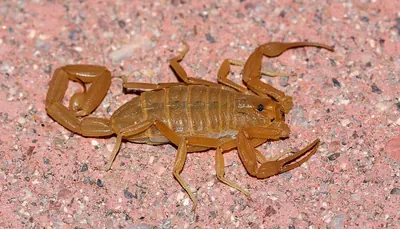
Keep your distance from an unidentified scorpion and check likely contact points such as shoes, bedding and stored materials.
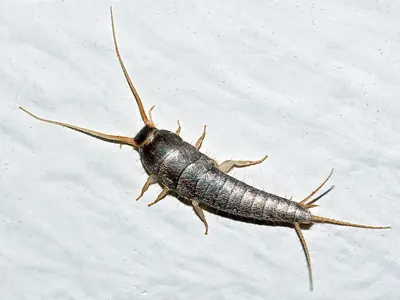
Three tail filaments and a tapering, wingless body suggest a silverfish relative.
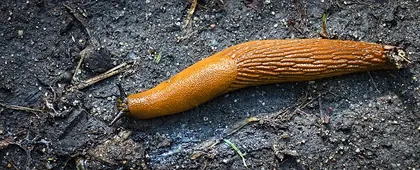
Inspect after dark for the animal or fresh slime near chewed plants.
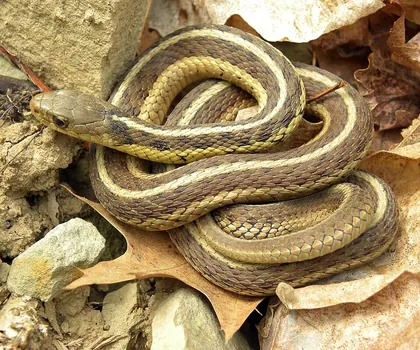
Keep your distance and avoid handling an unidentified reptile.
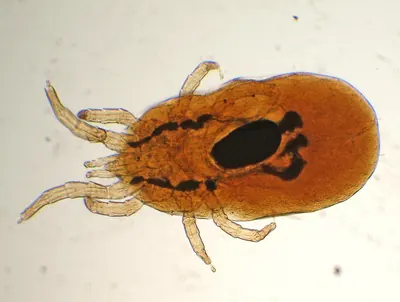
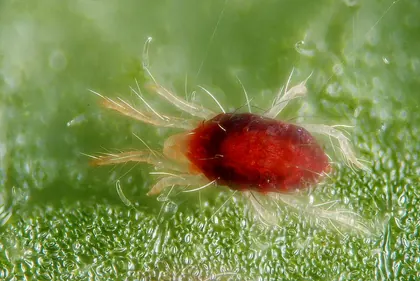
Use a lens to connect leaf stippling with live mites.
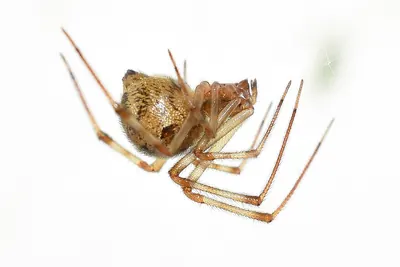
Most household and garden spiders are predators that can be left alone or moved out of the immediate activity area.
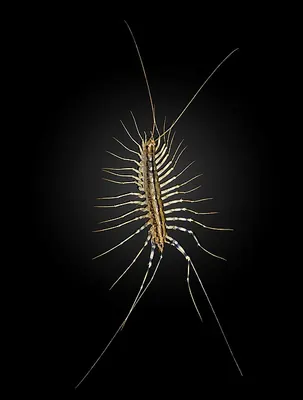
These sightings often point to moisture, outdoor shelter or available prey rather than damage to the home.
Observe whether the animal uses trees, roof openings or ground burrows.
Seasonal clusters at a sunny wall or window often involve adults seeking shelter.
Photograph, record the location and pause movement of suspect plants, wood or equipment.
Swarms, tubes, pellets and damaged wood are clues that need interpretation.
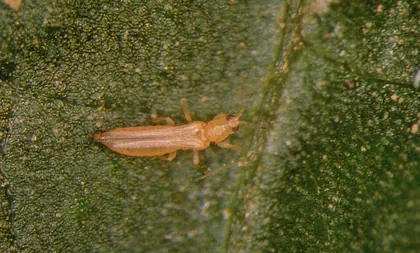
Confirm slender insects alongside fresh scarring before treating.
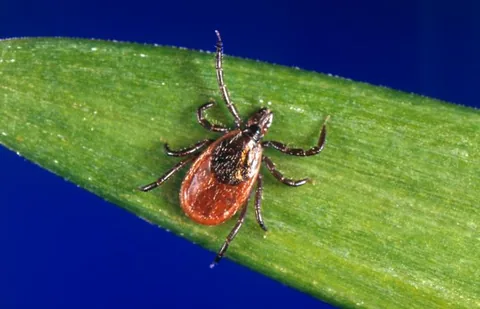
An attached tick needs prompt removal before identification work.
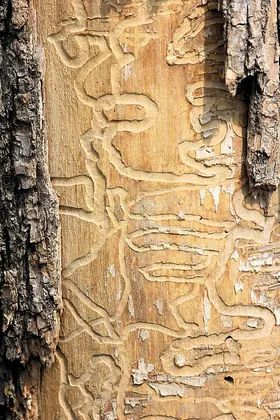
Identify the tree and document fresh boring evidence.
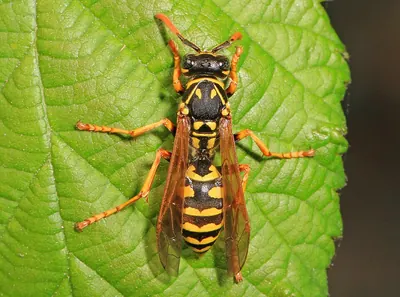
A foraging wasp, a solitary mud nest and a busy social colony need different responses.
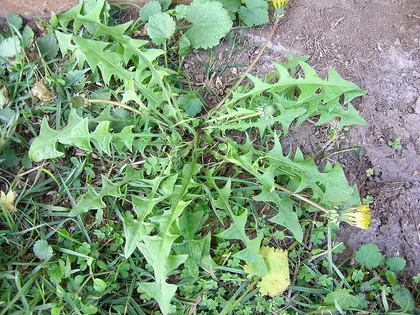
Identify the plant and whether it returns from seed, roots or tubers.
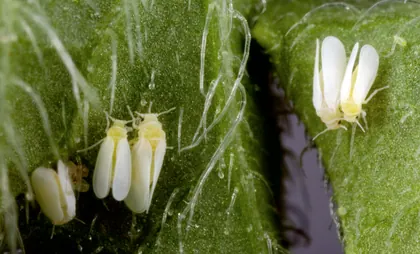
A cloud of tiny white adults is a clue; inspect leaf undersides for their immature stages.
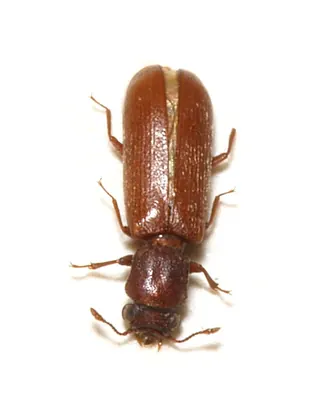
Exit holes and powder can outlast the insects that made them.
Try a shorter name, “flies” instead of “gnats”, or start from the evidence.
Help me identify it