
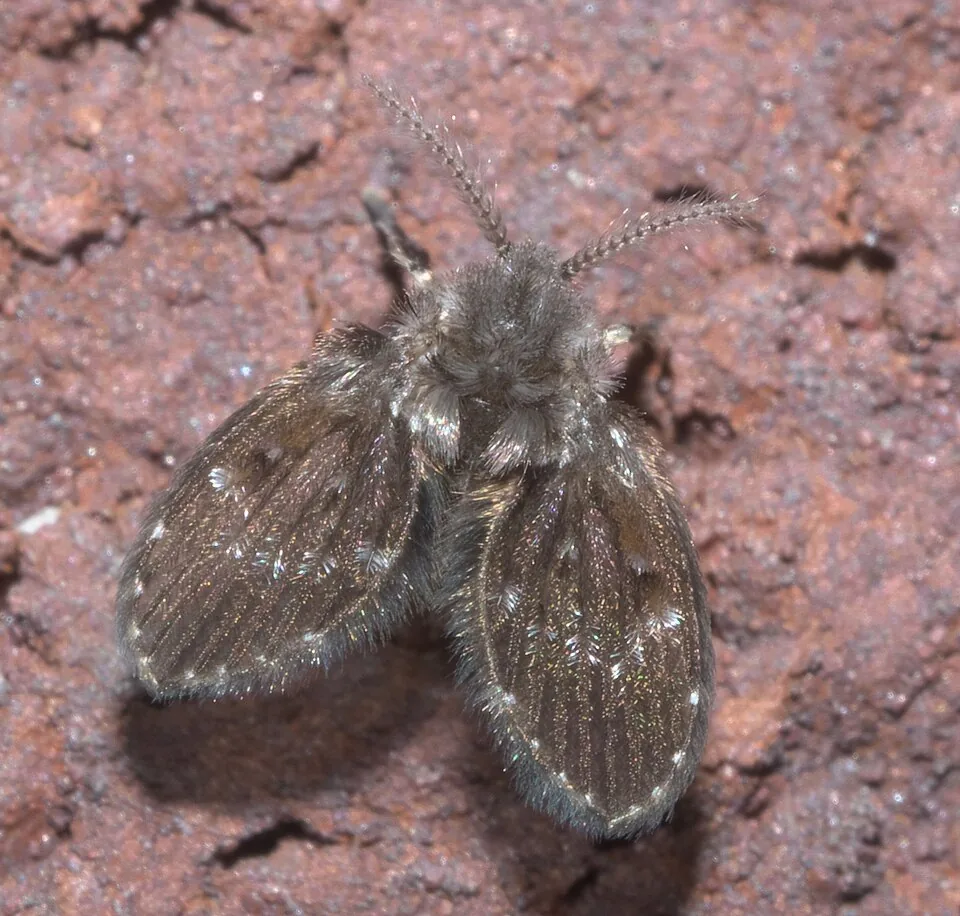
Remove fermenting material
Dispose of spoiled sources, store usable ripe produce appropriately and clean residue from containers and the spaces around them. Empty and clean recycling and waste containers. Adult traps may help reduce or monitor remaining flies while the source work takes effect.
Recognize the signs
- Start with an intact adult
- Photograph the side and top next to a size reference without crushing the wings. Fuzzy triangular wings, a long-legged mosquito-like body, or a strongly arched back separate useful candidate groups. Eye colour alone cannot exclude fruit flies.
- Observe movement
- Drain flies make short, weak flights; fungus gnats often stay around pots; phorids commonly run rapidly across a surface. Behaviour supports identification but several species may share one room.
- Look for the immature stage
- These flies pass through egg, larva, pupa and adult. Finding larvae in a specific substrate is stronger evidence of an indoor breeding source than finding an adult attracted to a window.
- Keep bite reports separate
- The common indoor fruit, drain, fungus-gnat and household phorid groups do not bite. A skin mark cannot establish which insect caused it. Obtain identification of a captured insect and appropriate health advice for persistent or severe symptoms.
Look more closely
Compare the labeled examples and their limits. Images are independently enlarged, not shown at a common scale.
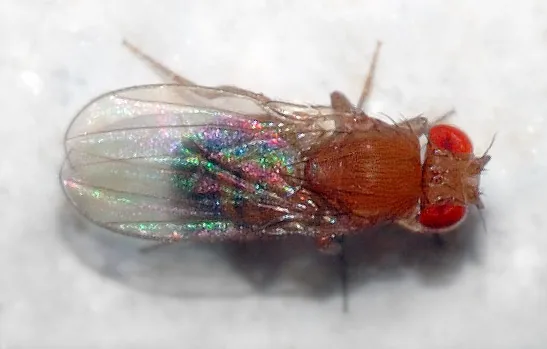
Inspect fermenting food and residues. A fly over a sink does not establish a drain source.
Identification limits & photo credit
A magnified adult fruit fly. Not all small flies have red eyes. Confirm the body shape and breeding material; this does not identify every vinegar fly or establish a source.
Fruit fly, dorsal view. Photo: André Karwath aka Aka. CC BY-SA 2.5. Original source · CC BY-SA 2.5 & details
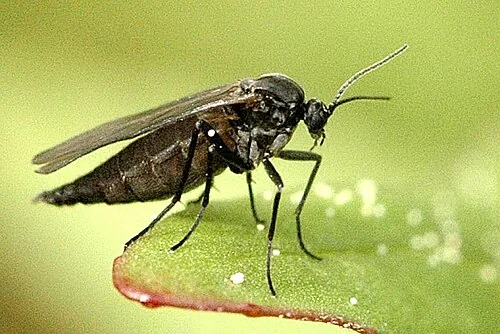
Compare the slender, long-legged adult and inspect moist growing media. Do not assume every kitchen fly breeds in soil.
Identification limits & photo credit
One fungus gnat species photographed in Belgium. Long legs and a slender body are visible, but species-level identification needs finer characters and the breeding source must be checked separately.
Fungus gnat, side view. Photo: James K. Lindsey. CC BY-SA 2.5. Original source · CC BY-SA 2.5 & details
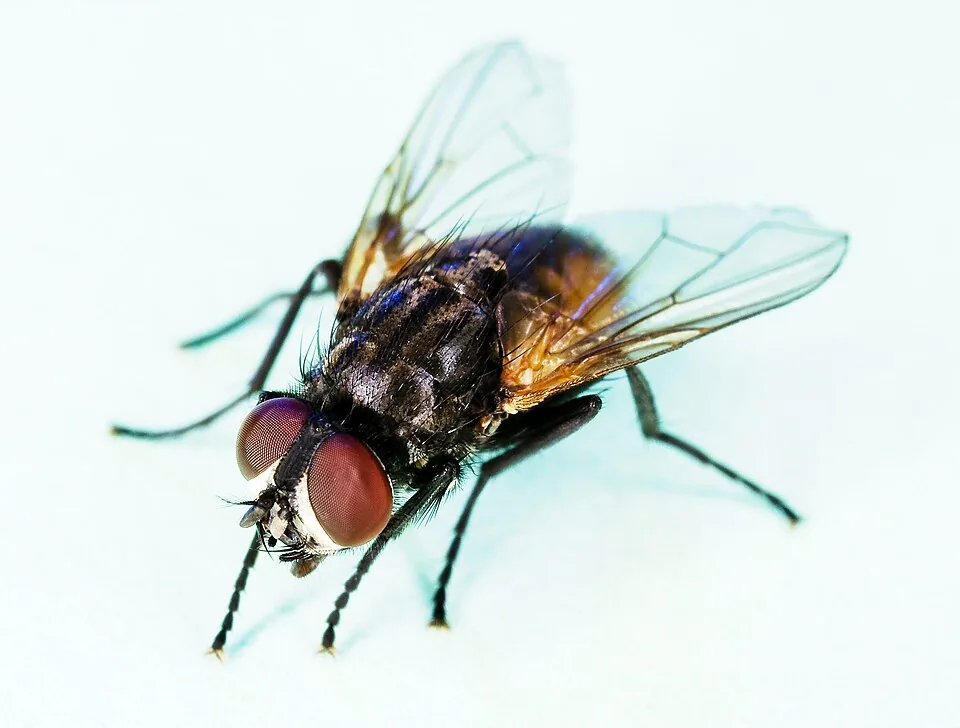
Identification limits & photo credit
One adult house fly. Similar flies and biting flies need separate identification; this image does not prove a sanitation source or show every character used in a fly key.
Common house fly. Photo: USDAgov. CC BY 2.0. Original source · CC BY 2.0 & details
Sources for this section
University of Kentucky Entomology · University of California IPM · University of California IPM
Differences that change the decision
A similar-looking organism can need a different response. Compare the evidence and what it changes.
Compare every column. On a narrow screen, scroll the table sideways.
| Type | What to check | What changes |
|---|---|---|
| Fruit or vinegar flies | Small, compact flies are often tan with red eyes, but dark-eyed forms also occur. Fermenting produce, drink residues and damp organic films are typical associations. | Inspect all fermenting sources, including a forgotten potato, recycling and wet cleaning materials. A drain is only one possibility; a clean fruit bowl does not rule out a hidden source. |
| Drain or moth flies | Fine hairs make the body and broad roof-held wings look like a miniature moth. Adults often rest on walls near wet organic buildup. | Confirm which drain or other wet source produces flies. Remove the film and correct drainage; pouring liquid down a pipe without removing the breeding material may give only temporary relief. |
| Fungus gnats | Dark, delicate adults have long legs and antennae. Larvae in moist growing media are translucent to whitish with a dark head. | Check watering and drainage before treating leaves. Adults do not damage the plant; wilting is more often a root or watering problem than proof of gnat damage. Young plants with many larvae deserve closer inspection. |
| Household phorid or scuttle flies | A distinctly humped side profile and fast running are useful clues. Species can develop in garbage, decay, wet material near appliances or leaking sewage. | If normal cleaning does not reveal the source, obtain a specimen identification and a plumbing or building investigation. A vinegar trap cannot repair a leaking waste pipe. |
| Mushroom phorid | This is a particular phorid associated with mushroom production, whose larvae feed on fungal mycelium. It cannot be identified from the nickname sewer fly. | In a mushroom-growing district, persistent arrivals may be an outside-source problem. Confirm the species before assuming household sewage contamination or applying drain treatments. |
| Shore flies | More robust than fungus gnats, with short antennae, these flies can occur around algae and wet growing areas. | Inspect algae and excess moisture. Do not diagnose root-feeding fungus gnats solely because a small fly was found beside a plant. |
Sources for this section
University of Kentucky Entomology · University of Kentucky Entomology · University of California IPM · University of California IPM · Penn State Extension
What else could it be?
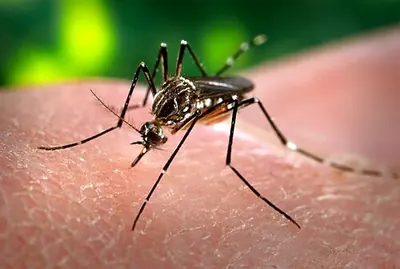
Mosquitoes
Some fungus gnats look mosquito-like, but adult fungus gnats do not bite. Compare the specimen and breeding evidence rather than attributing a bite to the nearest small fly.
Compare mosquitoes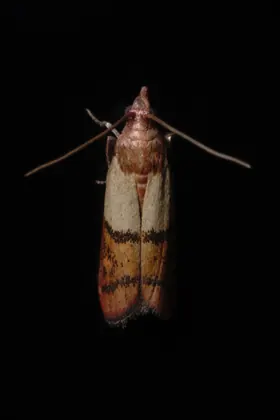
Small moths
A pantry or clothes moth has scaly wings and a different larval food source. Pantry webbing or fabric-feeding larvae changes the inspection route.
Compare pantry pests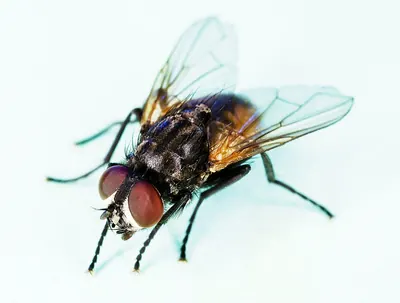
Larger filth or seasonal flies
House, blow and cluster flies have different sources and management. A tiny fly will not grow into a large house fly; adult body size does not increase after emergence.
Compare fliesSources for this section
Inspect the right places
List sources by room
Make a short record of each suspect source and the flies seen there. In a kitchen, include produce storage, recycling, bin rims, beneath appliances and wet cloths. In a bathroom, include every drain and damp leak site. Beside plants, include the growing medium and standing saucer water.
Test one drain against another
An emergence check can help locate a source. When the fixture will not be used, a clear bag over the opening overnight can catch emerging flies; UC guidance uses a covered emergence trap for drain flies over 24 hours. Mark the fixture as unavailable and remove the cover before use. A negative check is one observation, not proof that deeper plumbing is sound.
Inspect a plant without assuming the cause
Look for consistently wet mix, poor drainage and larvae. A yellow sticky card near the pot can record adult activity, but it will not identify root disease or solve the larval problem. If leaves wilt, assess watering and roots before adding more water.
Investigate persistent hidden-source signs
Record which rooms remain active after verified sources are cleaned. Repeated phorid or drain-fly activity with leaks, odour or inaccessible wet material merits a pest identification and plumber's assessment. Do not enter sewage-contaminated or unsafe voids.
Choose a proportionate response
For pesticides, the local product label determines the allowed pest, site, precautions and timing. Check safety and regional guidance.
Remove fermenting material
Dispose of spoiled sources, store usable ripe produce appropriately and clean residue from containers and the spaces around them. Empty and clean recycling and waste containers. Adult traps may help reduce or monitor remaining flies while the source work takes effect.
Remove drain film physically
Clean accessible organic buildup with a suitable brush using the fixture manufacturer's instructions. Clear slow drainage safely or use a plumber. If using a cleaning product, follow its label and never mix products. Hidden pipe leaks require repair; an air spray cannot reach the developmental source.
Correct pot moisture
Allow the surface to dry between waterings as the plant tolerates, provide drainage and empty unwanted standing water. Avoid stressing a plant that needs consistent moisture. Keep an infested pot from being moved among other plants while you investigate.
Choose a targeted next step
If fungus-gnat larvae persist despite suitable water management, consult a local plant specialist about a product or biological control authorised for that plant and growing medium. An adult sticky card and a larval treatment perform different tasks. A mosquito product is not automatically authorised for every houseplant use.
Use the source evidence to decide who helps
A plumber addresses a pipe failure, a plant specialist addresses failing roots, and a pest professional can identify an unclear fly and locate concealed sources. For heavy outdoor influx near commercial production or sewage facilities, document timing and contact the appropriate local service.
Avoid these mistakes
- Calling every small fly a fruit fly from its room alone.
- Using bleach or boiling water as a substitute for removing drain film; repeated liquid treatment can leave the developmental habitat intact.
- Mixing cleaners, pesticides or improvised drain remedies.
- Relying on adult traps while continuing to overwater plants or leave fermenting residues.
- Assuming phorid flies always mean sewage: their species and developmental sources vary.
Sources for this section
University of Kentucky Entomology · University of California IPM · University of California IPM · Penn State Extension
Check whether it is working
Use an editable observation reminder to compare adult activity at the same sources after cleaning or watering changes. The overnight or 24-hour drain check is a diagnostic sampling period, not a cure deadline. Follow product-specific servicing instructions for any traps or authorised treatment.
Adult counts trend downward at the cleaned source, larval habitat stays corrected and no new sources become active. Existing immature stages and incoming adults can complicate the first observations, so record where flies appear rather than promising a fixed day of eradication.
Get help when…
- Persistent drain or phorid flies with no accessible source, a leak or sewage odour: arrange identification and a plumbing/building assessment.
- A declining seedling or houseplant with root symptoms: seek plant diagnosis instead of assuming adults caused the damage.
- Repeated large influxes from outdoors: ask local extension or environmental services to assess source and species.
- An apparent biting insect: retain a specimen and use the biting-fly or mosquito route; seek medical advice for concerning symptoms.
Sources for this section
University of Kentucky Entomology · University of California IPM · University of Minnesota Extension
Prevent a return
- Keep produce storage visible and check overlooked potatoes, onions and damaged fruit.
- Rinse recyclable containers and clean residue from bins, damp cloth storage and appliance drip areas.
- Maintain drains and repair leaks before persistent organic buildup develops.
- Inspect new pots and store potting mix protected from infestation; match watering to the plant and container.
- Repair screens while retaining required ventilation.
Sources for this section
University of Kentucky Entomology · University of California IPM · University of Minnesota Extension
Common questions
Why are flies still appearing after I removed the fruit?
Other fermenting material may remain, or the fly may belong to another group. Inspect drains, recycling, damp cleaning materials and pots, and compare the adult's anatomy before changing treatment.
Does a vinegar trap prove the flies are breeding in the drain?
No. A baited trap records attraction to that trap. An emergence check at a particular opening and larvae in the associated material are stronger evidence about where development occurs.
Will sticky cards cure fungus gnats?
Cards catch adults and help compare activity. The larvae remain in the growing medium, so moisture, drainage and any justified larval treatment still need attention.
Do I need to throw out every houseplant?
Usually begin with identification, suitable watering and drainage. If a plant is declining, diagnose the roots and growing conditions. Disposal or repotting is a case-specific choice, not a conclusion from one adult fly.
Sources for this section
University of Kentucky Entomology · University of California IPM · University of California IPM · University of Minnesota Extension
Sources & scope
References retain their geography and dates. A source-check date is not a claim of independent specialist review.
- Fruit Flies
University of Kentucky Entomology. Revised March 2026; biology, hidden fermentation sources and overnight emergence checks. Checked 2026-10-15.
- Small Flies
University of Kentucky Entomology. Indoor fly comparisons and phorid source finding; no drain-cleaner recipes or blanket disease claims adopted. Checked 2026-10-15.
- Moth or Drain Flies
University of California IPM. 2014 biology and physical source removal; not current chemical approvals. Checked 2026-10-15.
- Fungus Gnats
University of California IPM. 2013 identification, larval ecology and water management; old brands and treatment intervals excluded. Checked 2026-10-15.
- Managing Insects on Indoor Plants
University of Minnesota Extension. Houseplant inspection, plant-tolerant watering and adult-trap limitations. Checked 2026-10-15.
- Mushroom Phorid
Penn State Extension. Updated August 2026; species-specific fungal feeding and health distinction, not all phorid flies. Checked 2026-10-15.
- IPM for Pennsylvania Schools and Childcares
Penn State Extension. Fly life stages, adult size and comparison with moths; indexed PDF text was readable, direct fetch returned access denial. Checked 2026-10-15.
Individual medical or veterinary diagnosis, structural assessment, uncertain species identification and local treatment permissions require the appropriate professional. About our editorial process.
Keep investigating
Flies
Identify whether flies are arriving from waste, emerging from hidden decay, sheltering for winter or biting outdoors.
Mosquitoes
Start with water-holding containers and protection from bites.
Pantry Pests
Moths or tiny beetles in a kitchen are a reason to inspect stored products, not proof that every packet is infested.