
Break the container cycle
Once a week, empty and scrub, turn over, cover or discard water-holding objects as appropriate. Keep essential stored water tightly covered or screened; prevent water collecting again after rain.
Recognize the signs
- Adult versus lookalike
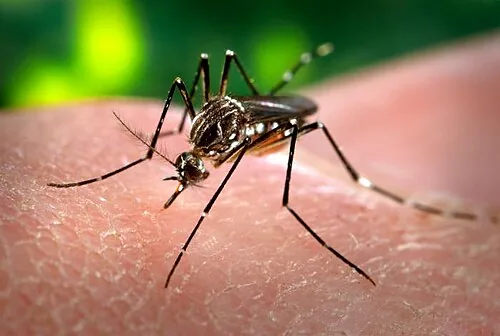
- Mosquitoes are slender flies with long legs. Females have a projecting, slender feeding proboscis; a tiny blurry fly image is insufficient to distinguish them from non-biting midges.
- Aquatic development
- Eggs lead to wriggling larvae and comma-shaped pupae in water before winged adults emerge. Finding these stages helps locate a source, but other aquatic larvae require identification.
Look more closely
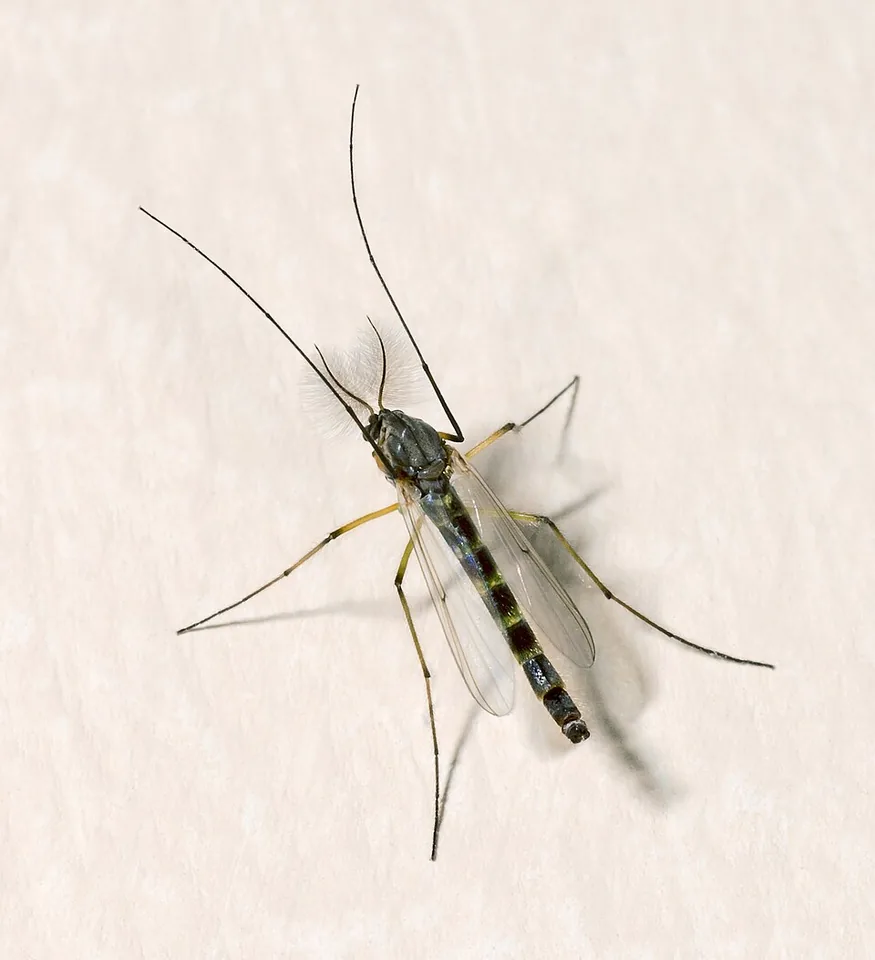
Compare the labeled examples and their limits. Images are independently enlarged, not shown at a common scale.
Identification limits & photo credit
A male with feathery antennae. Other midge species and females differ. This example helps distinguish a seasonal midge from mosquitoes, but no single image establishes the identity of every small swarming fly.
Male nonbiting midge. Photo: Didier Descouens. CC BY-SA 4.0. Original source · CC BY-SA 4.0 & details
Sources for this section
Differences that change the decision
A similar-looking organism can need a different response. Compare the evidence and what it changes.
Compare every column. On a narrow screen, scroll the table sideways.
| Type | What to check | What changes |
|---|---|---|
| Aedes aegypti and Aedes albopictus | These container-associated species can bite during the day. Some have conspicuous pale markings, but the pattern needs a clear view. | Inspect small containers, saucers and water-holding objects close to occupied areas; protection only at dusk leaves a gap. |
| Culex mosquitoes | Examples include C. pipiens, C. quinquefasciatus and C. tarsalis. Many are active around evening or night; habitat varies by species. | Check neglected standing water and drainage, and ask local vector control about larger or inaccessible sources. |
| Anopheles and other regional mosquitoes | Other genera can matter locally, including Anopheles malaria vectors and floodwater mosquitoes. | Travel and local alerts change the health decision. Do not infer safety from a household identification or a general US distribution list. |
Sources for this section
What else could it be?
Non-biting midges
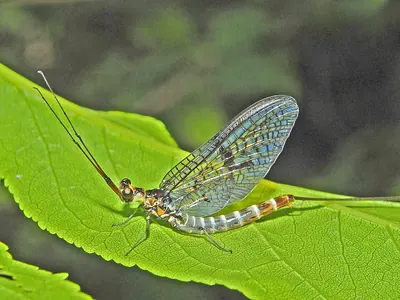
Often form swarms near water and lights, without the female mosquito's long piercing mouthparts.
Compare seasonal flyersCrane flies
Usually much larger and long-legged; the name mosquito hawk does not mean they are giant biting mosquitoes.
Fungus gnats
Small flies around damp potting mix require a plant-soil investigation, rather than assuming every indoor gnat is a mosquito.
Sources for this section
Inspect the right places
Walk the water circuit
Inspect buckets, plant saucers, toys, tarps, tires, birdbaths, gutters and rain barrels. Look inside the house at vases and saucers too. Record water that cannot be safely removed instead of entering a drain, roof or water body.
Check access and resting places
Repair window and door screens. Adults may rest in dark, humid areas such as under sinks or in laundry spaces, but killing a resting adult does not establish where it developed.
Sources for this section
Choose a proportionate response
For pesticides, the local product label determines the allowed pest, site, precautions and timing. Check safety and regional guidance.
Break the container cycle
Once a week, empty and scrub, turn over, cover or discard water-holding objects as appropriate. Keep essential stored water tightly covered or screened; prevent water collecting again after rain.
Use proven personal protection
Choose a locally authorized repellent and follow its age, application and reapplication directions. Wear loose long clothing and use suitable netting for infant carriers. Clothing-treatment products are not skin repellents.
Route persistent water to the right service
For water that cannot be drained or covered, ask local mosquito control about appropriate management. Any larvicide must be authorized for that exact water use and site. Never assume a product suitable for a rain barrel is suitable for drinking water or a natural wetland.
Take symptoms and travel seriously
Seek medical advice for illness after possible exposure, giving travel locations and dates. Severe neurological symptoms, difficulty breathing or collapse need urgent care. Identification of a mosquito cannot determine whether it carried a pathogen.
Avoid these mistakes
- Do not rely on indoor or garden spraying while breeding water remains; adults can return.
- Do not add household chemicals or oil to ponds, drains or public waterways.
- Do not assume a homemade or unregistered natural repellent provides reliable disease protection.
Check whether it is working
CDC recommends the container check weekly; repeat after changes that create new standing water. Editorial suggestion: log location, water removal and observed larvae or adult activity to guide the next inspection.
Previously occupied containers remain free of developing mosquitoes and biting pressure declines. Adults arriving from neighboring land can persist despite successful work on your property.
Get help when…
- Contact local mosquito or vector control for sewage, abandoned pools, inaccessible drainage, large water sources or unusually heavy activity.
- Follow public-health advice during a local outbreak or before travel; this guide is not a disease-risk forecast.
- Ask a veterinarian about locally appropriate heartworm and other mosquito-related protection for pets.
Sources for this section
Prevent a return
- Store containers so they cannot collect rain and keep gutter outlets functioning.
- Maintain tight screens and covered water storage; coordinate shared courtyards with the building manager.
- Keep personal bite protection available for both daytime and nighttime exposure.
Common questions
Can I tell whether a biting mosquito is infectious?
No. Appearance does not show whether it carries a pathogen. Protect against bites and follow current local health information.
Why are there mosquitoes after I emptied the birdbath?
Other containers or off-site water may remain, and existing adults can still be present. Expand the source inspection rather than repeatedly treating one object.
Sources & scope
References retain their geography and dates. A source-check date is not a claim of independent specialist review.
- Mosquitoes
University of California IPM. California biology and habitat guide; dated local distribution statements are not treated as a current map. Checked 2026-10-15.
- Mosquito Control at Home
US CDC. US household source reduction and control; product permissions remain site-specific. Checked 2026-10-15.
- Preventing Mosquito Bites
US CDC. US repellent and protective measures; consult local authorizations internationally. Checked 2026-10-15.
- About Mosquitoes in the United States
US CDC. US mosquito groups and the distinction between vector presence and infection. Checked 2026-10-15.
- Symptoms of West Nile
US CDC. Updated June 2026; clinical escalation examples, not a diagnosis from a mosquito or a skin mark. Checked 2026-10-15.
Individual medical or veterinary diagnosis, structural assessment, uncertain species identification and local treatment permissions require the appropriate professional. About our editorial process.
Keep investigating
Seasonal flyers
Many insects gathering at lights developed in nearby water or soil and are not breeding inside the house.
Ticks
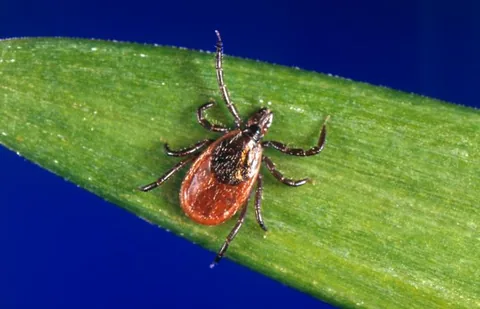
An attached tick needs prompt removal before identification work.
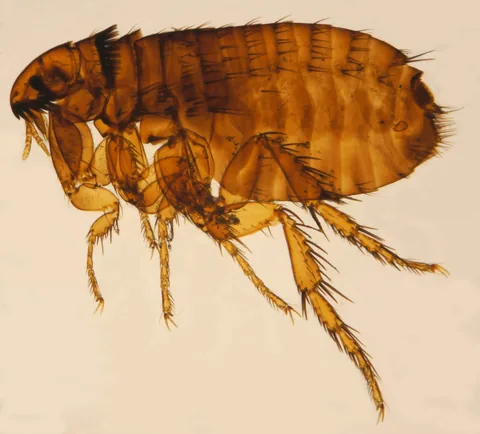
Fleas
Confirm a flea on an animal or in the environment, then coordinate veterinary care with cleaning where animals rest.