Bites & stings
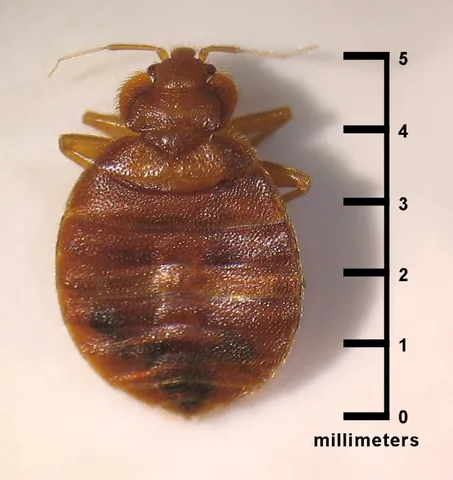
Bed Bugs
Start with a specimen or physical evidence near a sleeping place.
Cimex lectulariusPhoto credit
 PestGuidesA field guide for everyday lifeMy notebook
Find physical evidence, reduce exposure and know when to get help.
Start with a specimen or physical evidence near a sleeping place.
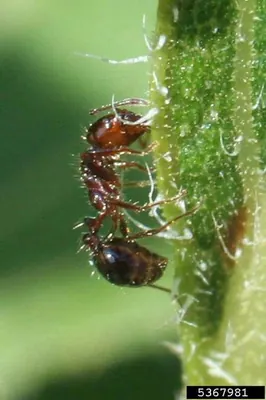
Keep people and pets away from a suspected fire-ant nest and arrange identification without disturbing it.
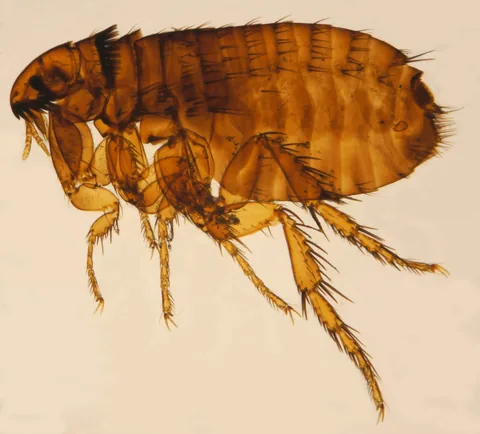
Confirm a flea on an animal or in the environment, then coordinate veterinary care with cleaning where animals rest.
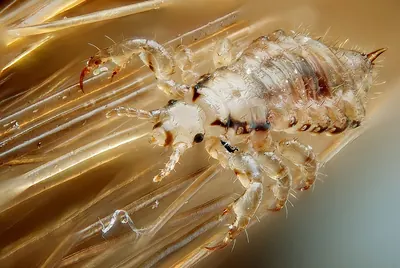
Head, body and pubic lice require different checks and responses.
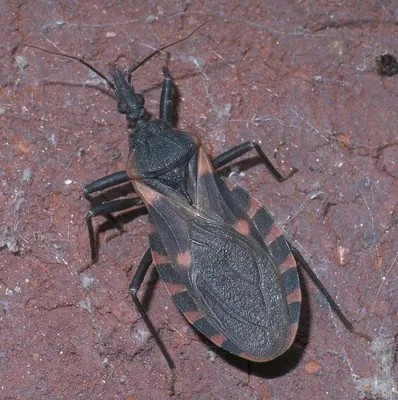
Photograph a suspected kissing bug and keep it safely contained if this can be done without contact.
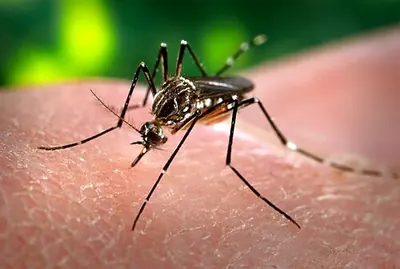
Start with water-holding containers and protection from bites.
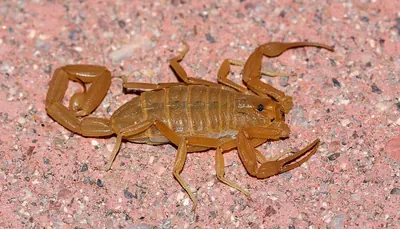
Keep your distance from an unidentified scorpion and check likely contact points such as shoes, bedding and stored materials.
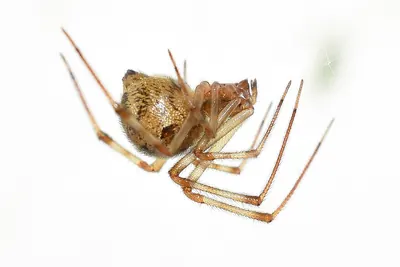
Most household and garden spiders are predators that can be left alone or moved out of the immediate activity area.
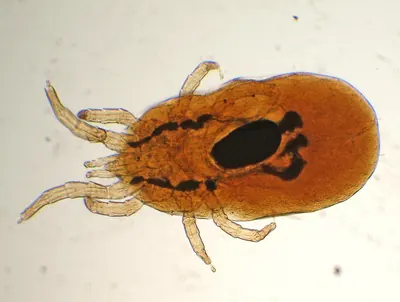
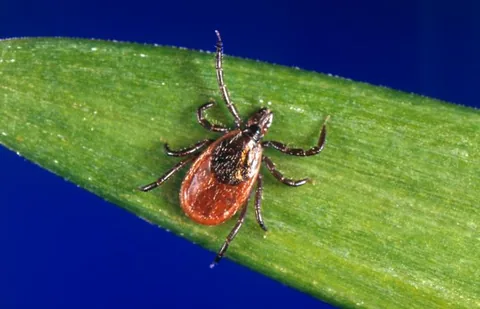
An attached tick needs prompt removal before identification work.
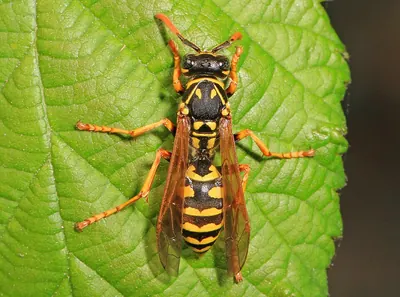
A foraging wasp, a solitary mud nest and a busy social colony need different responses.