
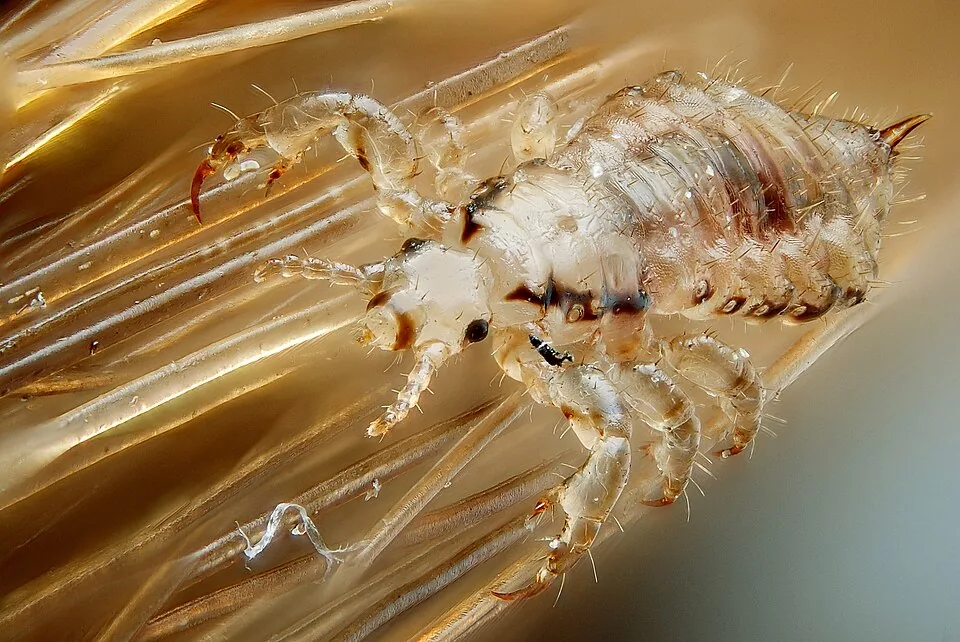
Treat confirmed head lice correctly
Use a locally authorized treatment suitable for the person's age and health, or the clinician's plan. Follow its exact application and retreatment instructions: products differ in whether they kill eggs. Check household and close contacts and coordinate treatment of those with confirmed active infestation.
Recognize the signs
- Crawling insects
- Human lice crawl; they do not jump or fly. Eggs hatch into nymphs, which resemble smaller adults. An itchy scalp alone has many possible explanations.
- Eggs versus debris
- Nits are attached to hair or, for body lice, clothing fibers. Dandruff and product residue can be mistaken for eggs. Old nits can remain after activity has stopped, so have uncertain findings checked.
Differences that change the decision
A similar-looking organism can need a different response. Compare the evidence and what it changes.
Compare every column. On a narrow screen, scroll the table sideways.
| Type | What to check | What changes |
|---|---|---|
| Head lice | Look for a live nymph or adult on the scalp or hair, especially near the ears and nape. | Check close hair-to-hair contacts and use a confirmed-diagnosis treatment plan; infestation is not evidence of poor hygiene. |
| Body lice | Lice and eggs primarily occur in clothing seams, with insects moving to skin to feed. | Access to bathing, clean clothing and laundry is central. In crowded or unstable housing, involve healthcare or support services rather than treating only the skin. |
| Pubic lice | Short, broad, crablike lice grip coarse hair; other body hair and occasionally eyelashes may be involved. | Seek appropriate healthcare or pharmacy guidance and evaluation of relevant close contacts. Eyelash involvement or a child with suspected pubic lice requires medical assessment. |
What else could it be?
Dandruff and hair casts
Loose flakes or material that moves along a hair can resemble nits. Confirm with careful examination before applying a pediculicide.
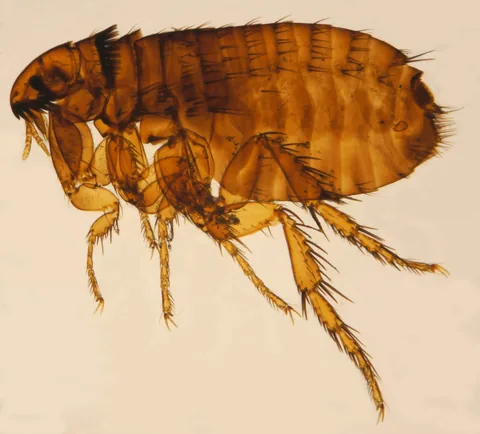
Fleas
Jumping insects associated with animal resting areas require a different host and environmental plan.
Compare fleas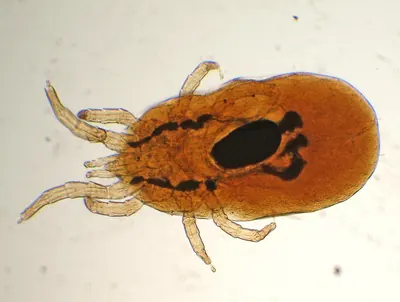
Scabies or another skin condition
A clinician must assess persistent itching without confirmed lice; household spraying will not resolve a medical diagnosis.
Compare mitesSources for this section
Inspect the right places
Make the examination deliberate
Use good light and a suitable lice comb, following the comb instructions. Save a clear specimen or image for a pharmacist or clinician when unsure. Avoid diagnosing every speck as a nit.
Match the site to the suspected kind
Check clothing seams for suspected body lice, rather than concentrating only on scalp hair. Keep an infestation discussion private and practical; arrange access to clean garments and washing facilities if needed.
Choose a proportionate response
For pesticides, the local product label determines the allowed pest, site, precautions and timing. Check safety and regional guidance.
Treat confirmed head lice correctly
Use a locally authorized treatment suitable for the person's age and health, or the clinician's plan. Follow its exact application and retreatment instructions: products differ in whether they kill eggs. Check household and close contacts and coordinate treatment of those with confirmed active infestation.
Address body-louse conditions
Provide regular bathing and freshly laundered clothing and bedding. Seek healthcare advice for persistent infestation or illness; body lice have different public-health significance from head lice.
Handle pubic lice with clinical guidance
Relevant sexual contacts need evaluation and treatment as advised; avoid sexual contact until treatment is successful. Discuss testing for other sexually transmitted infections. Do not apply ordinary lice products to the eyes or eyelashes.
Clean proportionately
Follow the treatment-specific advice for recently used clothing, bedding, combs and brushes. Routine environmental cleaning is sufficient for head lice; fumigating the building is unnecessary.
Avoid these mistakes
- Do not use household insecticides, agricultural products, kerosene or animal treatments on people.
- Do not combine lice medicines or repeat them early because itching continues; seek advice about diagnosis, application or resistance.
- Do not assume mayonnaise, oils or similar home remedies have established effectiveness.
- Do not exclude a child solely because old nits remain; follow local school and public-health guidance.
Sources for this section
Check whether it is working
Follow the particular product or clinician's checking and retreatment schedule. Record live lice separately from retained nits; itching can persist and is not a reliable count of surviving insects.
No live lice found on repeated appropriate checks, with contacts managed and no renewed exposure, supports improvement. An old egg case alone does not establish ongoing infestation.
Get help when…
- A clinician or pharmacist should review live lice after correctly completed treatment before another medicine is added.
- Fever or other illness with suspected body lice requires medical assessment.
- Eyelash involvement, very young children, pregnancy or significant skin irritation merits individualized professional advice.
Prevent a return
- Reduce head-to-head contact during active head-louse management and avoid sharing combs or hair accessories.
- For body lice, reliable access to bathing and clean clothing is a prevention measure, not a matter of blame.
- Discuss close-contact management privately; pets do not need treatment for human lice.
Common questions
Does having nits mean treatment is necessary?
Not automatically. Finding a live louse is the clearest evidence of active head lice. A trained examiner can distinguish viable near-scalp eggs from old cases and debris.
Should I spray mattresses and the whole home?
No. Use the recommended laundry and cleaning steps and treat the affected person correctly. Room fogging adds exposure without addressing the main route of head-louse spread.
Sources & scope
References retain their geography and dates. A source-check date is not a claim of independent specialist review.
- About Head Lice
US CDC. US head-louse biology, diagnosis and transmission; school policies vary. Checked 2026-10-15.
- About Body Lice
US CDC. US body-louse hygiene, clothing and disease distinctions. Checked 2026-10-15.
- About Pubic Lice
US CDC. US pubic-louse recognition and clinical/contact pathway. Checked 2026-10-15.
- Treatment of Head Lice
US CDC. US treatment principles. Current locally authorized product directions determine use. Checked 2026-10-15.
Individual medical or veterinary diagnosis, structural assessment, uncertain species identification and local treatment permissions require the appropriate professional. About our editorial process.
Keep investigating
Fleas
Confirm a flea on an animal or in the environment, then coordinate veterinary care with cleaning where animals rest.
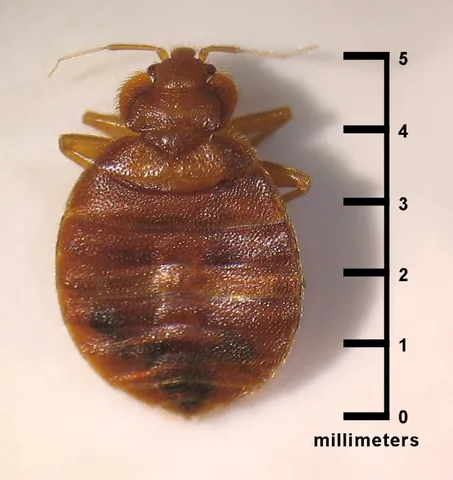
Bed Bugs
Start with a specimen or physical evidence near a sleeping place.