
For confirmed bird or rodent mites
Arrange lawful host-source management, then vacuum or wipe up wandering mites and clean the affected area. Seal relevant routes after the source is safely addressed. A veterinarian should advise on affected pet birds or other animals.
Sources for this section
University of Minnesota Extension · Utah State University Extension · US EPA · US CDC
Recognize the signs
- Very small animals
- Many mites require a microscope for identification. A dark moving point or a phone photograph may establish only that something is present. A laboratory can explain how to collect a useful sample.
- Life stages and sources
- Mites develop through egg, larval and later stages, but their hosts and feeding habits differ. A species-level result is useful only when it fits the observed source and exposure.
- Symptoms are not a specimen
- Similar irritation can result from several arthropods, skin disease or environmental factors. Record when and where symptoms occur without treating that pattern as proof of a particular mite.
Look more closely
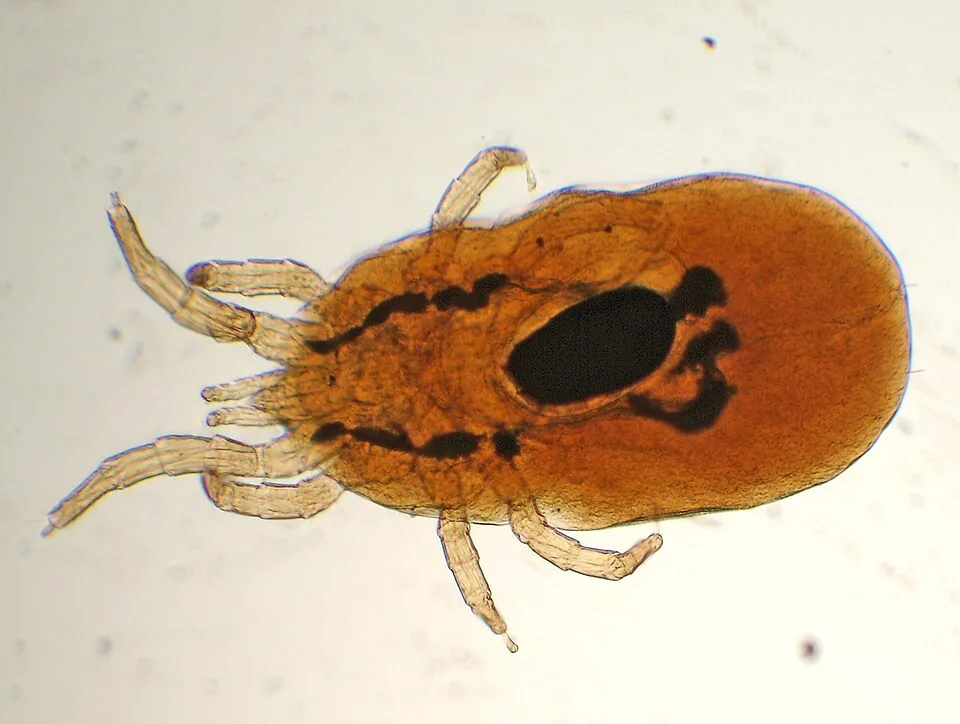
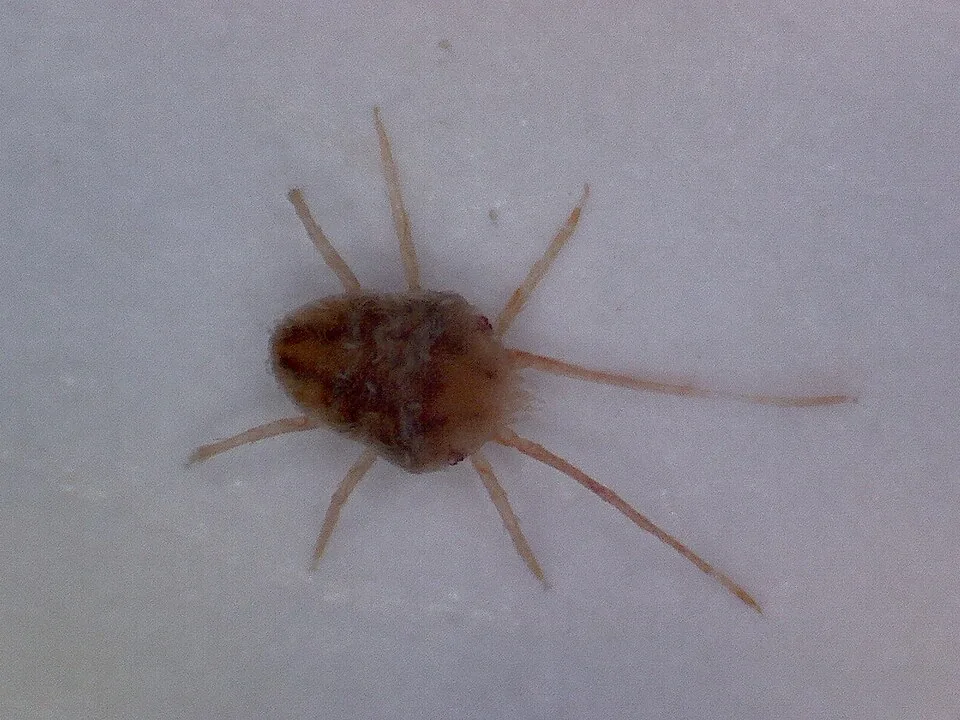
Compare the labeled examples and their limits. Images are independently enlarged, not shown at a common scale.
Identification limits & photo credit
A greatly magnified clover mite example. This plant-feeding mite must not be relabeled as a bird mite, rodent mite, scabies mite or cause of bites. Color alone does not identify a mite.
Clover mite under a digital microscope. Photo: PerAsperaAdInferos. CC BY-SA 4.0. Original source · CC BY-SA 4.0 & details
Sources for this section
Differences that change the decision
A similar-looking organism can need a different response. Compare the evidence and what it changes.
Compare every column. On a narrow screen, scroll the table sideways.
| Type | What to check | What changes |
|---|---|---|
| Bird mites | Chicken mites can shelter near nests; northern fowl mites spend much of their cycle on birds. Movement indoors may follow fledging or a host's death. | Inspect adjacent bird activity, poultry or pet-bird housing. The plan must address the verified bird source as well as wandering mites. |
| Rodent mites | Some blood-feeding mites leave a rodent source when hosts disappear; they may be hard to distinguish from bird mites. | Ask a pest professional to coordinate rodent-source work and mite management. Killing hosts without addressing the surrounding habitat can leave a secondary problem. |
| Chiggers | The biting stage is a tiny larva acquired around vegetation; later stages are free-living. Chiggers do not burrow into human skin. | Review recent outdoor exposure. Clothing, washing and appropriate repellent prevention are more relevant than treating the home for a presumed indoor colony. |
| Dust mites | These microscopic inhabitants of household dust contribute allergens rather than blood-feeding bites. | Discuss allergy symptoms with a clinician and focus on bedding, moisture and allergen reduction, not bite-oriented insecticide treatment. |
| Scabies | The human itch mite infests skin and spreads mainly through prolonged skin contact. | A clinician diagnoses and treats it, including coordinated contact management. A pest company cannot diagnose scabies from a room inspection. |
| Clover mites | Tiny reddish plant-feeding mites may enter buildings and leave red stains when crushed. | They do not bite people. Vacuum carefully and address entry and adjacent vegetation rather than treating skin. |
Sources for this section
University of Minnesota Extension · Utah State University Extension · Penn State Extension · US EPA · US CDC · Penn State Extension
What else could it be?
Booklice
These small insects have antennae and often occur with dampness or mold. They are not human lice.
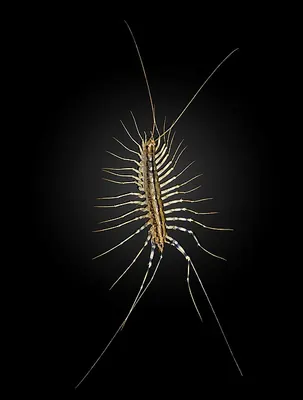
Springtails
Jumping specks in a damp room may be springtails, which do not bite.
Compare moisture-loving visitors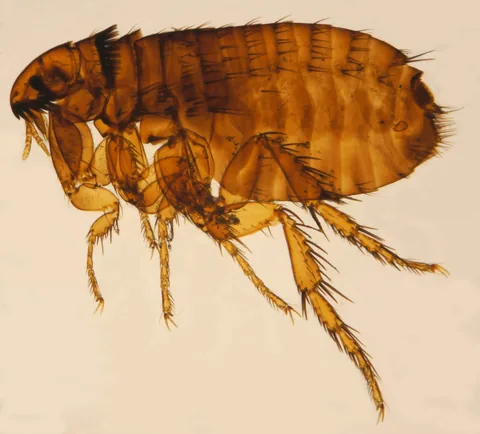
Fleas or ticks
An intact specimen can distinguish these from tiny mites. Fleas jump; ticks attach, but immature ticks can also be very small.
Compare fleasSources for this section
Inspect the right places
Connect the sample to a location
Collect actual moving organisms from the affected area using the diagnostic service's instructions. Note date, room, nearby nests, pets and recent rodent activity. Avoid submitting only lint, skin flakes or photographs of a rash.
Inspect without disturbing wildlife
From a safe position look for nests near windows, vents or roof spaces. Do not remove an occupied nest or close an entry until a qualified local service has checked occupancy and applicable wildlife protection.
Separate the clinical question
Persistent itch, spreading lesions or household symptoms merit a healthcare visit even if no arthropod is found. Bring the exposure log and identified sample; do not use repeated pesticide applications as a diagnostic experiment.
Sources for this section
University of Minnesota Extension · Utah State University Extension · Penn State Extension
Choose a proportionate response
For pesticides, the local product label determines the allowed pest, site, precautions and timing. Check safety and regional guidance.
For confirmed bird or rodent mites
Arrange lawful host-source management, then vacuum or wipe up wandering mites and clean the affected area. Seal relevant routes after the source is safely addressed. A veterinarian should advise on affected pet birds or other animals.
For dust-mite allergy management
Reduce indoor moisture, wash bedding routinely and consider allergen-resistant mattress and pillow covers. EPA suggests indoor relative humidity ideally around 30–50%; a moisture meter helps check the result. These measures support allergy management, not treatment of a skin infestation.
For suspected scabies
Seek medical care rather than buying household insecticide. Follow the prescribed treatment and simultaneous household/close-contact advice, including the specified laundry steps. Itching may continue after successful treatment; new lesions or persistent concerns need review.
After outdoor chigger exposure
Wash and change exposed clothing and seek pharmacy or clinical advice for troublesome skin symptoms. Use protective clothing and a locally authorized repellent for future exposure.
Sources for this section
University of Minnesota Extension · Utah State University Extension · US EPA · US CDC
Avoid these mistakes
- Do not apply household pesticides, bleach, fuel or veterinary medicines to skin.
- Do not assume one bird-mite photograph establishes the species or explains all symptoms.
- Do not use nail polish or other suffocation remedies for chiggers; the mite is not living underneath the skin.
- Do not remove protected wildlife or active nests based on a universal online rule.
Sources for this section
Check whether it is working
Editorial suggestion: date actual specimens and source changes, then review new findings with the diagnostic service. Follow clinical follow-up instructions for scabies or allergy rather than an environmental pest calendar.
For an animal-associated infestation, verified mites decline after the host source and access routes are addressed. For a medical condition, the clinician's assessment determines progress; lingering itch alone does not establish surviving mites.
Get help when…
- Seek medical assessment for persistent or worsening symptoms, infected skin, or suspected scabies.
- An inaccessible bird or rodent source needs a qualified pest or wildlife professional who can coordinate safe removal and exclusion.
- If repeated appropriate sampling finds no pest, revisit medical and environmental explanations instead of escalating pesticide use.
Sources for this section
University of Minnesota Extension · Penn State Extension · US CDC
Prevent a return
- Maintain lawful bird and rodent exclusion once occupied sources are resolved.
- Keep animal bedding and housing clean with veterinary guidance for parasites.
- Repair moisture problems and use bedding measures appropriate to diagnosed allergies.
Sources for this section
Common questions
Can bird mites establish a human infestation like scabies?
The bird mites described by UMN do not reproduce on human blood. Human symptoms still deserve care, but their management should include the bird source rather than a scabies-style self-treatment.
Does red dust on a windowsill mean biting mites?
No. Clover mites can stain red when crushed and do not bite. An identified specimen changes the response.
Sources for this section
University of Minnesota Extension · US CDC · Penn State Extension
Sources & scope
References retain their geography and dates. A source-check date is not a claim of independent specialist review.
- Bird Mites
University of Minnesota Extension. Minnesota household bird-mite identification and source management. Checked 2026-10-15.
- Bird Mites
Utah State University Extension. Utah source and host distinctions; wildlife permissions must be checked locally. Checked 2026-10-15.
- Is Something Biting Me?
Penn State Extension. Pennsylvania; older educational explanation of arthropods and alternative causes. Current clinical sources govern diagnosis and treatment. Checked 2026-10-15.
- Sources of Indoor Particulate Matter
US EPA. Indoor allergen, bedding and humidity guidance; not a skin-disease diagnostic source. Checked 2026-10-15.
- About Scabies
US CDC. US medical referral and contact-management guidance; individual care belongs to a clinician. Checked 2026-10-15.
- Clover Mites
Penn State Extension. Pennsylvania; updated January 2026; non-biting plant-associated visitor. Checked 2026-10-15.
Individual medical or veterinary diagnosis, structural assessment, uncertain species identification and local treatment permissions require the appropriate professional. About our editorial process.
Keep investigating
Fleas
Confirm a flea on an animal or in the environment, then coordinate veterinary care with cleaning where animals rest.
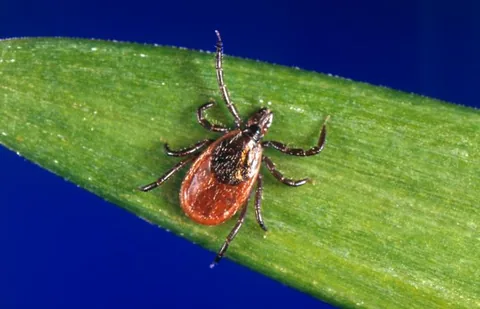
Ticks
An attached tick needs prompt removal before identification work.
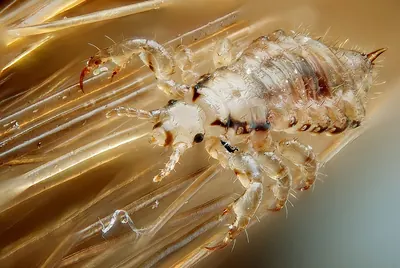
Lice
Head, body and pubic lice require different checks and responses.