Coordinate pet care
Ask the veterinarian which pets need which product. Follow the current species, age, weight and health restrictions. Never apply a dog product to a cat, split a large-animal dose or combine treatments without veterinary advice.
Recognize the signs
- Adult
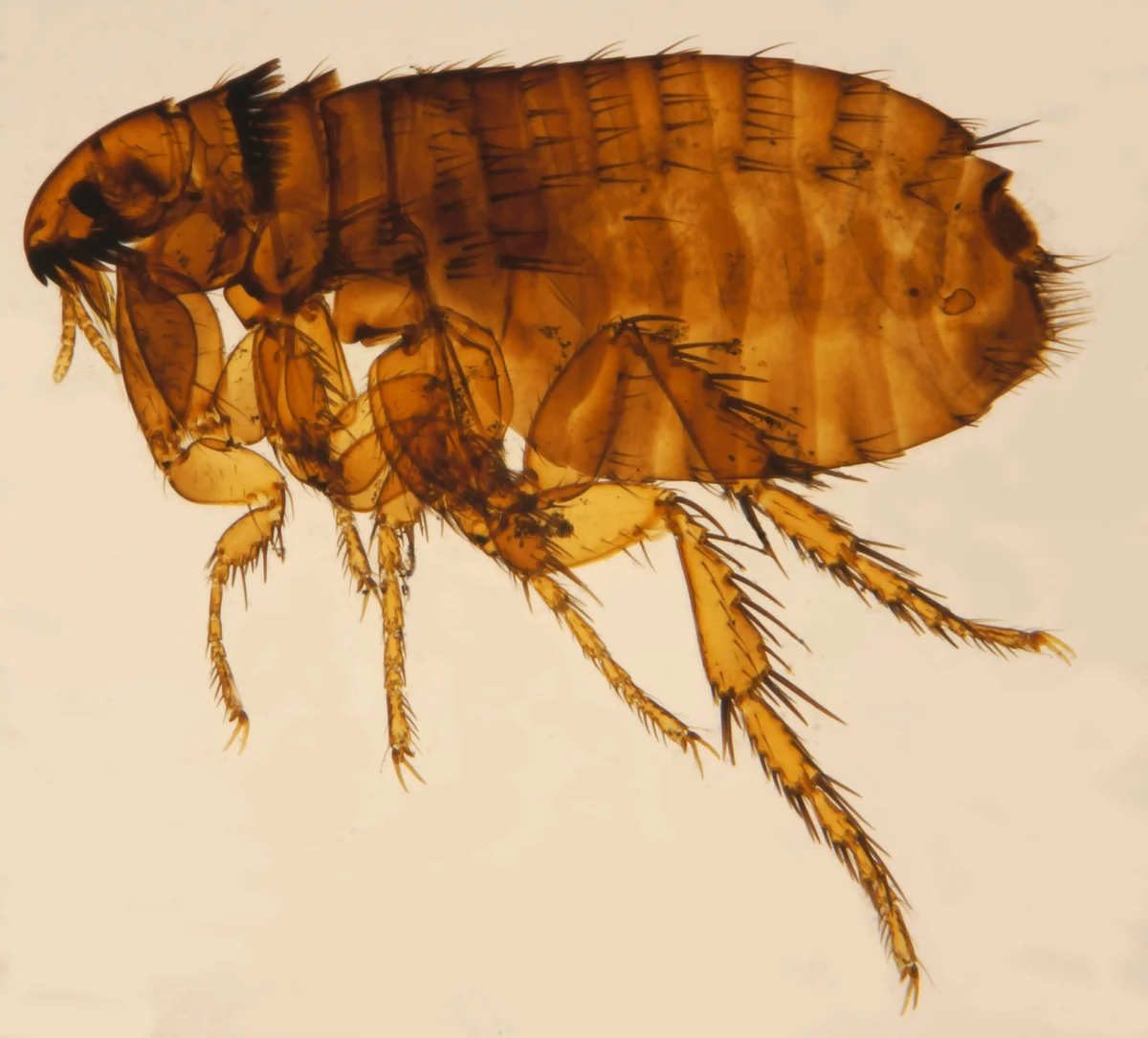
- A flea is a small, wingless insect, flattened from side to side, with strong jumping legs. A sharp side photograph is more useful than a picture of a skin mark.
- Hidden stages
- Eggs fall from the host into resting sites. Pale, wormlike larvae develop in sheltered debris; pupae sit inside protective cocoons. Newly emerging adults can appear after cleaning begins.
Sources for this section
Differences that change the decision
A similar-looking organism can need a different response. Compare the evidence and what it changes.
Compare every column. On a narrow screen, scroll the table sideways.
| Type | What to check | What changes |
|---|---|---|
| Cat flea | Ctenocephalides felis commonly feeds on both cats and dogs. | Include every household pet in the veterinary assessment, regardless of which animal was first seen scratching. |
| Dog flea | Ctenocephalides canis resembles the cat flea; the animal's name is not a species test. | Have a specimen identified if species matters. Do not choose a pet product from the flea's common name. |
Sources for this section
What else could it be?
Springtails
Also jump, but usually cluster in damp places and do not feed on blood. Confirm an insect rather than interpreting an itch.
Compare moisture-loving visitors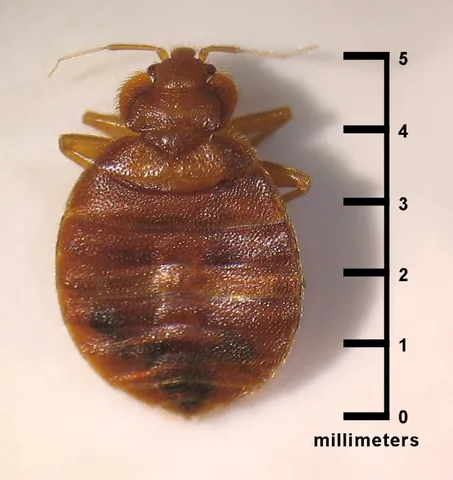
Bed bugs
Broad, flattened from top to bottom and unable to jump. Look for a specimen and sleeping-area evidence.
Compare bed bugs
Sources for this section
Inspect the right places
Check the host
Use a flea comb over a light surface and save an intact insect in a closed container. Ask the veterinarian to interpret dark material in the coat and any skin disease; scratching has other causes.
Map animal resting places
Record beds, rugs, upholstered seats, carpet edges and shaded outdoor resting spots. Include rooms used by a visiting or previous pet. In a home without pets, investigate possible wildlife access with an appropriate professional.
Sources for this section
Choose a proportionate response
For pesticides, the local product label determines the allowed pest, site, precautions and timing. Check safety and regional guidance.
Coordinate pet care
Ask the veterinarian which pets need which product. Follow the current species, age, weight and health restrictions. Never apply a dog product to a cat, split a large-animal dose or combine treatments without veterinary advice.
Clean the actual habitat
Launder washable bedding and rugs according to fabric instructions; vacuum carpet edges, under furniture and upholstery seams. Contain and discard collected debris. Begin environmental work alongside the pet plan, and keep cleaning during follow-up.
Use targeted help when needed
For established activity, ask a qualified pest professional to identify the source and explain any environmental treatment. Retreatment follows the particular label and veterinary plan; a general website interval cannot override them.
Avoid these mistakes
- Do not use room insecticides on an animal or pet medicines on household surfaces.
- Do not spray every lawn surface because a flea was found indoors. Identify shaded animal resting sites and continuing hosts first.
- Do not treat a persistent itch as proof that the product failed; seek medical or veterinary assessment and collect new insect evidence.
Check whether it is working
Editorial tracking suggestion: record comb findings and room observations during routine cleaning, and review the trend weekly. Keep the prescribed pet-care and product schedule separate from that observation log.
Fewer confirmed fleas on pets and in the same sampled locations, with no new concentration of activity, indicates improvement. Protected life stages make one quiet day insufficient to declare clearance.
Get help when…
- Contact a veterinarian promptly for illness, severe skin injury or a suspected treatment reaction; retain the product package.
- Seek medical advice for concerning symptoms after possible flea exposure, mentioning animal and travel history.
- Persistent activity despite coordinated care warrants a source and treatment review, including wildlife or shared-building access.
Sources for this section
Prevent a return
- Keep washable pet bedding and a regular cleaning routine at the places animals actually use.
- Discuss ongoing prevention with the veterinarian for local exposure and the particular animal.
- Remove accessible animal food and repair wildlife entry only after checking that animals and dependent young will not be trapped.
Common questions
Can a home without pets have fleas?
Yes. A previous animal, visiting pet or wildlife source can explain activity. That is a reason to inspect the history and building, not to assume the person is the breeding host.
Should I immediately reapply when another flea appears?
No. Record the finding and consult the treatment plan. Delayed adult emergence is possible; applying more or sooner than allowed can harm animals and people.
Sources for this section
Sources & scope
References retain their geography and dates. A source-check date is not a claim of independent specialist review.
- Fleas
University of California IPM. California; biological and habitat guidance. The 2010 product discussion is not used as a current product recommendation. Checked 2026-10-15.
- Getting Rid of Fleas
US CDC. United States; coordinated cleaning, pet and environmental management. Product-specific labels determine application intervals. Checked 2026-10-15.
- Controlling Fleas and Ticks on Your Pet
US EPA. US pet-product safeguards; updated June 2026. Local registration and veterinary advice apply elsewhere. Checked 2026-10-15.
- Springtails
University of Minnesota Extension. Minnesota; non-biting moisture-associated lookalike. Checked 2026-10-15.
- About Ticks
US CDC. United States; tick locomotion and stages. Checked 2026-10-15.
- About Fleas
US CDC. US flea groups, animal hosts and disease context; symptoms require clinical assessment. Checked 2026-10-15.
Individual medical or veterinary diagnosis, structural assessment, uncertain species identification and local treatment permissions require the appropriate professional. About our editorial process.
Keep investigating
Ticks
An attached tick needs prompt removal before identification work.
Bed Bugs
Start with a specimen or physical evidence near a sleeping place.