
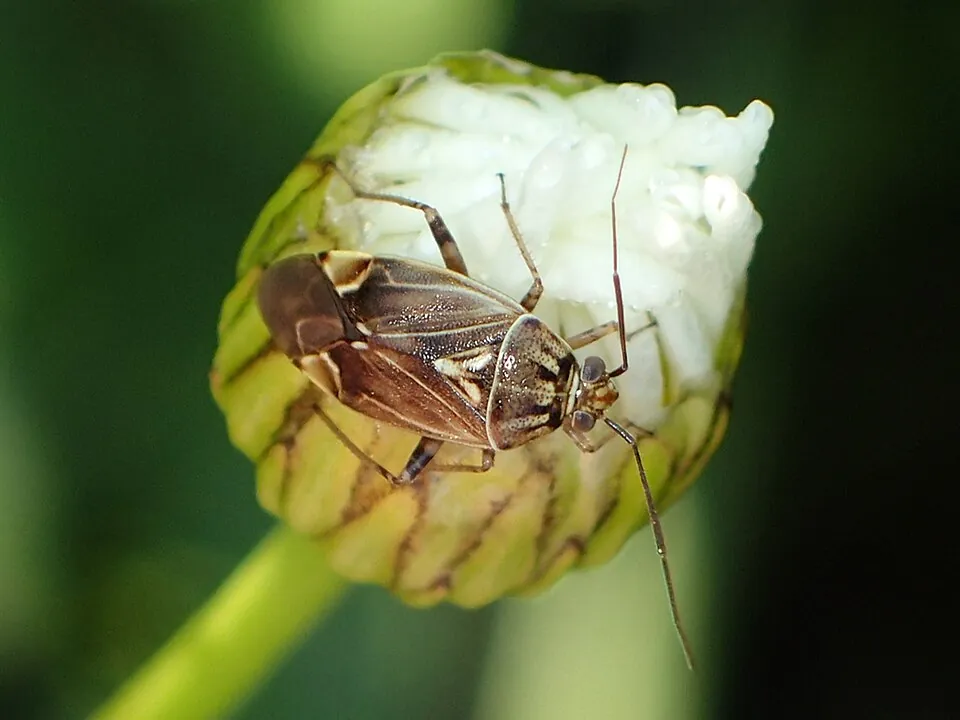
Use a plant-specific threshold
Tolerate limited damage on vigorous ornamentals. Young vegetables, edible fruit and confirmed vectors have different consequences.
Recognize the signs
- Feeding injury
- Stippling, distorted growth, fruit dimples or honeydew direct inspection but overlap with mites, disease and weather damage.
- Useful evidence
- Photograph the whole insect, legs, wings and plant. Nymphs can look unlike adults; host identity is especially useful for psyllids.
Sources for this section
Differences that change the decision
A similar-looking organism can need a different response. Compare the evidence and what it changes.
Compare every column. On a narrow screen, scroll the table sideways.
| Type | What to check | What changes |
|---|---|---|
| Stink bugs | Many adults are shield-shaped; some species are predators. | Identify before removing. Fruit injury can become obvious after the bug has left; old damage does not justify spraying. |
| Leaffooted bugs | Adults have expanded hind legs; young red or orange nymphs lack the full adult shape. | Check fruit and egg strands. Small blemishes are often tolerable; confirm nymphs against beneficial assassin bugs. |
| Squash bugs | Adults and nymphs feed on cucurbits; eggs occur on leaves and insects shelter beneath foliage or fruit. | Check squash and pumpkin early and remove identified egg clusters or insects; wilt alone is not enough. |
| Leafhoppers and sharpshooters | Wedge-shaped insects that jump or move sideways; magnification reveals hind-leg spines. | Many need no control. Species that transmit plant pathogens require host- and region-specific diagnosis. |
| Psyllids and lerp-forming species | Jumping adults, flat nymphs, wax covers or host-specific leaf pits. | Most landscape infestations are tolerable. Suspected Asian citrus psyllid on citrus needs local plant-health advice because it can transmit citrus greening. |
| Lace bugs | Lacy-winged adults, spiny nymphs and dark varnishlike specks beneath stippled leaves support lace bugs; inspect the actual insect with magnification. | Confirm the host and underside evidence against mites and thrips. Limited cosmetic damage is often tolerable; preserve predators and compare new growth rather than trying to restore old stippling. |
| Lygus and tarnished plant bugs | Adults have a contrasting triangle on the back; active green nymphs can resemble aphids or beneficial bugs. Bud or fruit distortion may appear after the insect has left. | Photograph actual feeding insects and compare with beneficial bigeyed bugs before blaming an old scar. Where recurring vegetable damage is confirmed, fine-mesh exclusion can help; UC IPM recommends no insecticide for this garden/landscape problem. |
What else could it be?
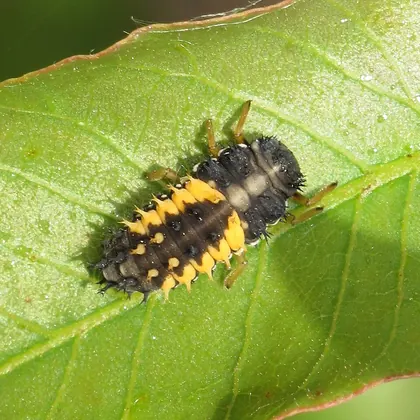
Predatory bugs
Assassin bugs, minute pirate bugs and some stink bugs eat other insects; appearance alone may be misleading.
Compare beneficial insects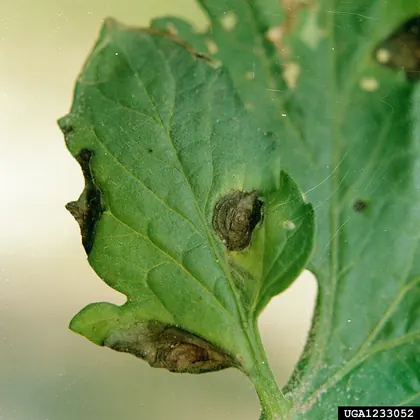
Mites, thrips or root stress
Similar injury can come from very different causes.
Compare plant disease & stressSources for this section
UC Statewide IPM Program · Virginia Cooperative Extension · UC Statewide IPM Program
Inspect the right places
Link insect to injury
Inspect both leaf surfaces, young shoots and fruit. Compare a damaged plant with an undamaged one and look for fresh feeding, eggs and nymphs.
Record host and location
For unusual psyllids or suspected vectors, record the plant name and exact location, and photograph before moving any plant material.
Sources for this section
UC Statewide IPM Program · UC Statewide IPM Program · UC Statewide IPM Program · Virginia Cooperative Extension
Choose a proportionate response
For pesticides, the local product label determines the allowed pest, site, precautions and timing. Check safety and regional guidance.
Use a plant-specific threshold
Tolerate limited damage on vigorous ornamentals. Young vegetables, edible fruit and confirmed vectors have different consequences.
Remove a small confirmed colony
Hand-remove reachable pest bugs or eggs without disturbing unidentified predators. Protect vulnerable crops with appropriate exclusion before insects enter; provide pollinator access when needed.
Route suspected vectors correctly
Seek local extension or plant-health guidance for unexplained disease or unusual citrus pests. Pesticide use does not reliably prevent every insect-transmitted disease.
Manage a confirmed lace-bug colony proportionately
For a small suitable shrub, water directed at leaf undersides can reduce exposed young lace bugs. Improve site-appropriate care and preserve predators. Where injury is recurrent, use local species timing to inspect young stages before new damage expands; old stippled leaves will not be repaired by pesticide.
Avoid these mistakes
- Do not spray for old fruit scars when no pest is present.
- Do not treat every red nymph or shield-shaped insect as harmful.
- Do not move suspect infested citrus or other regulated host material to get it identified without instructions.
Sources for this section
Check whether it is working
Suggested practice: compare new foliage and fruit at least weekly, more often on seedlings or where feeding is advancing; suspected regulated pests should be reported promptly.
No expanding injury on new growth, fewer live damaging stages and continued beneficial activity.
Get help when…
- Rapid wilt, distorted growth or a suspected disease vector: plant clinic or local plant-health authority.
- Significant fruit loss despite confirmed physical removal: local crop-specific IPM advice.
Sources for this section
Prevent a return
- Inspect new plants and protect susceptible seedlings where practical.
- Avoid excessive soft growth and preserve predators; follow local rules for moving plant material.
Sources for this section
Common questions
Can I identify a bug by the bite mark on a tomato?
No. Several bugs, caterpillars and non-insect problems damage fruit. Inspect for a specimen and fresh signs.
Should all leafhoppers be killed to stop disease?
No. Many are minor visitors, and sprays may not prevent transmission before the insect dies. Diagnose the host problem and identify the relevant vector.
Sources for this section
Sources & scope
References retain their geography and dates. A source-check date is not a claim of independent specialist review.
- Stink Bugs
UC Statewide IPM Program. California, United States; biology may transfer, management timing and permitted products require local verification; source check, not expert review Checked 2026-10-15.
- Leaffooted Bug
UC Statewide IPM Program. California, United States; biology may transfer, management timing and permitted products require local verification; source date 2014-05; source check, not expert review Checked 2026-10-15.
- Squash Bugs
UC Statewide IPM Program. California, United States; biology may transfer, management timing and permitted products require local verification; source check, not expert review Checked 2026-10-15.
- Leafhoppers
UC Statewide IPM Program. California, United States; biology may transfer, management timing and permitted products require local verification; source check, not expert review Checked 2026-10-15.
- Psyllids
UC Statewide IPM Program. California, United States; biology may transfer, management timing and permitted products require local verification; source date 2014-04; source check, not expert review Checked 2026-10-15.
- Diagnosing Plant Problems
Virginia Cooperative Extension. Virginia, United States; general diagnostic method; source date 2023-11 review; source check, not expert review Checked 2026-10-15.
- Biological Control and Natural Enemies of Invertebrates
UC Statewide IPM Program. California, United States; biology may transfer, management timing and permitted products require local verification; source check, not expert review Checked 2026-10-15.
- Lace Bugs
University of California Statewide IPM Program. UC IPM California; species, host and local season matter Checked 2026-10-18.
- Lygus Bugs
University of California Statewide IPM Program. UC IPM California gardens and landscape, not commercial field thresholds Checked 2026-10-18.
Individual medical or veterinary diagnosis, structural assessment, uncertain species identification and local treatment permissions require the appropriate professional. About our editorial process.
Keep investigating
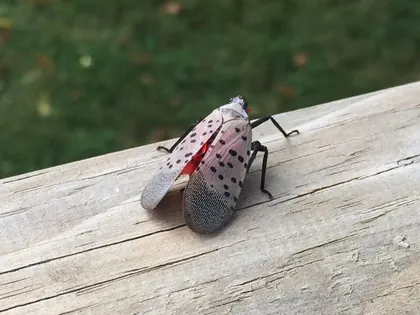
Suspected invasive pests
Photograph, record the location and pause movement of suspect plants, wood or equipment.
Beneficial Insects
Before removing an insect, check what it is eating and which life stage you are seeing.
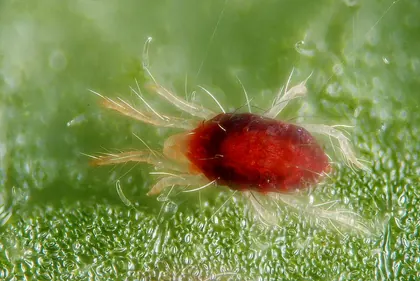
Spider Mites
Use a lens to connect leaf stippling with live mites.