Garden
Aphids
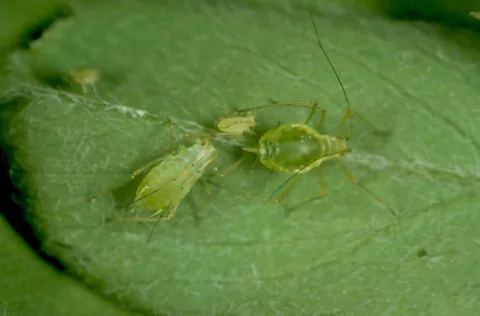
Look for live colonies on tender growth before treating curled leaves.
Acyrthosiphon pisumPhoto credit
 PestGuidesA field guide for everyday lifeMy notebook
Start with the host and the damage. Keep useful insects in the picture.
Look for live colonies on tender growth before treating curled leaves.
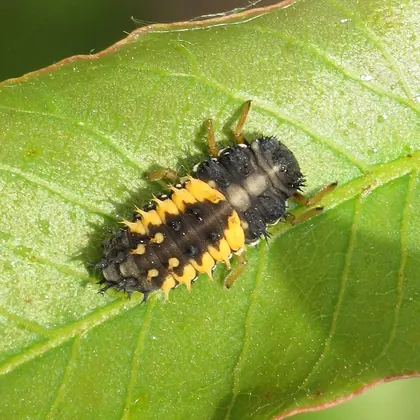
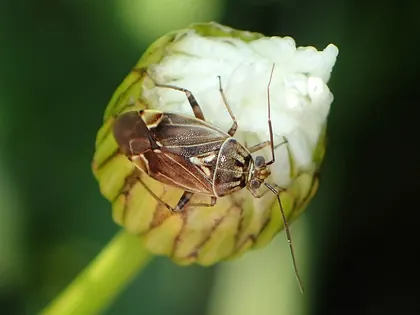
Before removing an insect, check what it is eating and which life stage you are seeing.
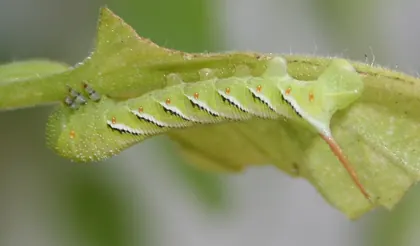
Find the larva, its waste and its feeding site before acting on holes.
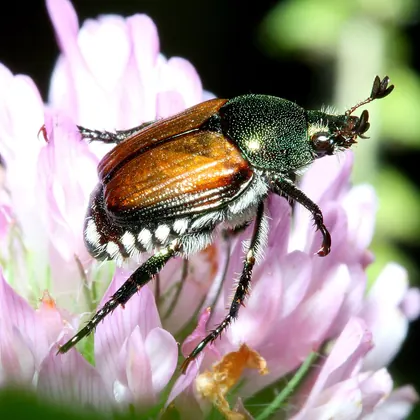
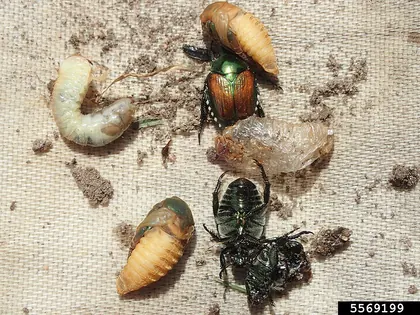
Identify the beetle and its host before removing it.
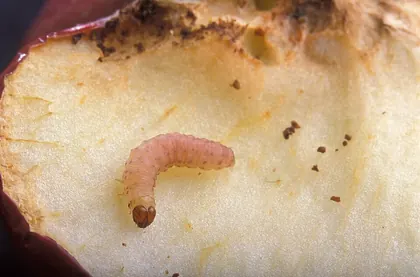
The host, ripeness and pattern inside a cut fruit matter more than the word worm.
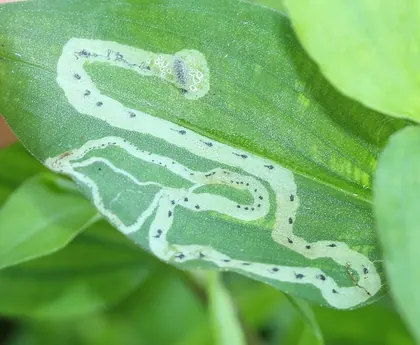
A pale trail or blotch between leaf surfaces suggests a miner, but old mines can be empty.
Start with the host and the insect, not a pale spot or wilted leaf.
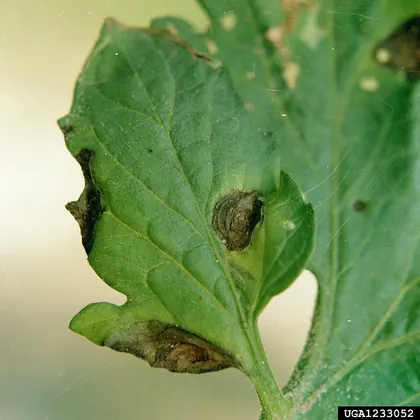
Start with the plant, the pattern and its growing conditions.
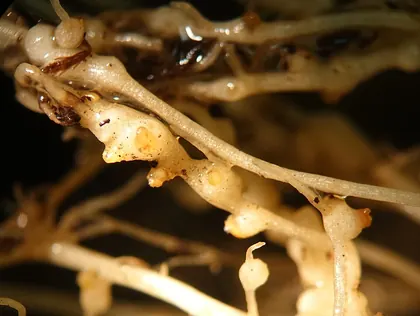
Stunted or wilting plants do not establish nematodes.
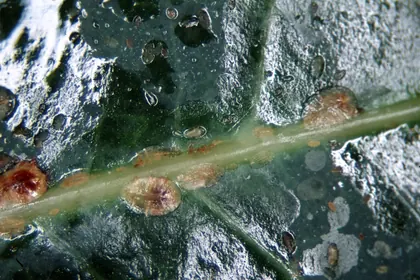
Separate armoured scale, soft scale and mealybugs before choosing an action.
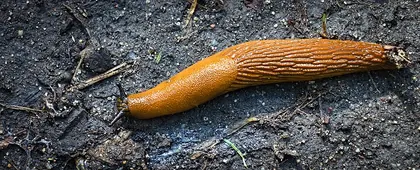
Inspect after dark for the animal or fresh slime near chewed plants.
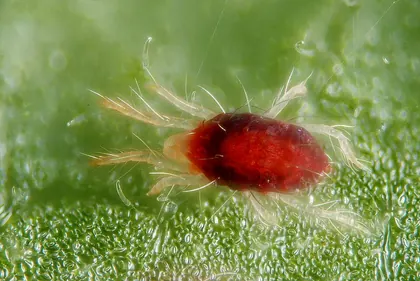
Use a lens to connect leaf stippling with live mites.
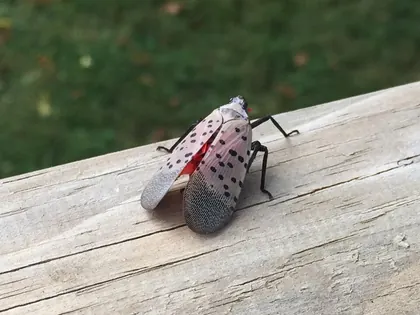
Photograph, record the location and pause movement of suspect plants, wood or equipment.
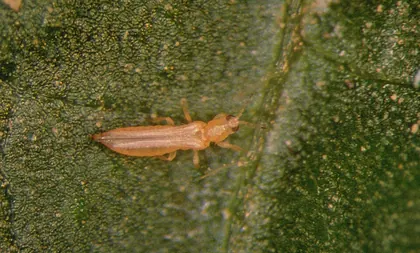
Confirm slender insects alongside fresh scarring before treating.
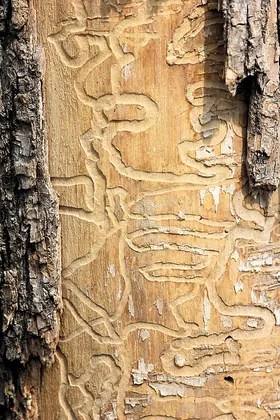
Identify the tree and document fresh boring evidence.
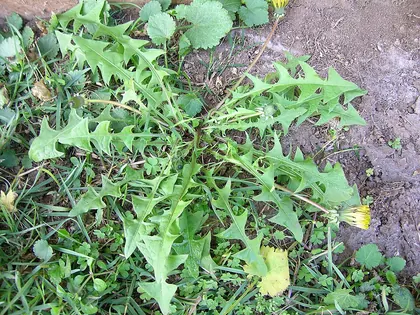
Identify the plant and whether it returns from seed, roots or tubers.
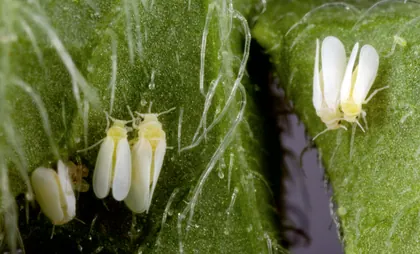
A cloud of tiny white adults is a clue; inspect leaf undersides for their immature stages.