Remove reachable pests
Hand-collect identified leaf-feeding adults or larvae and remove egg clusters in a small garden. Recheck because flying adults can arrive.
Sources for this section
University of Minnesota Extension · University of Maryland Extension · University of Minnesota Extension · University of Minnesota Extension
Recognize the signs
- Feeding pattern
- Shot holes, skeletonised leaves or notched edges narrow the search; a live insect and host are needed to confirm the cause.
- Life stages
- A grub in soil is not automatically the cause of damage above ground. Adult and larval feeding can affect different plant parts.
Look more closely
Compare the labeled examples and their limits. Images are independently enlarged, not shown at a common scale.
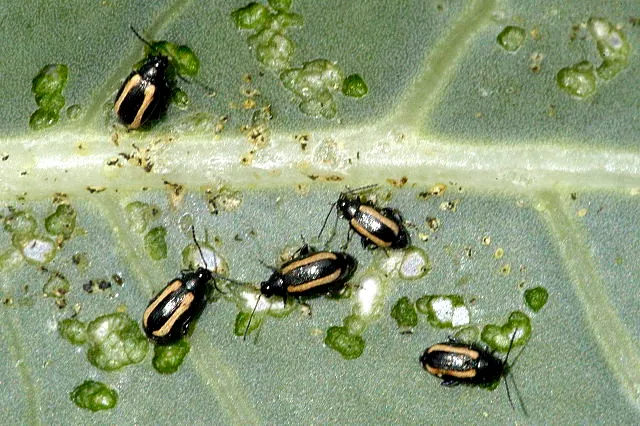
Small jumping beetles with shot-hole feeding are a different inspection route from a large hornworm.
Identification limits & photo credit
Source identifies Phyllotreta vittula, photographed in Belgium. Other flea beetles differ, and the unnamed leaf is not evidence of the host range of every flea beetle. Holes alone cannot identify the cause.
Striped flea beetles beside feeding holes. Photo: James K. Lindsey. CC BY-SA 2.5. Original source · CC BY-SA 2.5 & details
Identification limits & photo credit
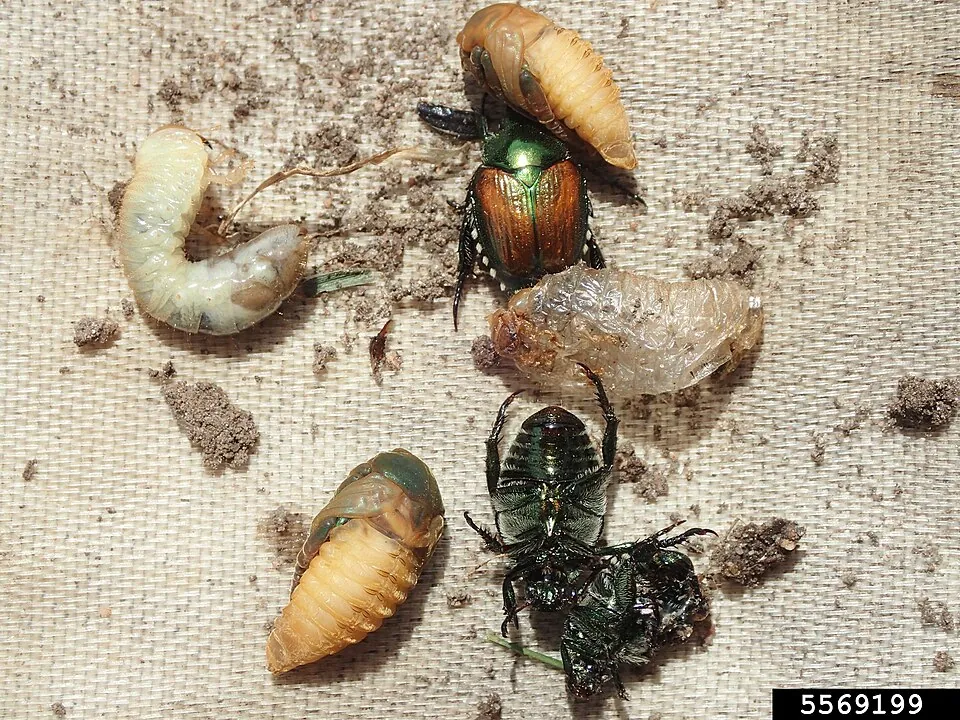
A staged comparison of one beetle species; the C-shaped white larva is at upper left. Other grubs and decomposers differ. Correct grub identification and root-zone sampling matter before deciding to treat a lawn.
Japanese beetle larva, pupae and newly emerged adults. Photo: Whitney Cranshaw, Colorado State University, Bugwood.org. CC BY 3.0 US. Original source · CC BY 3.0 US & details
Sources for this section
University of Minnesota Extension · University of Maryland Extension
Differences that change the decision
A similar-looking organism can need a different response. Compare the evidence and what it changes.
Compare every column. On a narrow screen, scroll the table sideways.
| Type | What to check | What changes |
|---|---|---|
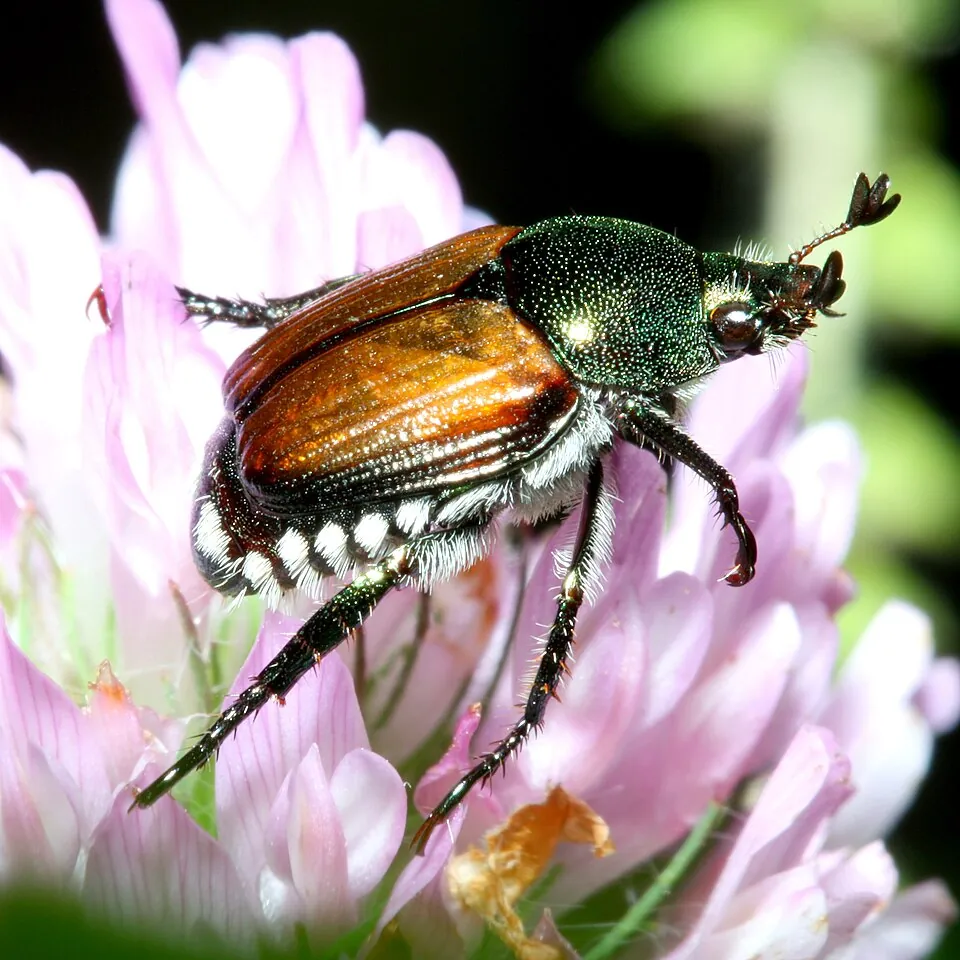
| Japanese beetles | Metallic adults with coppery wing covers and distinctive white hair tufts skeletonise leaves. | Hand removal can help small plantings. Adult arrivals may continue even if local lawn grubs were treated. |
| Flea beetles | Small beetles jump when disturbed and commonly make shot holes. | Protect seedlings early; established plants may tolerate more injury. |
| Colorado potato beetles | Adults have ten dark stripes; plump red-to-pink larvae have paired rows of dark side spots on potato-family crops. | Inspect undersides for orange eggs and remove early stages. Resistance makes repeated product switching without advice unreliable. |
| Striped and spotted cucumber beetles | Striped forms have three dark stripes; spotted forms commonly have twelve spots. They feed on cucurbits. | Seedlings are vulnerable; striped cucumber beetles can transmit bacterial wilt to susceptible cucumbers and melons. |
| Black vine and other root weevils | Adults make marginal notches; root-feeding larvae can cause much more serious decline. | Inspect roots and host context rather than treating only foliage. Obtain identification before choosing a root-stage treatment. |
What else could it be?
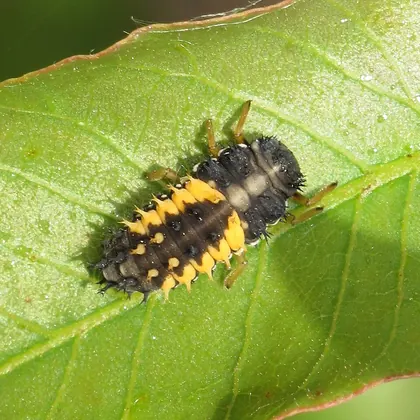
Ladybirds and ground beetles
Many are predators and belong in the garden; larvae can look very different from adults.
Compare beneficial insects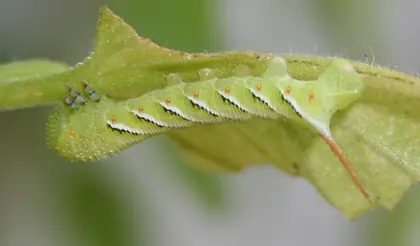
Sources for this section
Inspect the right places
Search the right place and time
Inspect leaf undersides for eggs and larvae; look near fresh feeding and around the base of a declining plant. Record adult and larval findings separately.
Assess the plant's stage
A few holes on a large plant differ from lost leaves on a seedling. For potatoes, growth stage affects how much defoliation can be tolerated.
Sources for this section
University of Minnesota Extension · University of Minnesota Extension
Choose a proportionate response
For pesticides, the local product label determines the allowed pest, site, precautions and timing. Check safety and regional guidance.
Remove reachable pests
Hand-collect identified leaf-feeding adults or larvae and remove egg clusters in a small garden. Recheck because flying adults can arrive.
Use exclusion at the right stage
Cover vulnerable seedlings before beetles enter. Remove or manage covers when flowers need pollinators and prevent overheating; covering last year's infested bed may trap emerging pests.
Resolve persistent losses locally
Ask for crop-specific IPM advice before chemical treatment. Confirm the species, susceptible stage and a current local edible-crop label.
Sources for this section
University of Minnesota Extension · University of Maryland Extension · University of Minnesota Extension · University of Minnesota Extension
Avoid these mistakes
- Do not place Japanese beetle lure traps beside plants you want to protect; they can attract more beetles than they capture.
- Do not assume lawn grub control prevents adult beetles flying into the garden.
- Do not leave pollinator-dependent crops permanently sealed under row covers.
Sources for this section
University of Minnesota Extension · University of Minnesota Extension · University of Maryland Extension
Check whether it is working
UMN recommends daily handpicking during Japanese beetle activity and checking every few days once cucumber beetles appear. Suggested practice for other groups: repeat the same plant inspection during fresh damage, using local crop guidance.
Fewer feeding stages and stable new foliage or fruit; cosmetic holes will not disappear.
Get help when…
- Rapid seedling loss, persistent wilt or root damage: local extension or plant clinic.
- A suspected beetle outside its known local range: plant-health authority before moving specimens.
Sources for this section
University of Minnesota Extension · University of Minnesota Extension · University of Minnesota Extension
Prevent a return
- Inspect transplants and use clean growing material.
- Rotate susceptible crops where practical, remove relevant crop residues and retain beneficial insects.
Sources for this section
University of Maryland Extension · University of Minnesota Extension · UC Statewide IPM Program
Common questions
Will treating every grub stop beetles on my roses?
No. Adult beetles can fly from other sites; identify root damage before treating soil.
Can I identify a potato pest from black stripes alone?
No. Several striped beetles occur. Combine stripe pattern, body shape, larvae and the host plant.
Sources for this section
University of Minnesota Extension · University of Maryland Extension
Sources & scope
References retain their geography and dates. A source-check date is not a claim of independent specialist review.
- Japanese beetles
University of Minnesota Extension. Minnesota, United States; source check, not expert review Checked 2026-10-15.
- Flea Beetles on Vegetables
University of Maryland Extension. Maryland, United States; source date 2023-02-20; source check, not expert review Checked 2026-10-15.
- Colorado potato beetle
University of Minnesota Extension. Minnesota, United States; season dates and field thresholds are not universal; source date reviewed 2026; source check, not expert review Checked 2026-10-15.
- Cucumber beetles
University of Minnesota Extension. Minnesota, United States; season dates and field thresholds are not universal; source date reviewed 2026; source check, not expert review Checked 2026-10-15.
- Euonymus: Leaves with notched edges
University of Minnesota Extension. Minnesota diagnostic reference; root-weevil identification clues, not universal treatment advice; source check, not expert review Checked 2026-10-15.
- Biological Control and Natural Enemies of Invertebrates
UC Statewide IPM Program. California, United States; biology may transfer, management timing and permitted products require local verification; source check, not expert review Checked 2026-10-15.
- White Grubs in Lawn and Garden Soil
University of Maryland Extension. Maryland, United States; source date 2026-03-16; source check, not expert review Checked 2026-10-15.
Individual medical or veterinary diagnosis, structural assessment, uncertain species identification and local treatment permissions require the appropriate professional. About our editorial process.
Keep investigating
Caterpillars
Find the larva, its waste and its feeding site before acting on holes.
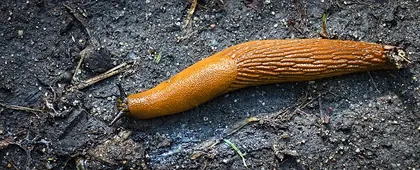
Slugs & snails
Inspect after dark for the animal or fresh slime near chewed plants.