
Correct the actual stress
Repair irrigation problems and adjust mowing, thatch or compaction management for the grass and season. Do not add fertilizer automatically to brown turf.
Recognize the signs
- Root damage
- Turf may lift easily where roots have been eaten, but drought or disease can also weaken grass. Find and identify the organism.
- Above-ground damage
- Chewed blades differ from sucking injury, yet brown patch shape alone is not diagnostic. Adult moths or beetles nearby do not prove larval damage.
Sources for this section
Differences that change the decision
A similar-looking organism can need a different response. Compare the evidence and what it changes.
Compare every column. On a narrow screen, scroll the table sideways.
| Type | What to check | What changes |
|---|---|---|
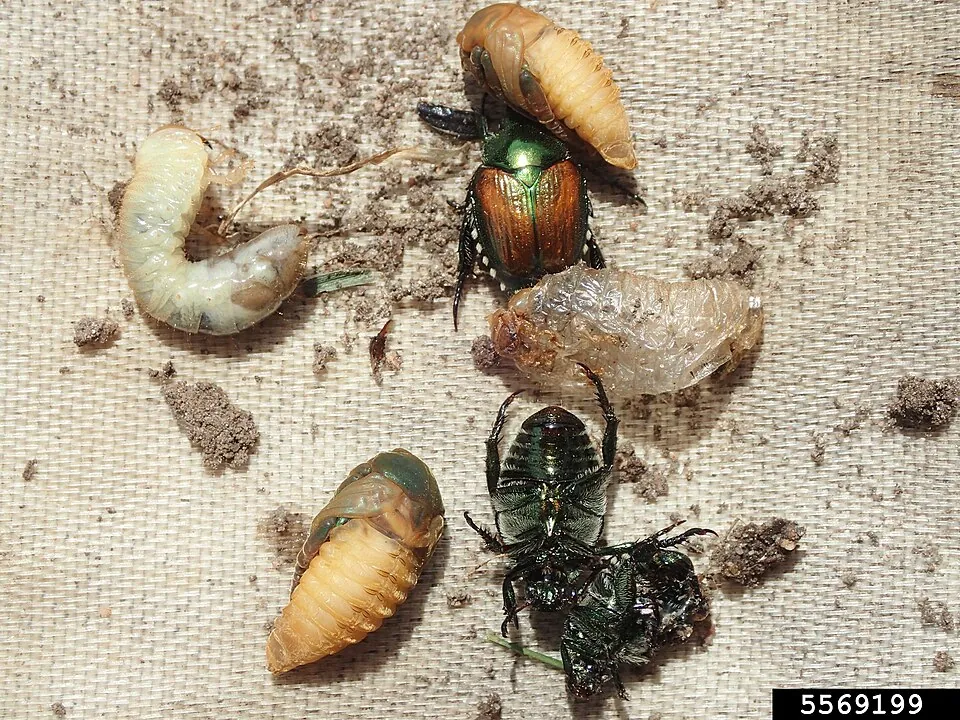
| Scarab white grubs | Creamy C-shaped larvae with a brown head and three pairs of legs near the front. | Inspect roots and soil; species identification may require a magnified rear-end hair pattern. Thresholds depend on species, turf and stress. |
| Billbug larvae | Pale, grub-like larvae lack legs and can feed in stems and crowns before roots. | Distinguish from scarab grubs so treatment timing and targets are appropriate. |
| Chinch bugs | Small true bugs feed on grass; injury can resemble hot-weather drought. | Confirm live bugs at the advancing damage edge and identify the grass species before action. |
| Sod webworms, armyworms and cutworms | Caterpillars chew blades, crowns or stems. | Look for larvae, clipped blades and fresh waste; adult moth counts alone are inadequate. |
| Leatherjackets | Crane-fly larvae can feed on roots and crowns in suitable cool, wet settings. | Identify larvae and local damage relevance; a crane fly over the lawn does not justify spraying. |
Sources for this section
What else could it be?
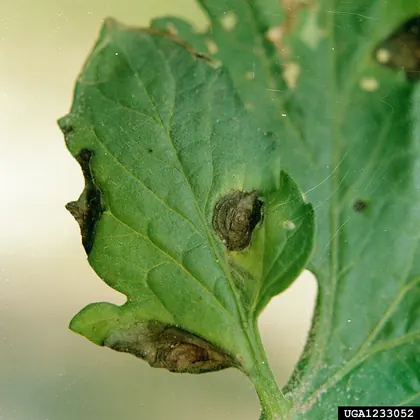
Uneven watering, compaction, shade or scalping
These can map to sprinkler coverage, paths, trees or mowing patterns.
Compare plant disease & stress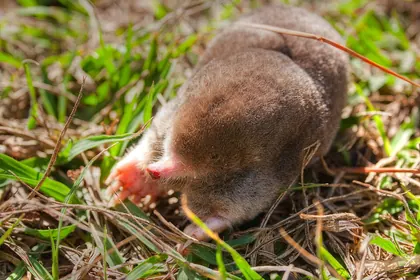
Animal digging
Moles, birds or mammals may forage for several foods; digging does not prove a damaging grub density.
Compare burrowing wildlifeSources for this section
University of California Statewide IPM Program · University of California Statewide IPM Program
Inspect the right places
Check care before pesticides
Compare soil moisture and sprinkler delivery in healthy and injured areas. Note turf type, weather, fertilizer or herbicide use, shade and mowing changes.
Sample several transition areas
Lift small sections across the live-to-damaged edge and inspect roots and soil, then replace the turf. Count organisms within a recorded area and photograph them. Ask local extension for the correct sampling method for surface feeders.
Sources for this section
UC Statewide IPM Program · University of Maryland Extension · University of California Statewide IPM Program
Choose a proportionate response
For pesticides, the local product label determines the allowed pest, site, precautions and timing. Check safety and regional guidance.
Correct the actual stress
Repair irrigation problems and adjust mowing, thatch or compaction management for the grass and season. Do not add fertilizer automatically to brown turf.
Use a local action threshold
A few grubs may be tolerated. Seek a species- and turf-specific threshold rather than applying a universal number per square foot.
Treat the confirmed stage only if needed
Local turf guidance should match active larvae, seasonal stage and the product label. Preventive and curative products are not interchangeable; protect children, pets and drainage routes.
Avoid these mistakes
- Do not apply a calendar insecticide because last year's lawn was brown.
- Do not treat the lawn solely to remove moles or stop adult Japanese beetles migrating into a garden.
- Do not interpret every soil insect as a pest; many are decomposers or predators.
Sources for this section
UC Statewide IPM Program · University of Maryland Extension · University of California Statewide IPM Program
Check whether it is working
Suggested practice: record sample sites and revisit the advancing edge after correcting care. For a confirmed pest, use local sampling and label-directed follow-up; there is no universal lawn recovery interval.
Damage stops expanding, live-pest counts fall where relevant, and the turf develops roots and new growth under suitable growing conditions.
Get help when…
- Persistent decline without a confirmed pest: turf diagnostic service.
- Severe root loss, uncertain larvae or failed treatment: local extension or qualified turf professional.
Sources for this section
Prevent a return
- Choose grass suited to the local climate, shade and use.
- Maintain appropriate irrigation and mowing and inspect stress early rather than scheduling pesticide.
Sources for this section
Common questions
How many grubs mean I should treat?
It depends on the grub species, lawn condition, grass and climate. Count a defined sampled area and use a local threshold.
Will grub treatment stop moles?
Not reliably. Moles eat other soil animals, and their presence does not demonstrate an economically damaging grub population.
Sources for this section
University of Maryland Extension · University of California Statewide IPM Program
Sources & scope
References retain their geography and dates. A source-check date is not a claim of independent specialist review.
- Lawn Insects
UC Statewide IPM Program. California, United States; biology may transfer, management timing and permitted products require local verification; source check, not expert review Checked 2026-10-15.
- White Grubs in Lawn and Garden Soil
University of Maryland Extension. Maryland, United States; source date 2026-03-16; source check, not expert review Checked 2026-10-15.
- Healthy Lawns: Abiotic disorders
University of California Statewide IPM Program. California, United States; host, climate and local species matter; source check, not expert review Checked 2026-10-15.
- Moles
University of California Statewide IPM Program. California, United States; local wildlife law and species vary; source date 2024-11; source check, not expert review Checked 2026-10-15.
- Do's and Don'ts of Pest Control
US Environmental Protection Agency. United States; source check, not expert review Checked 2026-10-15.
Individual medical or veterinary diagnosis, structural assessment, uncertain species identification and local treatment permissions require the appropriate professional. About our editorial process.
Keep investigating
Burrowing Wildlife
Match the animal to fresh signs before choosing control.
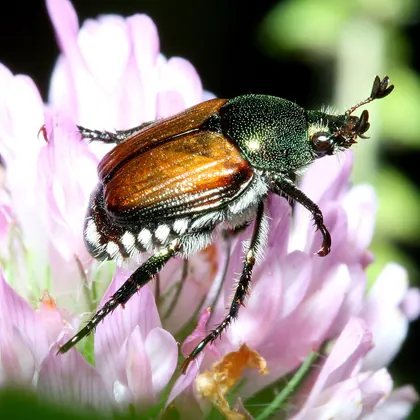
Garden Beetles
Identify the beetle and its host before removing it.
Plant disease & stress
Start with the plant, the pattern and its growing conditions.