
Isolate and reduce early infestations
Separate an affected movable plant. Remove a limited number of heavily infested leaves or wash sturdy foliage, then inspect remaining undersides.
Sources for this section
University of California Statewide IPM Program · UC Statewide IPM Program · US Environmental Protection Agency
Recognize the signs
- Adults and nymphs
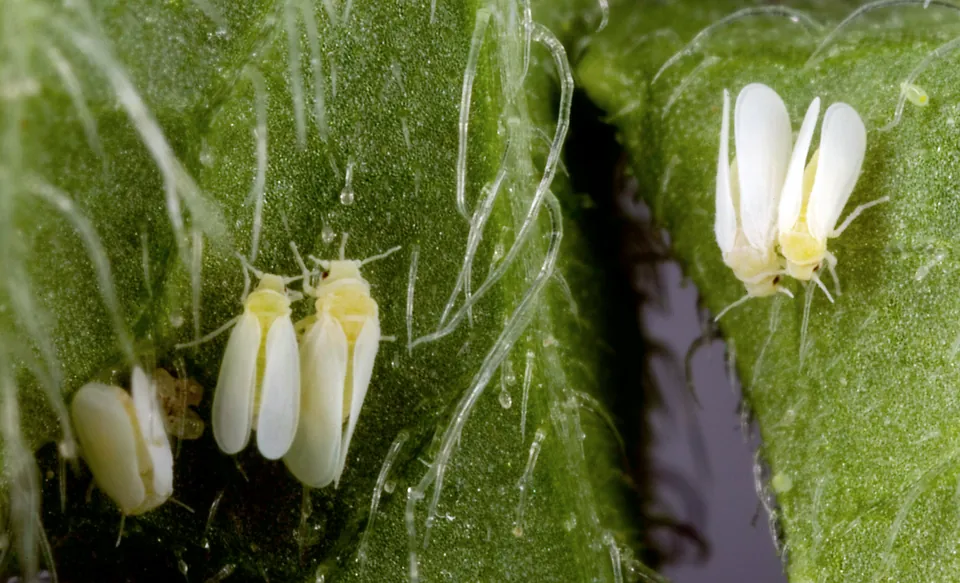
- White winged adults lift off when leaves move. Flat, oval immature stages remain on the underside; their presence helps distinguish an infestation from a passing insect.
- Damage
- Honeydew, sooty coating and yellowing can accompany heavy feeding. These signs also have other causes.
Sources for this section
Differences that change the decision
A similar-looking organism can need a different response. Compare the evidence and what it changes.
Compare every column. On a narrow screen, scroll the table sideways.
| Type | What to check | What changes |
|---|---|---|
| Greenhouse whitefly | Adults tend to hold wings relatively flat; nymphs have a raised edge. | On protected crops, inspect new stock and consider a greenhouse-specific biological-control plan. |
| Silverleaf whitefly group | Adults hold wings more steeply, leaving a visible body gap; squash silvering or uneven tomato ripening can be associated. | Host symptoms help narrow the investigation but cannot confirm species. Crop disease/vector concerns need local advice. |
| Giant whitefly | Larger whiteflies and conspicuous wax filaments on leaves. | Heavy wax needs close examination; do not confuse it with mealybugs or assume all whiteflies need the same response. |
Sources for this section
What else could it be?
Mealybugs and scales
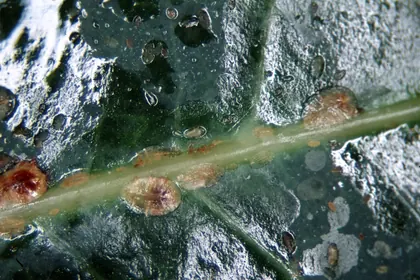
Wax-covered bodies or attached covers can resemble whitefly immatures; check for white flying adults and examine several stages.
Compare scale & mealybugs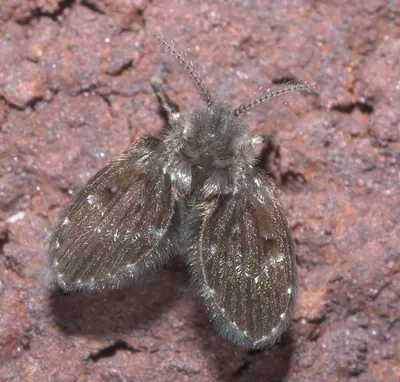
Tiny flies from wet potting mix
Fungus gnats usually arise from soil and are dark, mosquito-like flies rather than white leaf colonies.
Compare small fliesSources for this section
UC Statewide IPM Program · University of California Statewide IPM Program
Inspect the right places
Check both leaf ages
Turn over younger and older leaves on affected plants and nearby purchases. Record adults, immature stages and sticky deposits separately.
Use traps as a signal
Yellow sticky cards can reveal flying adults, but catches alone do not measure all nymphs on a plant or prove species. Keep records tied to the same location.
Sources for this section
Choose a proportionate response
For pesticides, the local product label determines the allowed pest, site, precautions and timing. Check safety and regional guidance.
Isolate and reduce early infestations
Separate an affected movable plant. Remove a limited number of heavily infested leaves or wash sturdy foliage, then inspect remaining undersides.
Protect biological control
Reduce dust and ants and retain predators. Commercial parasitoids need the correct whitefly, temperature and greenhouse setting; buying insects is not an automatic outdoor cure.
Escalate selectively
For continuing damage, ask for a locally suitable, plant-labelled option. Contact sprays require access to the feeding sites and can injure sensitive foliage; follow plant, heat and harvest restrictions.
Sources for this section
University of California Statewide IPM Program · UC Statewide IPM Program · US Environmental Protection Agency
Avoid these mistakes
- Do not judge success only by adult clouds; hidden nymphs can remain.
- Do not use broad insecticide sprays by default; killing natural enemies can worsen the problem.
- Do not identify parasitised nymphs by darkness alone: some healthy species are dark.
Sources for this section
Check whether it is working
Suggested practice: compare the same tagged leaves and fresh growth every few days during active infestation, and after each labelled treatment interval.
Declining live immature stages and adults, with new leaves developing normally. Existing silvering or scars are not a clearance test.
Get help when…
- Repeated infestation of a greenhouse or multiple houseplants: horticultural pest specialist.
- Crop symptoms suggesting a transmitted disease: plant diagnostic service.
Sources for this section
Prevent a return
- Examine plant undersides before purchase and before bringing outdoor plants indoors.
- Keep plants healthy without excess fertilisation and preserve beneficial insects.
Sources for this section
University of California Statewide IPM Program · UC Statewide IPM Program
Common questions
Will sticky cards eliminate whiteflies?
They help detect and sometimes reduce adults, but eggs and nymphs remain on leaves. Combine monitoring with inspection and plant-specific management.
Can I wash off the sooty coating?
Cleaning can improve appearance, but continuing honeydew points to living sap feeders. Find that source before repeatedly cleaning leaves.
Sources for this section
Sources & scope
References retain their geography and dates. A source-check date is not a claim of independent specialist review.
- Whiteflies
University of California Statewide IPM Program. California, United States; host, climate and local species matter; source date 2015-09; source check, not expert review Checked 2026-10-15.
- Mealybugs
UC Statewide IPM Program. California, United States; biology may transfer, management timing and permitted products require local verification; source date 2016-03; source check, not expert review Checked 2026-10-15.
- Fungus Gnats
University of California Statewide IPM Program. California, United States; species, seasons and pesticide permissions vary elsewhere; source date 2013-08; source check, not expert review Checked 2026-10-15.
- Biological Control and Natural Enemies of Invertebrates
UC Statewide IPM Program. California, United States; biology may transfer, management timing and permitted products require local verification; source check, not expert review Checked 2026-10-15.
- Do's and Don'ts of Pest Control
US Environmental Protection Agency. United States; source check, not expert review Checked 2026-10-15.
Individual medical or veterinary diagnosis, structural assessment, uncertain species identification and local treatment permissions require the appropriate professional. About our editorial process.
Keep investigating
Scale & mealybugs
Separate armoured scale, soft scale and mealybugs before choosing an action.
Aphids
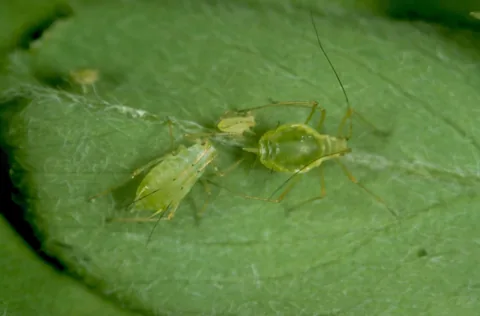
Look for live colonies on tender growth before treating curled leaves.
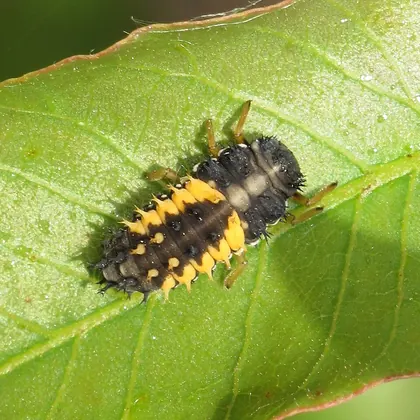
Beneficial Insects
Before removing an insect, check what it is eating and which life stage you are seeing.