
Protect resources
Store human and pet food in sturdy closed containers, remove spills and repair water leaks.
Recognize the signs
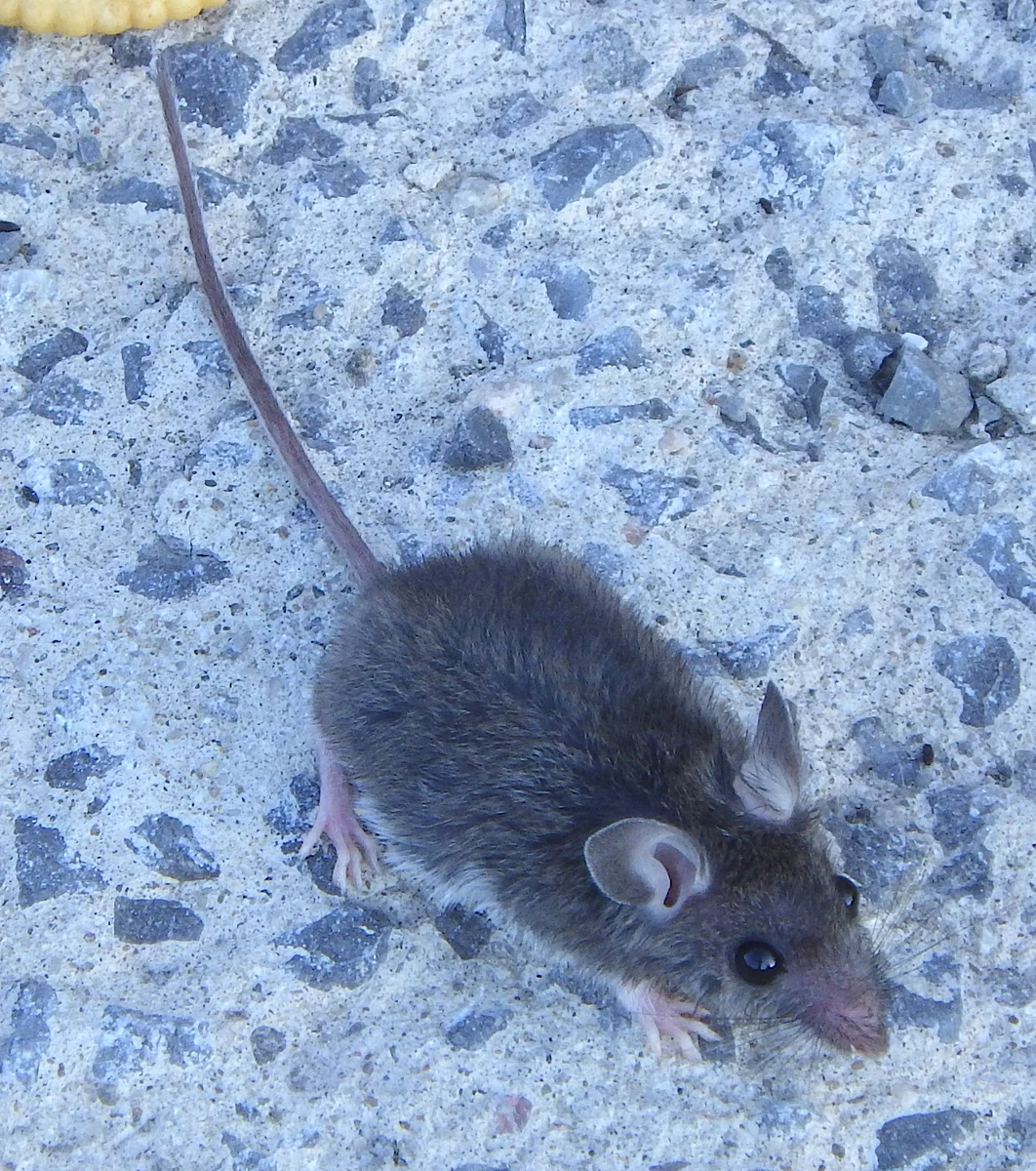
- Whole animal
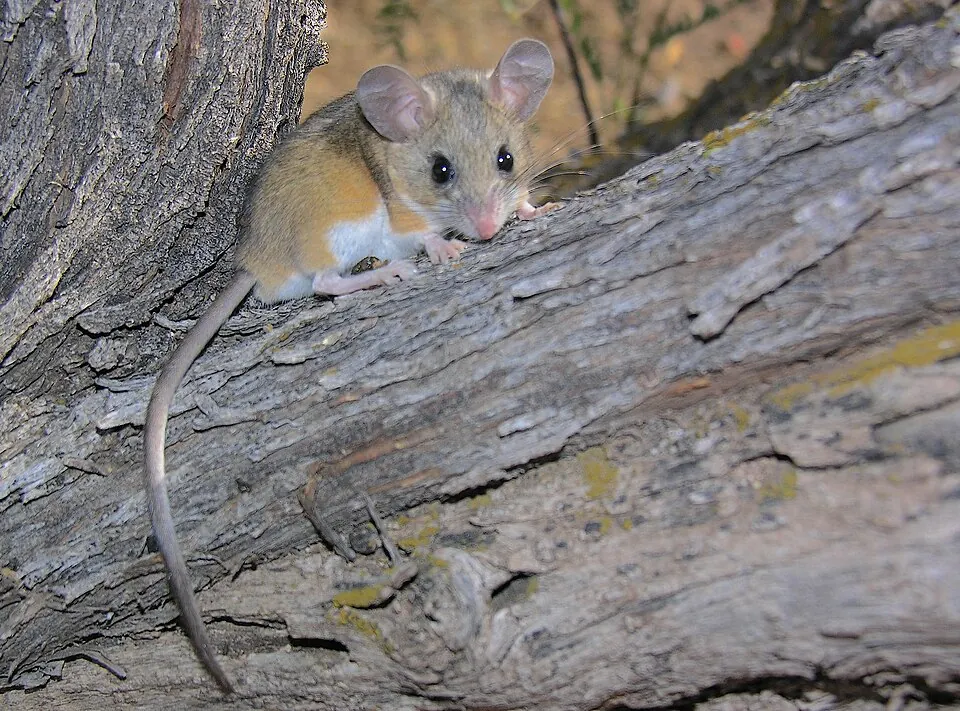
- House mice are usually grey-brown with a nearly hairless tail; deer-mouse relatives commonly have white feet and underside and a two-coloured, furred tail.
- Fresh evidence
- Gnawed food, nests, sightings and recurring droppings together are more useful than a single old dropping. Do not touch or crush waste to identify it.
Look more closely
Compare the labeled examples and their limits. Images are independently enlarged, not shown at a common scale.
Identification limits & photo credit
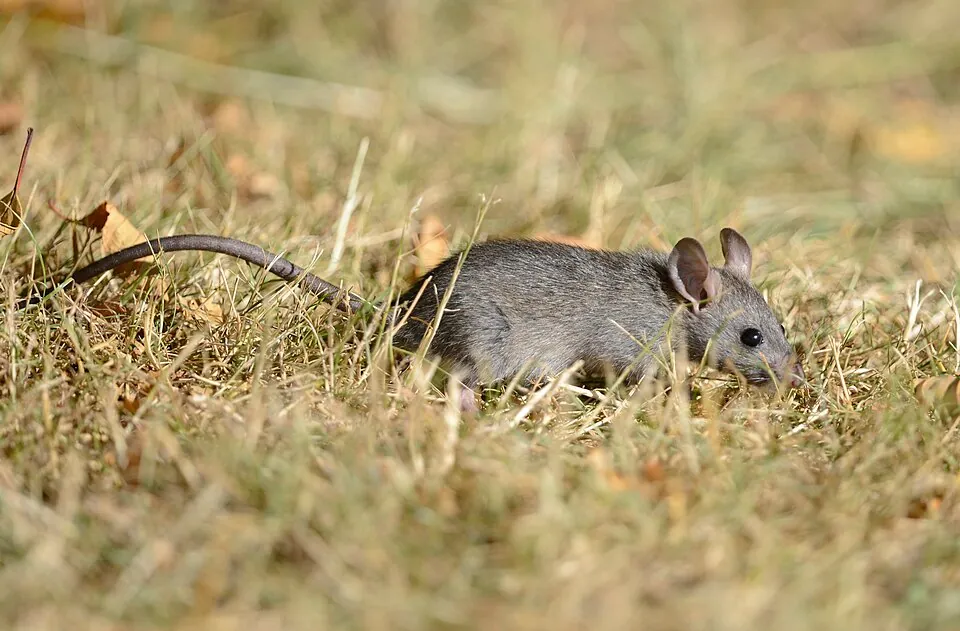
The photographer explicitly labels this animal an infant Norway rat. Young rats can resemble mice and have different proportions from adults. Do not use this juvenile as an adult Norway-versus-roof-rat plate.
Young Norway rat in Western Washington State. Photo: VJAnderson. CC BY-SA 4.0. Original source · CC BY-SA 4.0 & details
Identification limits & photo credit
White feet and underside contrast with the upper fur. The historical source identifies Peromyscus maniculatus; similar Peromyscus species need finer examination and taxonomy has changed. No photograph determines infection status.
Deer mouse photographed in a tree. Photo: Gregory "Slobirdr" Smith. CC BY-SA 2.0. Original source · CC BY-SA 2.0 & details
Sources for this section
University of California Statewide IPM Program · UC Statewide IPM Program
Differences that change the decision
A similar-looking organism can need a different response. Compare the evidence and what it changes.
Compare every column. On a narrow screen, scroll the table sideways.
| Type | What to check | What changes |
|---|---|---|
| House mouse | Small grey-brown rodent; may live and breed within buildings. | Inspect food storage, appliances, cupboards and hidden entry points. |
| Deer and white-footed mouse relatives | White underside and contrasting tail are clues; similar Peromyscus species are difficult to separate. | Cabins and buildings near habitat need particular exclusion and cleanup attention; do not infer infection from appearance. |
Sources for this section
University of California Statewide IPM Program · UC Statewide IPM Program
What else could it be?
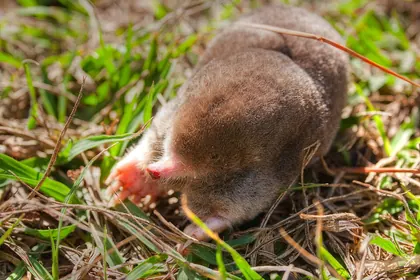
Vole or shrew
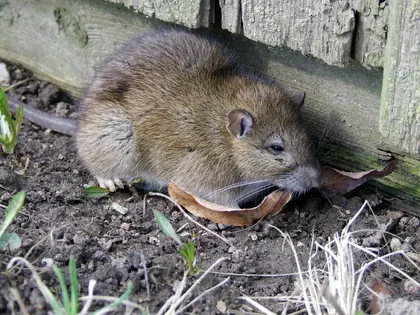
A short-tailed lawn rodent or pointed-snouted insect eater may need different identification.
Compare burrowing wildlifeSources for this section
Inspect the right places
Map activity before cleaning
Photograph from a distance and mark food damage, sightings and entry gaps. Check pipes, door edges, vents and wall junctions; mice can use openings around one-quarter inch.
Assess the cleanup setting
Heavy contamination, ventilation ducts or inaccessible nesting need professional advice before disturbing material.
Sources for this section
University of California Statewide IPM Program · Centers for Disease Control and Prevention
Choose a proportionate response
For pesticides, the local product label determines the allowed pest, site, precautions and timing. Check safety and regional guidance.
Protect resources
Store human and pet food in sturdy closed containers, remove spills and repair water leaks.
Exclude and trap together
Use durable, gnaw-resistant repairs. Place mouse-sized snap traps along confirmed routes in locations or protective enclosures inaccessible to children and pets.
Check every day
Inspect traps daily and record captures and fresh signs. Keep trapping while correcting missed access.
Prepare before cleaning
For a home or outbuilding, open doors and windows for 30 minutes and leave during ventilation. Wear rubber or plastic gloves. Heavy contamination or rodents in ventilation systems need qualified help.
Wet-clean droppings and surfaces
Never dry sweep or vacuum rodent waste. Thoroughly wet urine and droppings with a suitable disinfectant; wait five minutes or the label contact time. Wipe with paper towels into covered rubbish, then disinfect hard surfaces. Wash gloved hands before removing gloves, then wash bare hands with soap and warm water.
Dispose of dead rodents and nests
Wearing gloves, soak the rodent, nest and surrounding area with disinfectant for five minutes or the label time. Seal the waste in one bag, then a second bag, and use covered rubbish or local disposal instructions. Wash gloves before removal and hands afterwards. Follow CDC’s full instructions for reusable traps, other materials and special settings.
Avoid these mistakes
- Do not use loose poison where children, pets or wildlife can reach it.
- Do not treat a quiet night as proof that entry is fixed.
- Do not rely on ultrasonic repellents or a pet to clear an infestation.
- CDC advises against glue boards and live-capture traps for mice and rats: frightened rodents may urinate and increase exposure. Use correctly sized snap traps with protected placement instead.
Check whether it is working
Check traps daily. CDC advises continuing until a week passes with no captures and no fresh signs.
No fresh food damage or droppings after safe cleanup, no captures and intact entry repairs support improvement; continued prevention remains necessary.
Get help when…
- Persistent activity despite correct trapping and repair: qualified rodent professional.
- Heavy waste, inaccessible nesting or illness after exposure: appropriate professional or healthcare advice.
Sources for this section
Prevent a return
- Inspect door sweeps and utility gaps after repairs.
- Keep stored goods off cluttered floors and inspect little-used rooms.
- Coordinate shared-building entry repairs with the responsible manager.
Sources for this section
Common questions
Does a white belly prove a dangerous mouse?
No. Several species look similar, and appearance cannot tell whether an animal carries infection.
Can I vacuum after spraying disinfectant?
Follow the complete cleanup procedure for your surface and equipment; do not vacuum dry waste. Heavy or unusual contamination needs tailored advice.
Sources for this section
UC Statewide IPM Program · Centers for Disease Control and Prevention
Sources & scope
References retain their geography and dates. A source-check date is not a claim of independent specialist review.
- House Mouse
University of California Statewide IPM Program. California, United States; local wildlife law and species vary; source date 2025-07; source checked 2026-10-15, not expert review Checked 2026-10-15.
- Deer Mouse
UC Statewide IPM Program. California, US; biology used, historical pesticide details excluded; source date 2012-06 displayed; includes later edits; source checked 2026-10-15, not expert review Checked 2026-10-15.
- How to Trap Up to Remove Rodents
Centers for Disease Control and Prevention. United States; source date 2024-04-08; source checked 2026-10-15, not expert review Checked 2026-10-15.
- How to Clean Up After Rodents
Centers for Disease Control and Prevention. United States; source date 2024-04-08; source checked 2026-10-15, not expert review Checked 2026-10-15.
Individual medical or veterinary diagnosis, structural assessment, uncertain species identification and local treatment permissions require the appropriate professional. About our editorial process.
Keep investigating
Rats
Look above and below ground, then combine secure food storage, durable entry repairs and rat-sized trapping.
Burrowing Wildlife
Match the animal to fresh signs before choosing control.
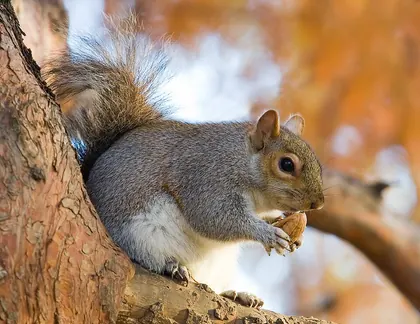
Squirrels
Observe whether the animal uses trees, roof openings or ground burrows.