
Remove easy food and water
Use secure containers, clean feeding areas and correct leaks; include neighbouring shared areas in the plan.
Recognize the signs
- Body and tail
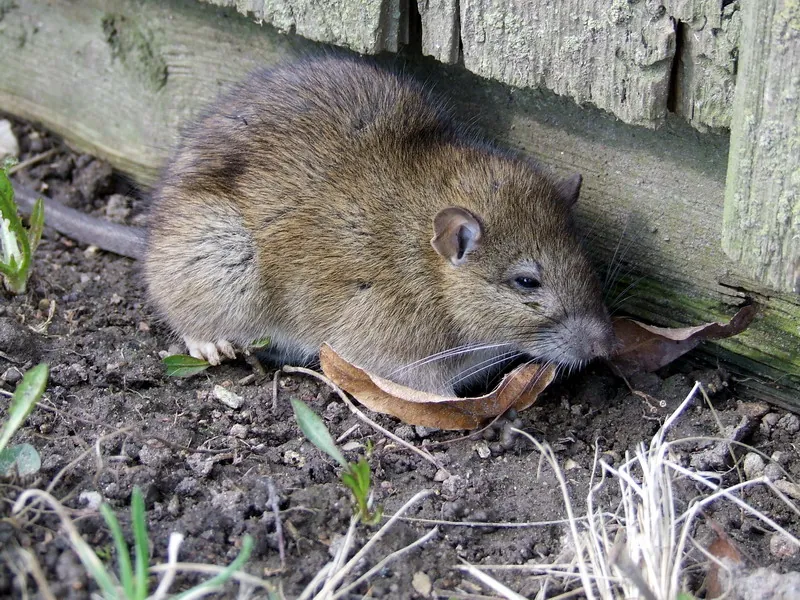
- Roof rats are generally slender with a tail longer than head and body; Norway rats are more robust with a relatively shorter tail. Photographs need the whole animal.
- Activity pattern
- Burrows, greasy routes, gnawing and fresh waste help locate activity. A dropping or a noise alone does not confirm species.
Look more closely
Compare the labeled examples and their limits. Images are independently enlarged, not shown at a common scale.
Identification limits & photo credit
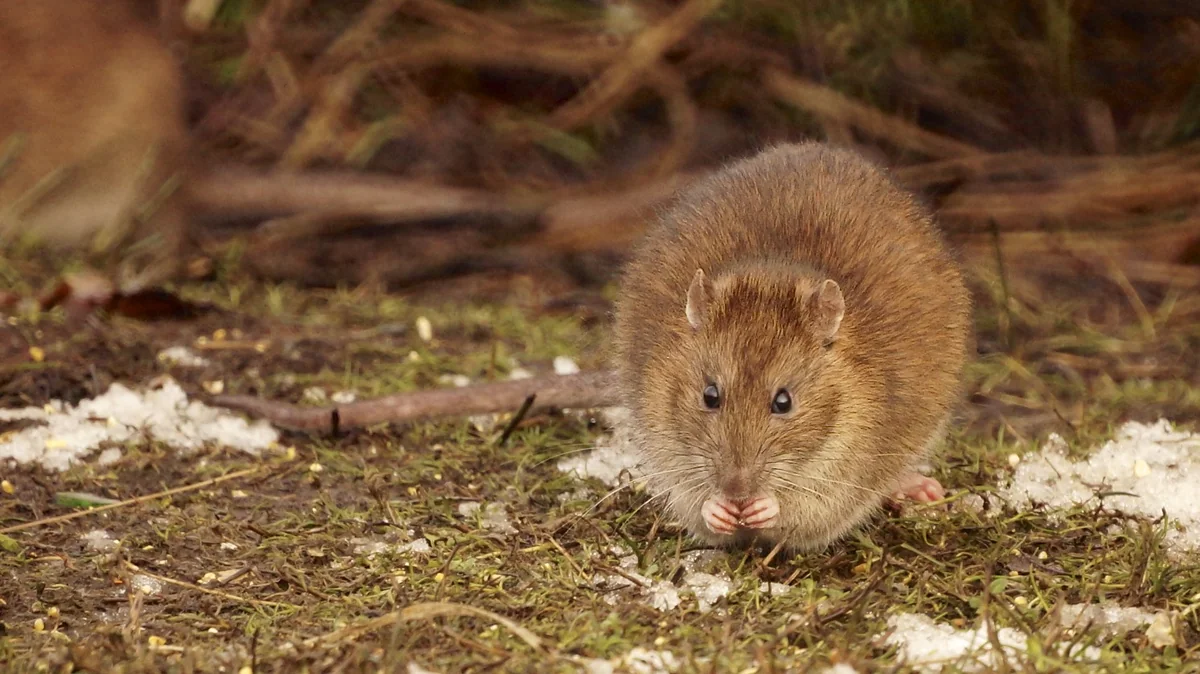
Front view hides the tail and much of the body. It is an example of a rat, not a complete rat-versus-mouse or Norway-versus-roof-rat identification plate.
Norway rat at Hatchpond, Poole, England. Photo: Ian Kirk. CC BY 2.0. Original source · CC BY 2.0 & details
Identification limits & photo credit
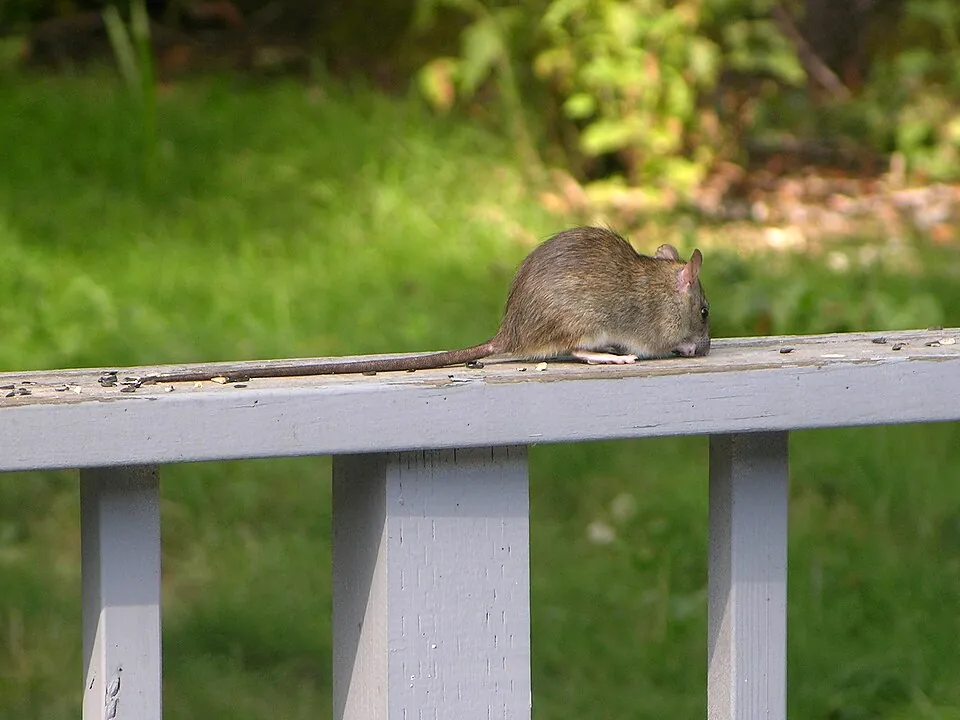
The source identifies Rattus rattus; its tail extends left across the railing. Perspective and posture affect proportions, so use several traits and never image size alone to distinguish rat species.
Living roof rat with its long tail visible. Photo: Alex O'Neal. CC BY-SA 2.0. Original source · CC BY-SA 2.0 & details
Identification limits & photo credit
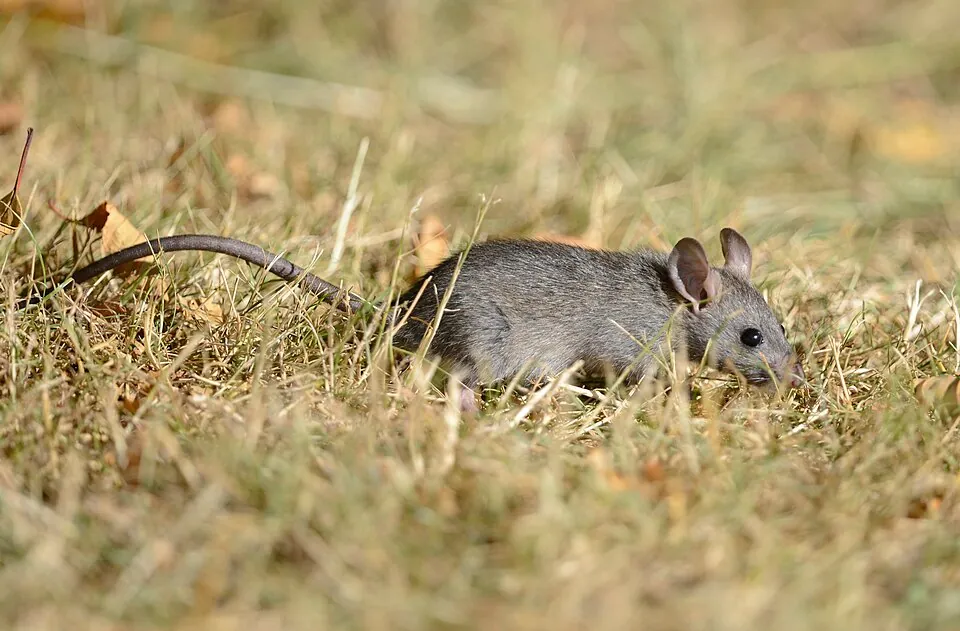
The photographer explicitly labels this animal an infant Norway rat. Young rats can resemble mice and have different proportions from adults. Do not use this juvenile as an adult Norway-versus-roof-rat plate.
Young Norway rat in Western Washington State. Photo: VJAnderson. CC BY-SA 4.0. Original source · CC BY-SA 4.0 & details
Sources for this section
Differences that change the decision
A similar-looking organism can need a different response. Compare the evidence and what it changes.
Compare every column. On a narrow screen, scroll the table sideways.
| Type | What to check | What changes |
|---|---|---|
| Norway rat | Robust body; often uses ground-level shelter and burrows. | Inspect foundation edges, low storage, drains and nearby food sources. |
| Roof rat | Agile climber; often uses upper structures and vegetation. | Inspect attic access, roof edges and overhead routes as well as ground-level resources. |
Sources for this section
What else could it be?
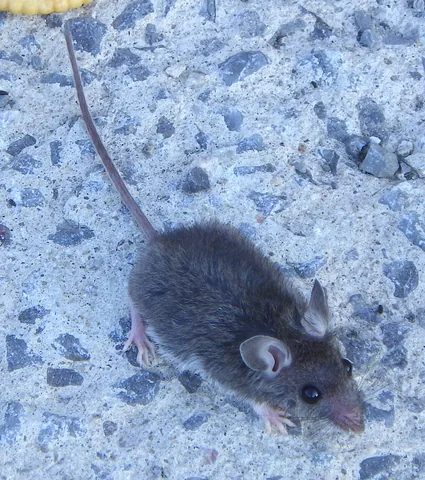
House mouse
Smaller adults, but young rats overlap; do not choose trap size from droppings alone.
Compare mice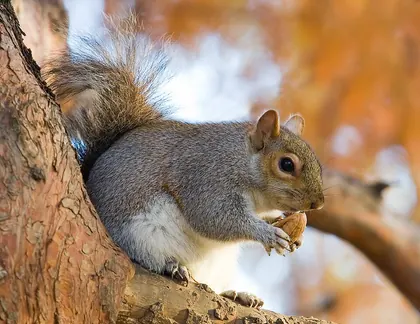
Squirrel
Daytime tree-squirrel activity or nocturnal flying squirrels can explain attic noise.
Compare squirrelsSources for this section
Inspect the right places
Trace resources and routes
Map water, pet feed, fallen fruit, bins and concealed travel paths. Inspect both building levels even when one species seems likely.
Find repair needs
Look for damaged vents, service gaps and door bottoms. Have suspected drain or sewer defects assessed by a qualified trade.
Sources for this section
Choose a proportionate response
For pesticides, the local product label determines the allowed pest, site, precautions and timing. Check safety and regional guidance.
Remove easy food and water
Use secure containers, clean feeding areas and correct leaks; include neighbouring shared areas in the plan.
Use protected rat traps
Set rat-sized snap traps along active routes and keep children, pets and other wildlife away. Rats may avoid a new object; prebaiting unset traps can improve acceptance.
Close access with durable materials
Coordinate trapping and repairs so a continuing entry route does not refill the building.
Prepare before cleaning
For a home or outbuilding, open doors and windows for 30 minutes and leave during ventilation. Wear rubber or plastic gloves. Heavy contamination or rodents in ventilation systems need qualified help.
Wet-clean droppings and surfaces
Never dry sweep or vacuum rodent waste. Thoroughly wet urine and droppings with a suitable disinfectant; wait five minutes or the label contact time. Wipe with paper towels into covered rubbish, then disinfect hard surfaces. Wash gloved hands before removing gloves, then wash bare hands with soap and warm water.
Dispose of dead rodents and nests
Wearing gloves, soak the rodent, nest and surrounding area with disinfectant for five minutes or the label time. Seal the waste in one bag, then a second bag, and use covered rubbish or local disposal instructions. Wash gloves before removal and hands afterwards. Follow CDC’s full instructions for reusable traps, other materials and special settings.
Avoid these mistakes
- Do not scatter rodenticide, improvise toxic bait or use a product for an unlisted species or site.
- Do not assume bait disappearance means rats ate it or the infestation is controlled.
- Do not expect food cleanup alone to remove established shelter.
- CDC advises against glue boards and live-capture traps for mice and rats: frightened rodents may urinate and increase exposure. Use correctly sized snap traps with protected placement instead.
Sources for this section
Centers for Disease Control and Prevention · Centers for Disease Control and Prevention
Check whether it is working
Check traps daily. Continue until at least a week has passed without captures or new signs, following CDC guidance.
Falling captures followed by no fresh evidence and repaired routes indicates progress; record renewed burrows or gnawing.
Get help when…
- Persistent activity, large or shared-building infestation: rodent professional and building manager.
- Damaged wiring, plumbing or inaccessible contamination: appropriate qualified trade or cleanup service.
Sources for this section
Centers for Disease Control and Prevention · Centers for Disease Control and Prevention
Prevent a return
- Keep bins closed and remove fruit or feed spillage.
- Maintain vents and doors and inspect overhanging access routes.
- Review the entire property when activity returns.
Sources for this section
Common questions
Does an attic rat have to be a roof rat?
No. Preferred habitat is a clue, not proof; inspect the animal or obtain expert identification.
Why have traps caught nothing?
Location, competing food, trap size and avoidance can all matter. Compare new signs with placement before concluding that rats have left.
Sources for this section
University of California Statewide IPM Program · Centers for Disease Control and Prevention
Sources & scope
References retain their geography and dates. A source-check date is not a claim of independent specialist review.
- Rats
University of California Statewide IPM Program. California, United States; local wildlife law and species vary; source date 2025-06; source checked 2026-10-15, not expert review Checked 2026-10-15.
- How to Trap Up to Remove Rodents
Centers for Disease Control and Prevention. United States; source date 2024-04-08; source checked 2026-10-15, not expert review Checked 2026-10-15.
- How to Clean Up After Rodents
Centers for Disease Control and Prevention. United States; source date 2024-04-08; source checked 2026-10-15, not expert review Checked 2026-10-15.
Individual medical or veterinary diagnosis, structural assessment, uncertain species identification and local treatment permissions require the appropriate professional. About our editorial process.
Keep investigating
Mice
Confirm fresh mouse activity, protect food and plan exclusion with trapping.
Squirrels
Observe whether the animal uses trees, roof openings or ground burrows.
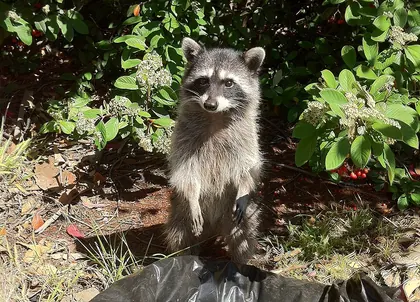
Raccoons, skunks & opossums
An occasional visitor usually calls for removing food access and avoiding contact.