
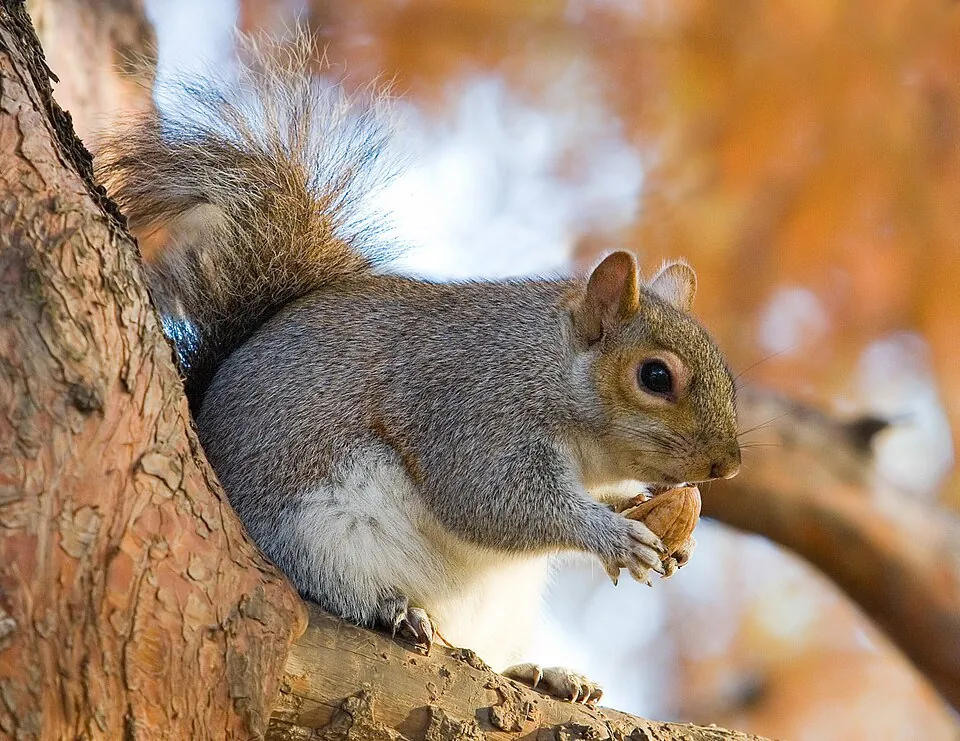
Reduce attractions
Secure feed, remove spills and consider tree or vine routes that connect to the building.
Sources for this section
University of California Statewide IPM Program · Connecticut DEEP
Find the local decision-maker
In the United States, use the Association of Fish & Wildlife Agencies’ state directory to reach your wildlife agency. Ask about the species, occupied nests, dependent young, allowed methods and the operator’s authorization. Elsewhere, use the regional authority routes. Do not assume another region’s rules apply.
Recognize the signs
- Route and time
- Tree squirrels are commonly active by day; flying squirrels are nocturnal. Ground squirrels retreat to burrows. These behaviours narrow the possibilities without proving an ID.
- Evidence at the opening
- Look from a safe position for repeated entry, gnawing and carried nesting material. Noise alone cannot separate squirrels, rats, birds or bats.
Sources for this section
Differences that change the decision
A similar-looking organism can need a different response. Compare the evidence and what it changes.
Compare every column. On a narrow screen, scroll the table sideways.
| Type | What to check | What changes |
|---|---|---|
| Tree squirrels | Bushy-tailed climbers, including grey, fox and red squirrels. | Inspect eaves and roof routes; regional species can have different legal status. |
| Flying squirrels | Large eyes, flattened tail and a gliding skin fold; often active at night. | A nighttime attic sound is not automatically a rat. Use a qualified inspection if the animal is unseen. |
| Ground squirrels | Aboveground foraging associated with burrow systems. | Assess plants and ground stability; do not use an attic-squirrel plan for a burrowing colony. |
| Chipmunks | Small striped squirrels; ground burrows and shallow food caches. | Small lawn depressions can be feeding or caching, not a serious infestation. |
Sources for this section
University of California Statewide IPM Program · Connecticut DEEP · UC Statewide IPM Program · University of Maryland Extension
What else could it be?
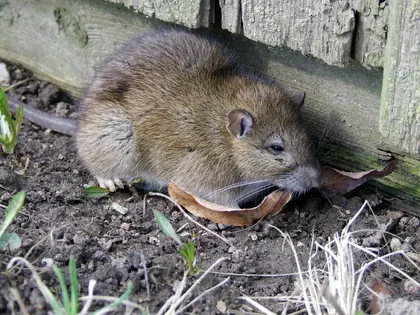
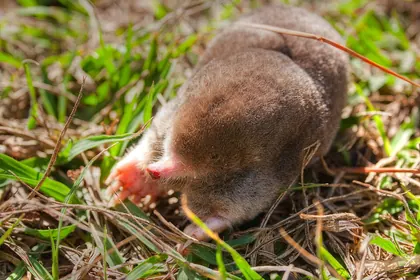
Moles and voles
Raised tunnels or surface runways imply a different inspection path.
Compare burrowing wildlifeSources for this section
Inspect the right places
Observe access
Watch from ground level and note time, route and number seen. Check roof vents, dormers and eaves visually without climbing into an active nest.
Require a young-animal check
Ask an exclusion professional how hidden nests will be checked; one adult leaving does not prove the space is empty.
Sources for this section
Choose a proportionate response
For pesticides, the local product label determines the allowed pest, site, precautions and timing. Check safety and regional guidance.
Reduce attractions
Secure feed, remove spills and consider tree or vine routes that connect to the building.
Plan lawful exclusion
Have occupied access points assessed, then repair them with durable materials after all animals can safely leave.
Treat burrows separately
Flag trip hazards and suspected foundation or irrigation damage. Ask local wildlife authorities about species-specific options.
Sources for this section
University of California Statewide IPM Program · Connecticut DEEP
Avoid these mistakes
- Do not seal, smoke or flood an occupied den.
- Do not assume live capture makes relocation lawful or humane.
- Do not use poison intended for mice on squirrels.
Sources for this section
University of California Statewide IPM Program · UC Statewide IPM Program
Check whether it is working
Suggested practice: record activity at the same observation points before and after repairs; no universal exclusion season or clearance date.
No renewed entry or gnawing and sound repairs are useful indicators; outdoor sightings alone do not mean exclusion failed.
Get help when…
- Any dependent young, trapped animal, wiring damage or uncertain species: qualified wildlife professional.
- Unusual unexplained rodent deaths: local public-health or wildlife authority; do not handle them.
Sources for this section
Prevent a return
- Maintain screened vents and roof repairs.
- Remove accessible pet food and dense debris beside structures.
- Inspect repaired openings after storms.
Sources for this section
Common questions
Can I close a hole after I see a squirrel leave?
There may be other animals or dependent young inside. Confirm occupancy before closing it.
Will removing one squirrel end the problem?
An accessible shelter can be occupied again; durable exclusion addresses that opportunity.
Sources for this section
Sources & scope
References retain their geography and dates. A source-check date is not a claim of independent specialist review.
- Tree Squirrels
University of California Statewide IPM Program. California, United States; local wildlife law and species vary; source date 2016-08; source check, not expert review Checked 2026-10-15.
- Flying Squirrels
Connecticut DEEP. Connecticut, US; historical fact sheet, no range extrapolation; source date 1999-12 revision; source check, not expert review Checked 2026-10-15.
- Ground Squirrel
UC Statewide IPM Program. California, US; methods and species protections local; source date 2025-06; source check, not expert review Checked 2026-10-15.
- Animals Digging in Lawns
University of Maryland Extension. Maryland, US; source check, not expert review Checked 2026-10-15.
Individual medical or veterinary diagnosis, structural assessment, uncertain species identification and local treatment permissions require the appropriate professional. About our editorial process.
Keep investigating
Rats
Look above and below ground, then combine secure food storage, durable entry repairs and rat-sized trapping.
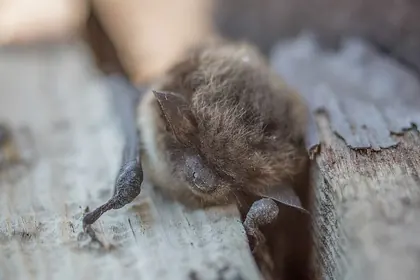
Bats
A bat in a living space needs an exposure assessment before release.
Burrowing Wildlife
Match the animal to fresh signs before choosing control.