
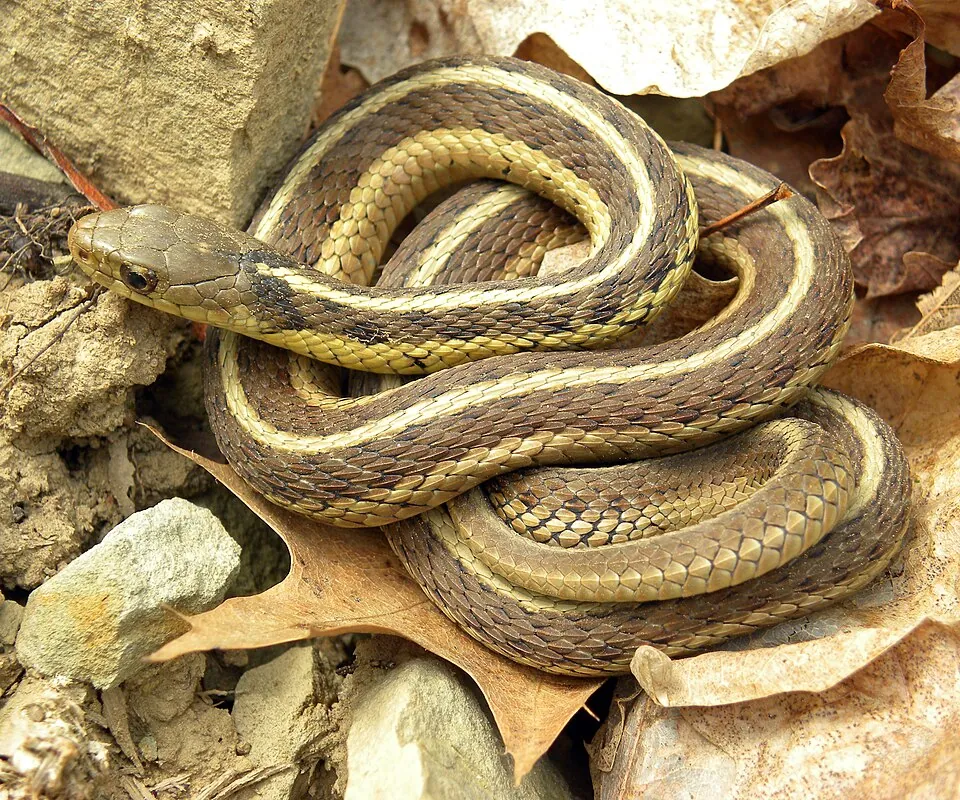
Give the animal space
Keep pets indoors and allow an outdoor animal to move away. Isolate an indoor room only if this can be done without approaching it, then seek local help.
Sources for this section
University of Maryland Extension · UC Statewide IPM Program · CDC National Institute for Occupational Safety and Health
Find the local decision-maker
In the United States, use the Association of Fish & Wildlife Agencies’ state directory to reach your wildlife agency. Ask about the species, occupied nests, dependent young, allowed methods and the operator’s authorization. Elsewhere, use the regional authority routes. Do not assume another region’s rules apply.
Recognize the signs
- Use a safe distant view
- Record the location and a photograph only if it is safe. Do not approach to inspect pupils, teeth or scale counts.
- Limits of simple rules
- Many lizards have legs, external ear openings and movable eyelids, but legless lizards and other exceptions exist. Colour patterns alone are not a worldwide safety test.
Look more closely
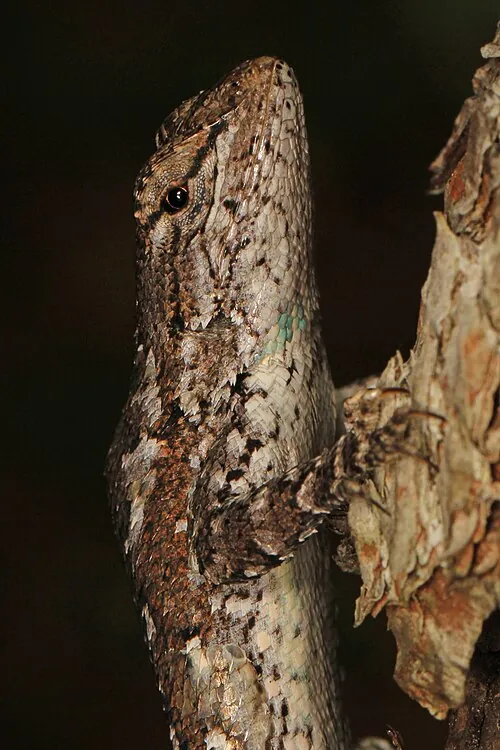
Compare the labeled examples and their limits. Images are independently enlarged, not shown at a common scale.
Identification limits & photo credit
Close view of the head and scaled body, with the limbs and tail outside the frame. Not a full-body plate for all lizards or a safe-handling instruction.
Eastern fence lizard in South Carolina. Photo: Judy Gallagher. CC BY 2.0. Original source · CC BY 2.0 & details
Sources for this section
Differences that change the decision
A similar-looking organism can need a different response. Compare the evidence and what it changes.
Compare every column. On a narrow screen, scroll the table sideways.
| Type | What to check | What changes |
|---|---|---|
| Snakes | Legless reptiles; local species include harmless predators and medically significant species. | Keep pets and people away; obtain local identification or removal help. |
| Common insect-eating garden lizards | Many regional small lizards consume invertebrates and do little garden harm. | Leave them outdoors where practical; prevent entry rather than poisoning. |
| Unfamiliar or large lizards | Worldwide lizard biology differs from California's common species. | Seek local wildlife advice, particularly for a possible escaped pet or invasive species. |
Sources for this section
What else could it be?
Legless lizards
Some look like snakes; do not handle to test eyelids.
Rodent evidence
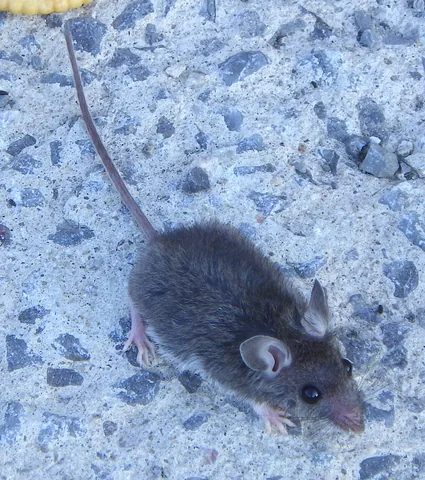
A snake may be following prey, but its presence alone does not prove an indoor rodent infestation.
Compare miceSources for this section
Inspect the right places
Find access without contact
Check door bottoms, vents and service gaps when the animal is absent. Keep hands out of brush, rock piles and unseen spaces.
Assess habitat
Look for piles next to buildings and accessible rodent food; reduce the specific attraction without indiscriminately clearing wildlife habitat.
Sources for this section
University of Maryland Extension · CDC National Institute for Occupational Safety and Health
Choose a proportionate response
For pesticides, the local product label determines the allowed pest, site, precautions and timing. Check safety and regional guidance.
Give the animal space
Keep pets indoors and allow an outdoor animal to move away. Isolate an indoor room only if this can be done without approaching it, then seek local help.
Repair openings
After occupancy is resolved, fit door sweeps and repair gaps and screens.
Respond to a bite urgently
Call the local emergency service. Do not drive yourself, capture the snake, cut or suck the wound, or apply a tourniquet. Follow regional emergency instructions.
Sources for this section
University of Maryland Extension · UC Statewide IPM Program · CDC National Institute for Occupational Safety and Health
Avoid these mistakes
- Do not pick up snakes, including dead ones.
- Do not grab a lizard by the tail or set glue traps.
- Do not use mothballs or improvised chemical repellents around the home.
Sources for this section
UC Statewide IPM Program · CDC National Institute for Occupational Safety and Health
Check whether it is working
Suggested practice: inspect repairs after the animal has left and review renewed entry. Bites require immediate attention, not monitoring at home.
Closed access and no repeat indoor entry; outdoor reptiles do not have to disappear.
Get help when…
- Any snakebite or concerning reptile bite: emergency medical guidance.
- Uncertain species, animal indoors or invasive-species concern: local wildlife specialist.
Sources for this section
Prevent a return
- Keep doors and screens fitted.
- Store materials so hidden spaces can be inspected safely.
- Address confirmed rodent food access.
Sources for this section
Common questions
Are all lizards harmless?
No worldwide statement is reliable. The cited California guidance concerns local common lizards; unknown species deserve distance and local advice.
Can I identify a venomous snake by its head shape?
Do not rely on a simple visual rule or approach for a better look. Let a qualified local service assess it.
Sources for this section
UC Statewide IPM Program · CDC National Institute for Occupational Safety and Health
Sources & scope
References retain their geography and dates. A source-check date is not a claim of independent specialist review.
- Snakes
University of Maryland Extension. Maryland, United States; source check, not expert review Checked 2026-10-15.
- Lizards
UC Statewide IPM Program. California, US; local common lizards, not worldwide safety; source date 2014-11; source check, not expert review Checked 2026-10-15.
- Venomous Snakes at Work
CDC National Institute for Occupational Safety and Health. United States; source date 2026-09-23 review; source check, not expert review Checked 2026-10-15.
Individual medical or veterinary diagnosis, structural assessment, uncertain species identification and local treatment permissions require the appropriate professional. About our editorial process.
Keep investigating
Mice
Confirm fresh mouse activity, protect food and plan exclusion with trapping.
Burrowing Wildlife
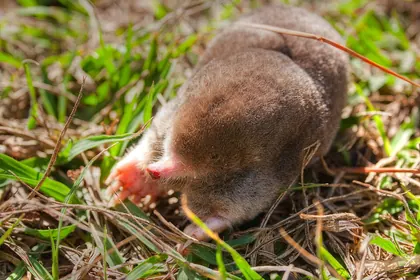
Match the animal to fresh signs before choosing control.
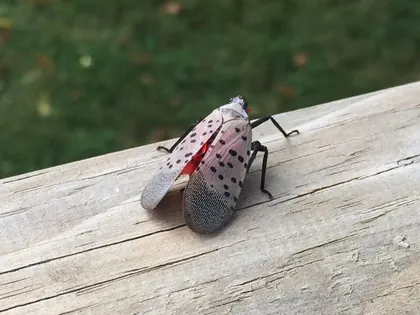
Suspected invasive pests
Photograph, record the location and pause movement of suspect plants, wood or equipment.