Match the actual host, fresh damage and organism. These comparisons explain what would support each cause, what changes the response and what remains uncertain.
Locality, season and plant variety matter. These are inspection routes, not diagnoses. Use the interactive plant explorer to select a supported host and save your observations.
Tomato · missing leaves · inspection route
Tomato · missing leaves
Fresh missing leaf tissue / holes can have several causes. The selected plant is context, not a diagnosis.
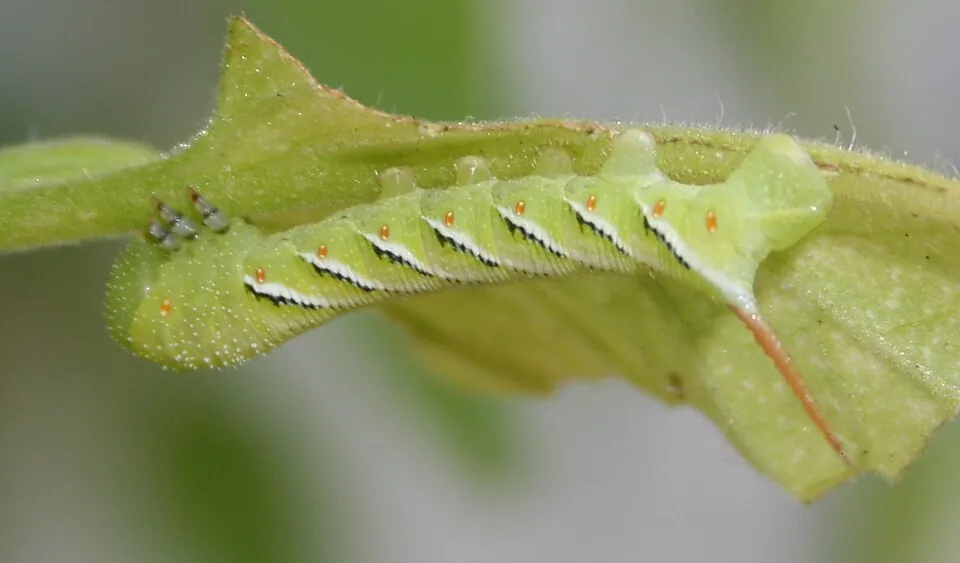
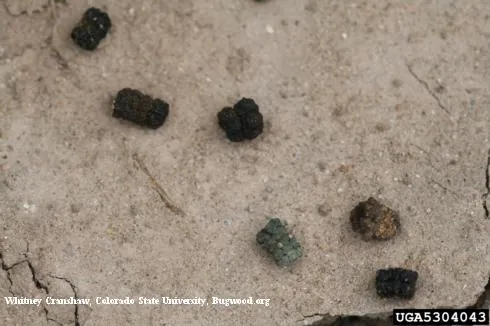
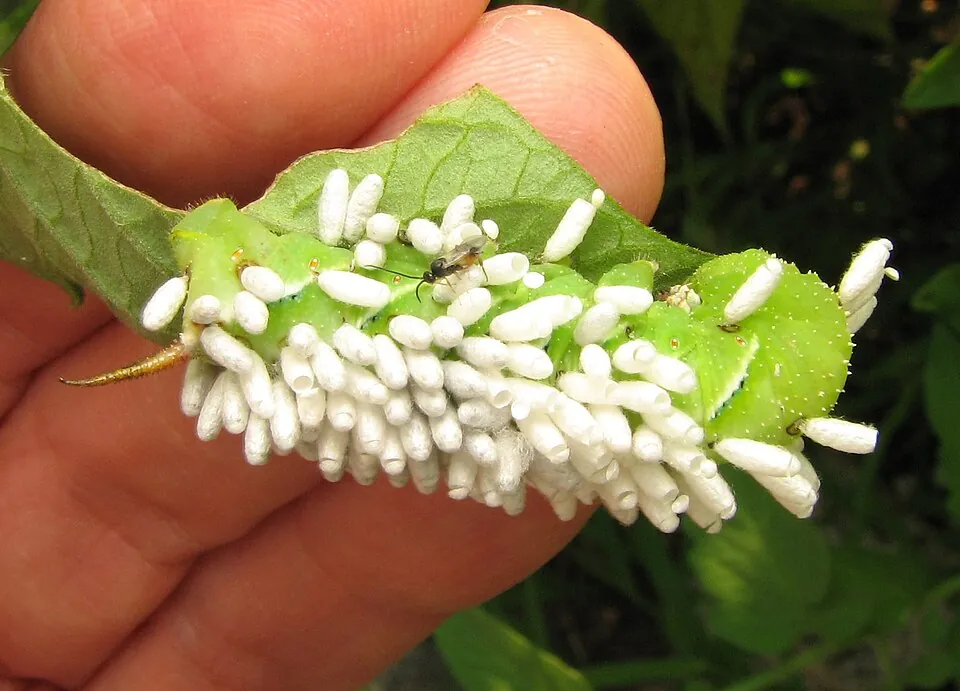
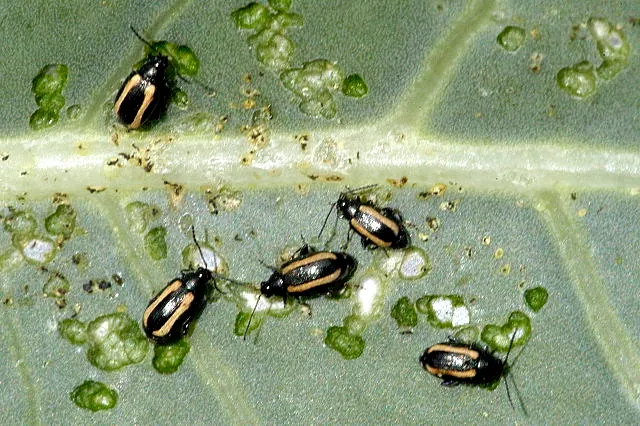
Record whether damage is fresh, whole-plant pattern and transplant size; photograph insect, leaf and frass with scale.
The hole alone cannot identify a culprit; absence of a larva is not confirmation.
Locality, season, variety and growth stage are still unknown. The source geography matters.
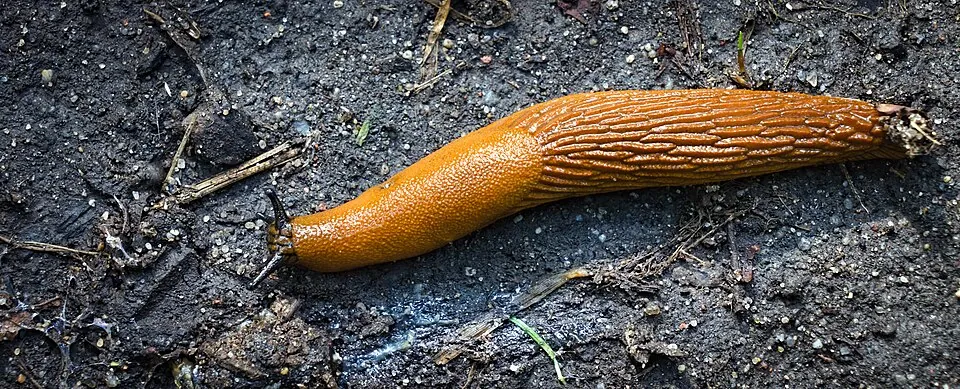
Slugs in home gardens — Minnesota extension; active-period observation general, local product limits remain. Checked 2026-10-18.
If the organism or pattern does not fit, keep the alternatives open. Ask a local plant diagnostic service about serious or unexplained loss. Product labels govern the actual plant, pest, site and precautions.
Wilt can have several causes. The selected plant is context, not a diagnosis.
Cucumbers and melons are usually not attacked by squash vine borers; skip that route for these hosts. Butternut squash is less susceptible.
Check whether wilt persists the next morning and inspect root-zone moisture before watering again.
Inspect crown and lower stem before cutting; photograph evidence.
Locality, season, variety and growth stage are still unknown. The source geography matters.
Possible route 01
Squash vine borer
What would support it?
Basal entry hole plus moist orange/green sawdust-like frass supports an internal borer.
Your next step
Once larvae are inside stems, foliar sprays are poor rescue tools. Remove a killed infested vine promptly; careful larva removal sometimes saves a still-live vine but is uncertain.
What to check afterwards
Use local moth activity, not Minnesota dates globally. Editorial suggestion: revisit crown and morning wilt promptly after a finding.
Butternut is less susceptible; cucumbers and melons are not equivalent squash-borer hosts.
Consider beetle-associated progressive wilt; cucumber/muskmelon are more affected than squash/pumpkin.
A negative home string/ooze test does not rule it out.
Your next step
Obtain plant-clinic diagnosis when uncertain; an infected plant is not cured by insecticide. Confirmed diseased plants are removed, with future beetle prevention separated from rescue.
What to check afterwards
UMN advises watching daytime wilt that fails to recover by the next morning.
Do not equate this pathogen with watermelon wilt or every cucurbit disease.
Bacterial wilt of cucurbits — Minnesota extension; host and pathogen-specific, not every wilt. Checked 2026-10-18.
If the organism or pattern does not fit, keep the alternatives open. Ask a local plant diagnostic service about serious or unexplained loss. Product labels govern the actual plant, pest, site and precautions.
Managing insects on indoor plants — Minnesota extension; indoor consumer guidance; local product labels still govern. Checked 2026-10-18.
If the organism or pattern does not fit, keep the alternatives open. Ask a local plant diagnostic service about serious or unexplained loss. Product labels govern the actual plant, pest, site and precautions.
Lawn Insects — California lawns; numbers vary by pest, turf, vigor and region. Checked 2026-10-18.
If the organism or pattern does not fit, keep the alternatives open. Ask a local plant diagnostic service about serious or unexplained loss. Product labels govern the actual plant, pest, site and precautions.
Pale stippling, bronzing or mottled foliage can have several causes. The selected plant is context, not a diagnosis.
Compare the upper leaf with its underside, old with new leaves, and affected with healthy shrubs; record sun exposure and root-zone moisture.
Existing stipples are permanent injury. Confirm a live organism or a documented care problem before selecting a control.
Locality, season, variety and growth stage are still unknown. The source geography matters.
Possible route 01
Azalea/rhododendron lace bugs
What would support it?
Fine pale spots above plus black fecal specks below support this branch; look for flat lace-winged adults or dark spiny nymphs underneath.
Your next step
Reduce verified drought/site stress and conserve predators. On a small population, continue observation when beneficials are feeding rather than automatically spraying.
What to check afterwards
UMD begins underside checks around early May in Maryland; use local hatch guidance elsewhere. Editorial suggestion: compare fresh stippling and live nymphs on the same leaves/shoots.
Lace-bug species are host-associated; the date and generation count are regional. Black specks without a live insect do not quantify current activity.
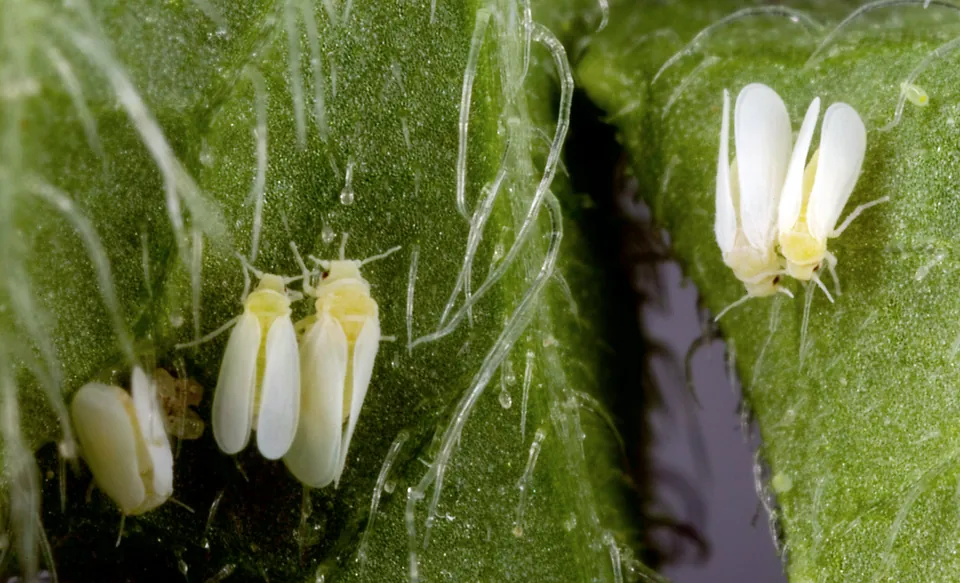
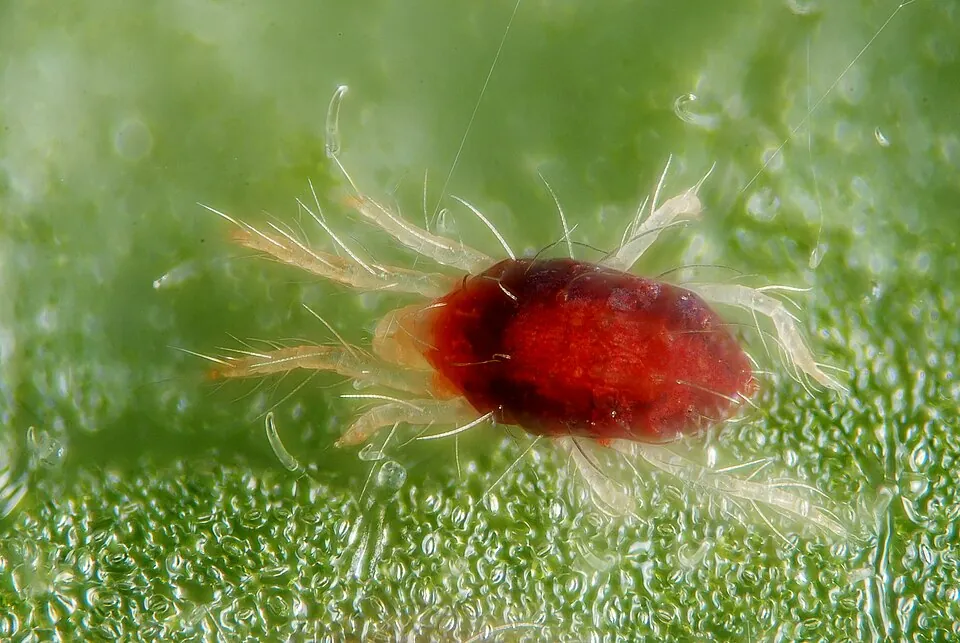
Tap affected foliage over white paper and inspect moving specks with about 10× magnification; inspect leaf undersides for mites, eggs or fine webbing.
Your next step
Confirm plant-feeding mites rather than predators. A suitable sturdy plant can be rinsed with plain water; correct verified drought stress and protect natural enemies.
What to check afterwards
Editorial suggestion: repeat the same paper-tap and underside inspection during active injury, recording actual mites and newly affected leaves.
Not all mites make webs or peak in hot weather; moving specks or color alone do not establish a pest species.
Mites in Home Gardens — Maryland home gardens; species differ in season, host and magnification required; page updated March 2026.. Checked 2026-10-18.
Possible route 03
Site, moisture or nutrient stress
What would support it?
Check drought/waterlogging, sun exposure and whether yellowing follows veins rather than small feeding punctures; review a soil test before assuming a deficiency.
Your next step
Correct the demonstrated site or water problem; request plant/soil diagnostic advice for unexplained chlorosis rather than applying an insecticide by default.
What to check afterwards
Editorial suggestion: log moisture and new growth after changes. Persistent decline without confirmed insects warrants a plant-clinic assessment.
High pH/nutrient chlorosis, drought and pest injury can coexist; foliage appearance alone cannot choose a fertilizer or irrigation rate.
Water Management and Pest Problems — UC IPM landscape water/root stress; both drought and excess water matter; do not infer irrigation need from wilt alone.. Checked 2026-10-18.
If the organism or pattern does not fit, keep the alternatives open. Ask a local plant diagnostic service about serious or unexplained loss. Product labels govern the actual plant, pest, site and precautions.
Holes, scraped windows or missing leaf edges can have several causes. The selected plant is context, not a diagnosis.
Photograph fresh feeding, both leaf surfaces and the actual feeder. Record buds/flowers versus leaves and whether whole blades or one surface were eaten.
A shape match alone cannot distinguish every sawfly, beetle, caterpillar or leafcutting bee.
Locality, season, variety and growth stage are still unknown. The source geography matters.
Possible route 01
Roseslug sawflies
What would support it?
Look below scraped/windowpane leaves for greenish caterpillar-like larvae; older bristly roseslugs can chew complete holes.
Your next step
Hand-remove a light confirmed population. Do not substitute Bt caterpillar treatment: sawflies are wasp larvae and Bt used for caterpillars is ineffective.
What to check afterwards
Editorial suggestion: revisit undersides while new injury is appearing and count living larvae; old brown windows will not heal. Local species can have different generations.
Some curled rose sawflies make edge cuts resembling leafcutting bees. Beneficial hoverfly larvae among aphids do not chew leaves.
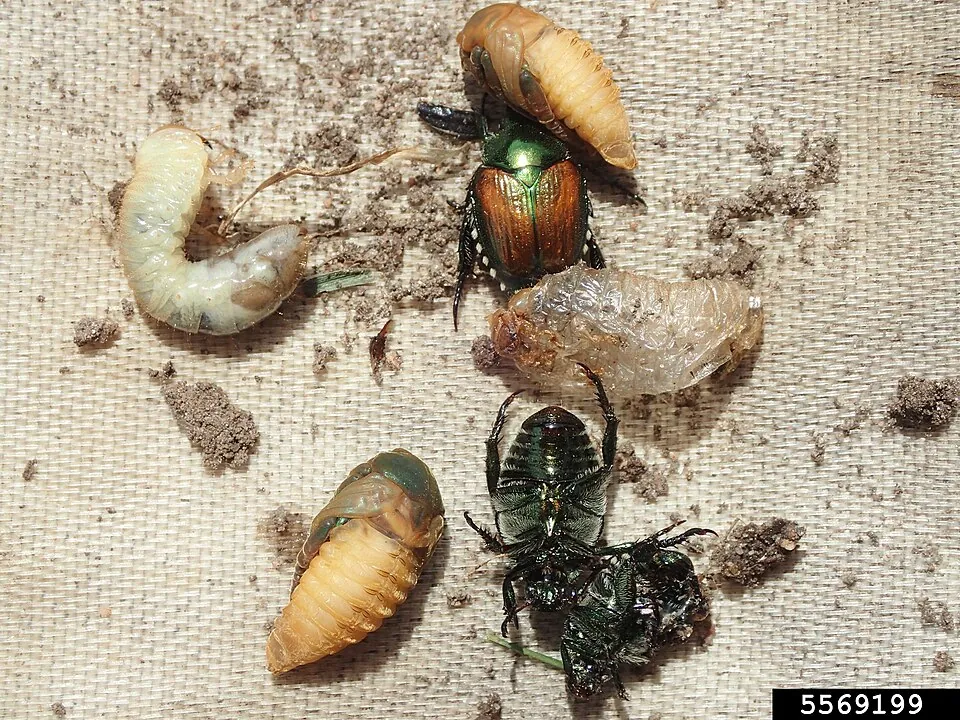
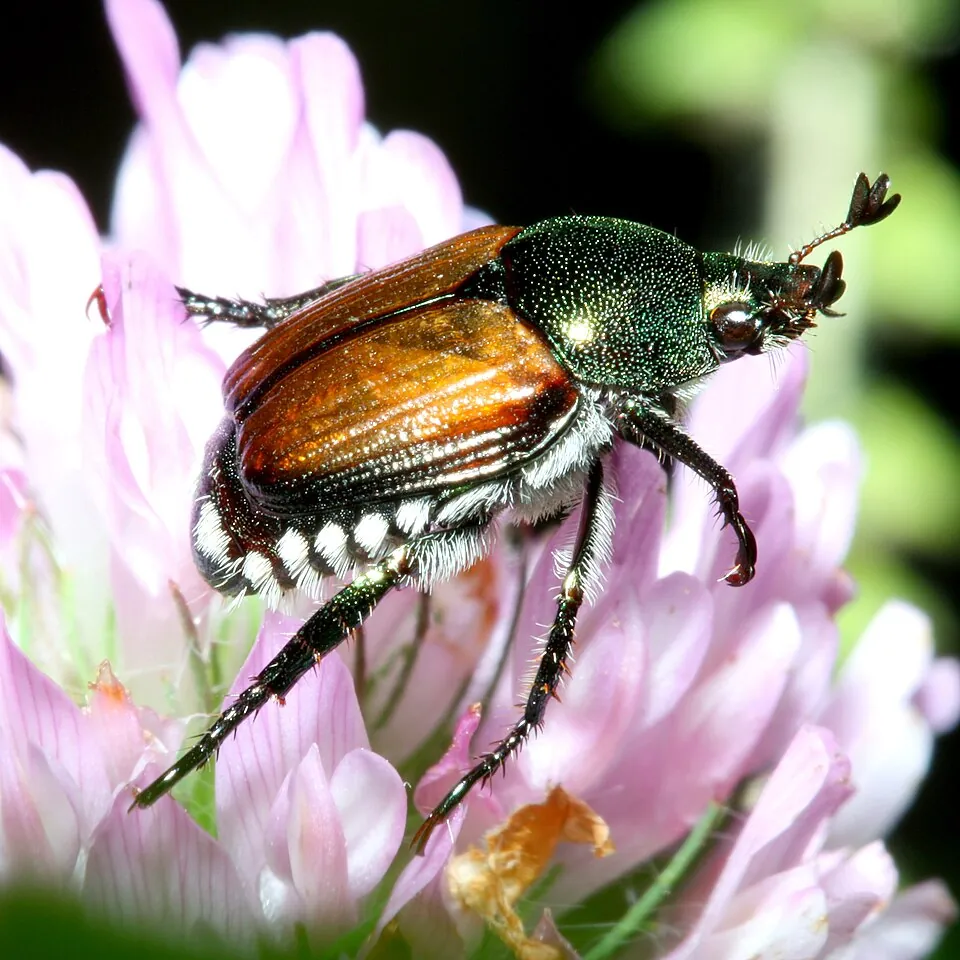
Find the adult feeding: Japanese beetles are metallic green/copper with distinctive white hair tufts; rose chafers are slender tan beetles. Use a regional identification reference.
On a confirmed Japanese beetle, distinguish its normal abdominal hair tufts from discrete parasitoid eggs on the head/body; seek local identification if uncertain.
Your next step
Physically remove confirmed feeding beetles on manageable plants, except Japanese beetles bearing confirmed Winsome-fly eggs: preserve those parasitized beetles under local guidance. Do not treat lawn grubs solely because adults visit roses.
What to check afterwards
Editorial suggestion: inspect fresh flowers and leaf injury during local adult activity. Record the beetle rather than applying Minnesota flight dates everywhere.
Regional beetles differ. Adults can fly in from elsewhere; a generic beetle photo or skeletonized leaf is not a species diagnosis.
A bee actually cutting/carrying leaf pieces supports this route; smooth circular or semicircular margin cuts alone are suggestive, not conclusive.
Your next step
Retain these pollinators. Cosmetic clipping is normally harmless to an otherwise healthy rose; protect a small valued plant with suitable temporary screening only if needed.
What to check afterwards
Editorial suggestion: watch a fresh cut during bee activity and record new clipping; no repair of old holes is expected.
Curled rose sawflies can make similar half-moon edge cuts. Do not kill a bee or seal an occupied nest on this evidence.
Leafcutting Bees — UC IPM California examples; beneficial pollinator behavior applies to the identified group, not every semicircular cut.. Checked 2026-10-18.
Rose Sawflies (Roseslugs) — UC IPM California; species and seasonal occurrence vary. No pesticide recipes transferred.. Checked 2026-10-18.
Possible route 04
Moth/butterfly caterpillars
What would support it?
Inspect rolled or silk-tied leaves and damaged buds for a caterpillar and frass; distinguish it from a roseslug before using caterpillar-specific options.
Your next step
Hand-remove an accessible confirmed feeder or a limited occupied rolled leaf/bud; retain beneficials and avoid treating visiting adults as the cause.
What to check afterwards
Editorial suggestion: check the same shoots for new feeding and living larvae; unresolved damage without a feeder goes to a local diagnostic service.
Caterpillar species, stage and host matter; leaf damage alone does not justify any pesticide or identify a caterpillar.
Roses: Insects and Mites — UC IPM California roses; regional beetles differ; linked pesticide tables are not universal permissions.. Checked 2026-10-18.
If the organism or pattern does not fit, keep the alternatives open. Ask a local plant diagnostic service about serious or unexplained loss. Product labels govern the actual plant, pest, site and precautions.
Distorted or curled young leaves, with or without mines or sticky deposits can have several causes. The selected plant is context, not a diagnosis.
Inspect the newest tender flush with magnification; distinguish a tunnel inside a leaf from insects feeding on its surface. Photograph whole shoot, both leaf faces and insects.
Record location before using reporting guidance. A leaf curl, mine or psyllid-shaped insect alone does not diagnose huanglongbing (HLB).
Locality, season, variety and growth stage are still unknown. The source geography matters.
Possible route 01
Citrus leafminer
What would support it?
A winding shallow mine with a thin dark frass trail inside a young leaf supports leafminer; the leaf edge may be rolled around a pupa.
Your next step
Retain mined leaves: uninjured tissue still feeds the tree and mines support natural enemies. Avoid repeated pruning that stimulates continuous tender flush; mature backyard trees usually tolerate this injury.
What to check afterwards
Editorial suggestion: compare the next flush and actual mines, not old curled leaves. A pheromone trap monitors male moth activity; it does not control the population.
Very young trees can lose growth. This branch does not clear suspected ACP/HLB symptoms or justify transferring old product recommendations.
Citrus Leafminer — UC IPM home citrus; source revised March 2010. Biology/cultural guidance used; old product examples and distribution snapshot not transferred.. Checked 2026-10-18.
Possible route 02
Asian citrus psyllid / HLB alert
What would support it?
Inspect tender flush for yellow-orange nymphs with conspicuous white waxy tubules or small mottled adults feeding with the rear raised. Leaf distortion alone is insufficient.
Your next step
If ACP or HLB is suspected, contact the local plant-health authority. In California use the county agricultural commissioner or CDFA pest hotline, 1-800-491-1899; obtain instructions before moving plant material.
What to check afterwards
Do not wait for a routine garden follow-up when suspicious HLB symptoms occur. Editorial suggestion: retain dated photos and location for official assessment; only approved testing can establish infection.
California reporting contacts/quarantine scope are not worldwide rules. An insect photo cannot show whether it carries the HLB bacterium; lack of visible psyllids does not clear disease.
Asian Citrus Psyllid and Huanglongbing Disease — UC IPM California citrus; CDFA/county reporting applies to California. Other places use their plant-health authority.. Checked 2026-10-18.
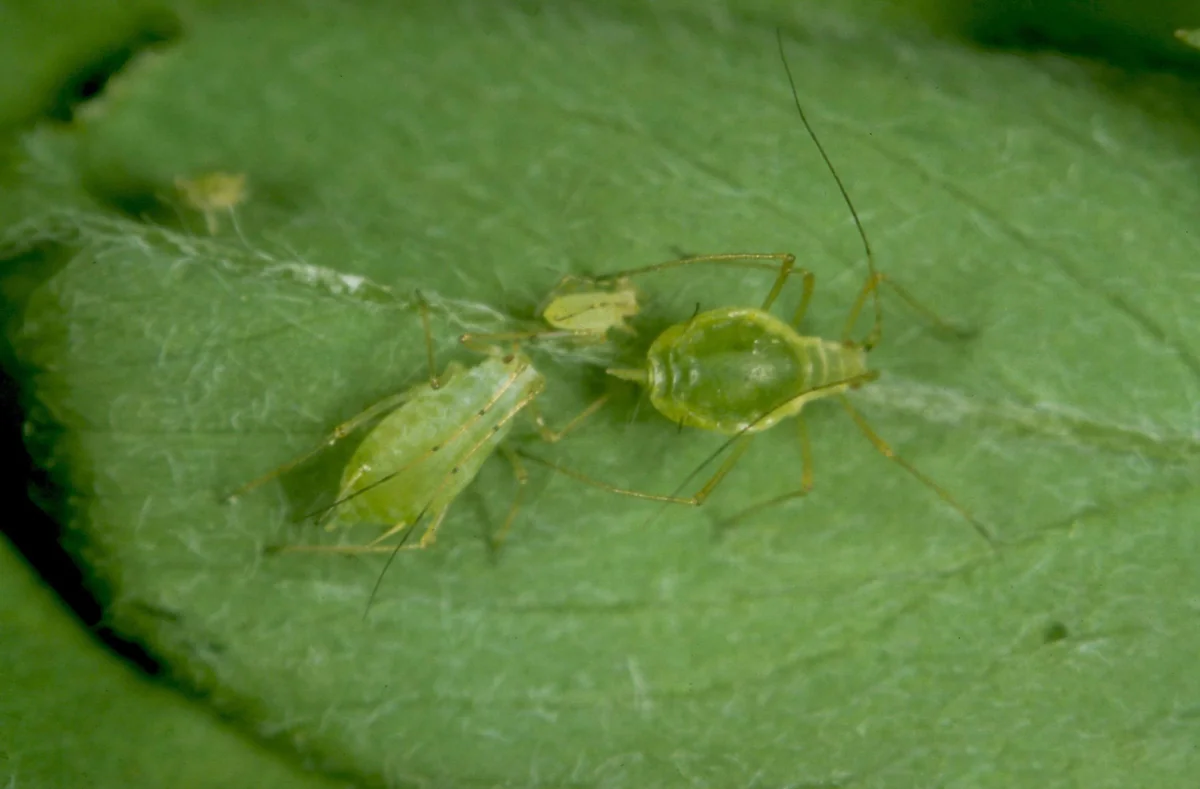
Look for soft pear-shaped colonies on tender shoots, cast skins and honeydew; use magnification for the paired rear cornicles.
Your next step
On a suitable small plant, dislodge confirmed aphids with plain water and preserve predators; separate a suspected ACP from ordinary aphid management before acting.
What to check afterwards
UC aphid guidance recommends at least twice-weekly checks during rapid growth; adapt to local growth conditions and record living colonies/new injury.
Honeydew is shared by several sap feeders, and a curled citrus shoot can have more than one cause.
Aphids — UC IPM California; no transfer of pesticide permissions. Checked 2026-10-18.
Citrus: Identifying Invertebrate Damage on Leaves — UC citrus diagnostic reference; commercial-crop thresholds and California occurrence must not become home-garden/global instructions.. Checked 2026-10-18.
Possible route 04
Other insects, mites, disease or stress
What would support it?
No serpentine mine or confirming insect keeps thrips, bud mites, webbing caterpillars and disorders in the differential; inspect the whole plant, not one curled leaf.
Blotchy yellowing that is not mirrored across the midvein, especially with abnormal/lopsided fruit, is an HLB reporting clue; nutrient patterns are often more symmetrical, but appearance alone does not confirm either cause.
Your next step
Seek citrus-specific diagnostic help for unexplained decline, blotchy yellowing or abnormal fruit. Do not use an assumed leafminer diagnosis to dismiss the plant-health reporting branch.
What to check afterwards
Editorial suggestion: record whether new symptoms spread among shoots or trees and any care changes; serious unexplained decline warrants prompt assessment.
A photo-based comparison cannot clear a regulated disease, select a pesticide or define a quarantine boundary.
Citrus: Identifying Invertebrate Damage on Leaves — UC citrus diagnostic reference; commercial-crop thresholds and California occurrence must not become home-garden/global instructions.. Checked 2026-10-18.
Asian Citrus Psyllid and Huanglongbing Disease — UC IPM California citrus; CDFA/county reporting applies to California. Other places use their plant-health authority.. Checked 2026-10-18.
If the organism or pattern does not fit, keep the alternatives open. Ask a local plant diagnostic service about serious or unexplained loss. Product labels govern the actual plant, pest, site and precautions.
Punctures, scars, tunnels, maggots or rot in fruit can have several causes. The selected plant is context, not a diagnosis.
Compare several fresh damaged and sound fruit. Photograph skin, an opened damaged fruit, any larva and the plant; record whether fruit was still on the tree or had dropped.
Opening a fruit is a diagnostic observation, not a food-safety decision. Different insects and disease can coexist.
Locality, season, variety and growth stage are still unknown. The source geography matters.
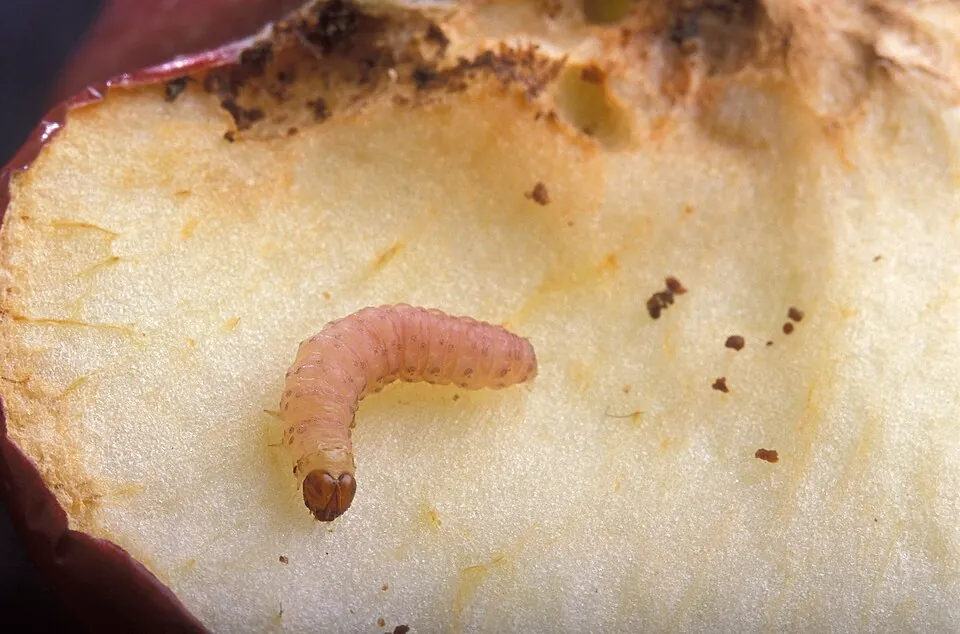
A pinkish larva with brown head plus a tunnel toward the core/seeds and crumbly golden-brown frass at an opening supports this route.
Your next step
Remove fallen infested apples during the season and after harvest; inspect storage crates/buildings for cocoons. Sanitation reduces local sources but cannot exclude moths flying in.
What to check afterwards
Use a species-specific pheromone trap with local extension timing. UMN checks traps weekly; identify catches before deciding on prevention. Minnesota dates and generation counts do not apply everywhere.
A hole without a larva/frass pattern is not conclusive; preventive timing cannot rescue a larva already inside the fruit.
Codling moths in home orchards — Minnesota home orchards; reviewed 2019. Trap dates/generation counts regional; no old pesticide recipe transferred.. Checked 2026-10-18.
Possible route 02
Apple maggot
What would support it?
Pitted/misshapen fruit with fine brown tunneling through the flesh and decay supports this alternative; the small pale maggots can be difficult to find.
Your next step
Remove drops and unwanted fruit promptly using the locally recommended disposal route. For future fruit, consider properly timed bagging or exclusion after early injury has been ruled out.
What to check afterwards
Use correctly placed monitoring traps and local flight guidance; record new punctures and dropped fruit rather than counting only larvae seen.
Absence of a visible maggot does not clear damaged fruit. Netting/bagging must exclude pests at the right stage and does not reverse existing injury.
Apple maggots — UMN home apples; Minnesota flight dates, trap thresholds and netting research not assumed universal.. Checked 2026-10-18.
Possible route 03
Plum curculio / other weevil injury
What would support it?
Check small developing apples for fresh crescent/slit-like egg-laying scars and look for the adult weevil using a regional reference.
Your next step
After confirmation, obtain a local fruit-management plan for the susceptible fruitlet period; monitoring is useful for detection and does not itself control curculio.
What to check afterwards
UMN commercial Upper Midwest guidance scouts fruitlets after petal fall, especially edges; adapt locally, and record fresh scars separately from old healed scars.
A curculio scar on apple does not prove a live larva: eggs often fail as apples enlarge. Do not transfer stone-fruit larval assumptions or commercial degree-day prescriptions blindly.
Preparing for plum curculio in apple orchards — UMN Extension April 29 2026; Upper Midwest commercial orchard context; use fruitlet evidence, not transferred degree-day/treatment prescriptions.. Checked 2026-10-18.
Possible route 04
Apple scab or another disorder
What would support it?
Corky dark skin lesions, cracking/deformation and compatible olive-to-brown leaf spots suggest a disease branch; check for true tunnels rather than calling every pit insect injury.
Your next step
Seek diagnosis for unresolved rot. For confirmed scab, reduce infected leaf litter and support canopy drying; an insecticide does not treat the fungus.
What to check afterwards
Editorial suggestion: record new leaf/fruit lesions and leaf loss. Choose any future prevention with edible-fruit guidance; old corky scars are not repaired by spraying.
Scab is one alternative, not an identification of every fruit spot. Ornamental-crabapple product guidance must not be applied to edible fruit by assumption.
Apple scab of apples and crabapples — UMN reviewed 2026; apple/crabapple disease, edible-vs-ornamental label distinction retained.. Checked 2026-10-18.
If the organism or pattern does not fit, keep the alternatives open. Ask a local plant diagnostic service about serious or unexplained loss. Product labels govern the actual plant, pest, site and precautions.
Fresh holes, windowing, missing leaf tissue or head contamination can have several causes. The selected plant is context, not a diagnosis.
Inspect upper/lower leaves, growing point and forming head for actual feeders, eggs and frass. Record seedling/transplant versus established or heading plant.
Damage shape is a route clue; compare it with an observed feeder and check whether exclusion was installed before pests entered.
Locality, season, variety and growth stage are still unknown. The source geography matters.
Possible route 01
Brassica caterpillars
What would support it?
Look for velvety green imported cabbageworms, green larvae moving in loops, or small tapered diamondback larvae; check undersides and the forming head for frass and feeding.
Your next step
Hand-remove accessible confirmed larvae on a small planting. Use suitable row covers before infestation, securing edges; retain parasitoids/predators rather than treating every insect alike.
What to check afterwards
Inspect at least weekly while susceptible crops grow; act on small larvae and new injury before head formation becomes contaminated. Local species and plant stage determine urgency.
A white butterfly nearby or a green larva not examined is not a confirmed species. Sawflies are not interchangeable with these caterpillars.
Caterpillars on cole crops — UMN Minnesota home brassicas; migrants and seasonal dates differ by locality; action depends on plant stage.. Checked 2026-10-18.
Many small pits/shot holes plus tiny jumping beetles support this branch; young plants are more vulnerable than established foliage.
Your next step
Protect vulnerable plants with suitable sealed exclusion before beetles enter, and remove nearby host weeds where appropriate. Confirm beetles and plant stage before escalating.
What to check afterwards
UMN checks susceptible young plants frequently; editorial suggestion: count observed beetles and photograph new leaves to distinguish continuing injury from old holes.
Different flea beetles use different hosts. No universal percentage of holes or a beetle on another crop establishes a treatment need.
Slugs in home gardens — Minnesota extension; active-period observation general, local product limits remain. Checked 2026-10-18.
If the organism or pattern does not fit, keep the alternatives open. Ask a local plant diagnostic service about serious or unexplained loss. Product labels govern the actual plant, pest, site and precautions.
Basal gum, bark holes/frass, thinning canopy or branch dieback can have several causes. The selected plant is context, not a diagnosis.
The peachtree/clearwing-borer route below applies to stone fruit trees. For other tree types, use the remaining investigations.
Record the exact tree species, age, location, recent trenching/grade changes, irrigation and planting history. Photograph canopy, root flare and affected bark from safe ground access.
A leaning tree, basal decay or large dead branches needs prompt arborist risk assessment. Do not peel healthy bark, cut major roots or climb to perform a web diagnosis.
Locality, season, variety and growth stage are still unknown. The source geography matters.
Possible route 01
Peachtree/clearwing borer — stone fruit hosts
What would support it?
On apricot, cherry, peach or plum, fresh frass mixed with gum near the trunk base supports peachtree-borer investigation; pure gum alone has several causes.
Your next step
Have the host and borer confirmed before planning intervention. Protect the trunk from further injury and correct demonstrated stress; foliar insecticide is not a dependable rescue for larvae beneath bark.
What to check afterwards
Use local moth activity/host guidance. Editorial suggestion: photograph recurring fresh gum/frass at the same point; peachtree borer pupates in soil, so visible bark pupal cases are not required.
This route concerns stone fruit trees. Gummosis also follows disease, wet roots and mechanical injury; gum alone does not confirm a borer.
Clearwing Moths — UC IPM California landscape borers; revised 2013. Host identity and local flight timing essential; not every borer responds to the same treatment.. Checked 2026-10-18.
Record fresh emergence holes, frass, wet staining and any insect; different borers and host trees require different keys. Hole shape alone does not establish an invasive species.
Your next step
Obtain arborist/extension identification and protect roots/trunk from injury. Many borers exploit stress, but some attack apparently healthy trees; avoid assuming that extra watering or a general spray will resolve every case.
What to check afterwards
Editorial suggestion: track new activity separately from old holes. Species-specific local monitoring and any reporting requirement should follow confirmed host/locality.
California examples are not a worldwide prevalence list. Holes can persist after emergence and do not prove living larvae or current structural risk.
Flatheaded Borers — UC IPM California species examples; many attacks follow stress, but some species attack apparently healthy trees.. Checked 2026-10-18.
Possible route 03
Girdling roots, deep planting or construction injury
What would support it?
Check whether the natural root flare is buried and whether roots or ties visibly constrict the trunk; review root-zone trenching/compaction even if it happened years earlier.
Your next step
Move loose mulch away from trunk contact; request arborist assessment of buried/girdling roots or embedded ties. Do not automatically cut a large or grafted root: removal can cause further harm.
What to check afterwards
Editorial suggestion: record canopy change and site history with the arborist. Root injury can have delayed effects, so short-term leaf greening does not settle the cause.
A missing flare is a clue, not proof of a particular hidden root. Severe or longstanding injury may not be reversible.
Girdling Roots — Maryland landscape trees; large or grafted girdling roots require arborist judgement, not automatic severing.. Checked 2026-10-18.
Damaged Tree Roots — Maryland landscapes; symptoms can be delayed after construction or trenching; prevention emphasized.. Checked 2026-10-18.
Possible route 04
Root/crown disease or water stress
What would support it?
Compare root-zone wetness, drainage, canopy progression and existing basal cankers/decay; on cherry, gum without frass can also fit stress or disease.
Your next step
Stop a demonstrated source of trunk wetting or waterlogging and seek diagnostic assessment. Do not add water to wet roots or diagnose a pathogen solely from gum/discoloration.
What to check afterwards
Editorial suggestion: retain photos of the same boundary and water records. Continuing decline or basal decay warrants prompt professional assessment rather than a trial pesticide.
Drought, overwatering, damaged roots and infection can coexist; a home moisture check cannot rule out disease.
Water Management and Pest Problems — UC IPM landscape water/root stress; both drought and excess water matter; do not infer irrigation need from wilt alone.. Checked 2026-10-18.
If the organism or pattern does not fit, keep the alternatives open. Ask a local plant diagnostic service about serious or unexplained loss. Product labels govern the actual plant, pest, site and precautions.
Poor growth, yellowing or wilt with suspected root injury can have several causes. The selected plant is context, not a diagnosis.
Compare root-zone moisture, drainage, planting date, nutrition history and neighboring healthy plants. Photograph symptoms before disturbing roots.
If sacrificing a failing plant is acceptable, gently expose/wash its roots for observation; contact the diagnostic laboratory before collecting a root/soil sample so the sample remains usable.
Locality, season, variety and growth stage are still unknown. The source geography matters.
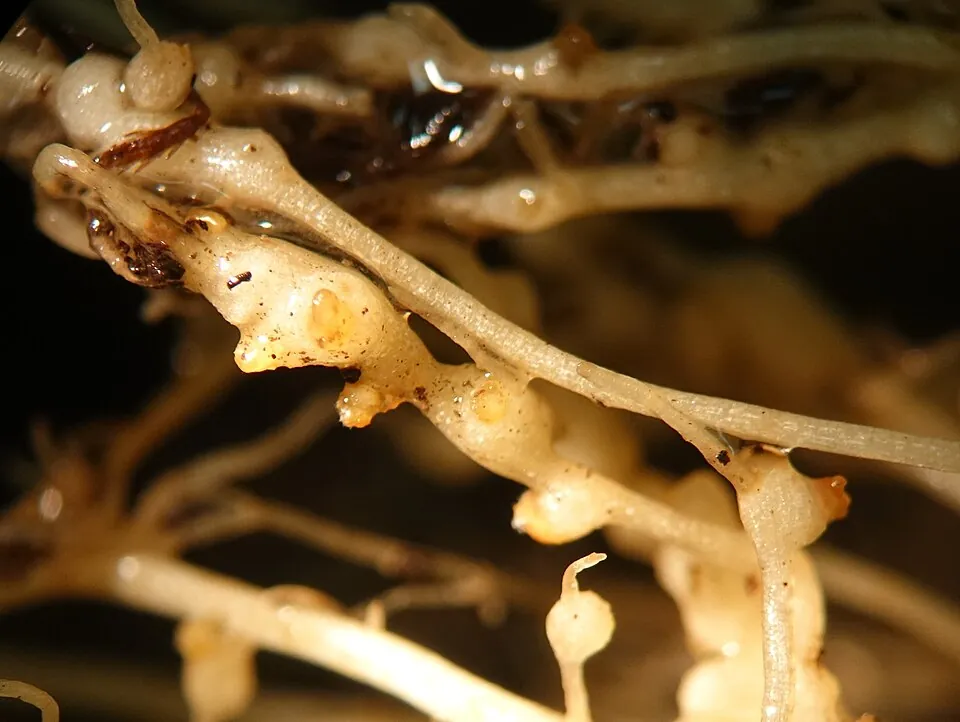
Look for firm swellings that are part of the root, rather than surface material; photograph the whole root system and galls. Aboveground wilt/stunting alone is nonspecific.
Your next step
Use a plant/nematode diagnostic service for confirmation and species-aware replanting advice. Avoid moving suspect soil, roots or runoff into clean beds; clean soil from equipment.
What to check afterwards
Editorial suggestion: compare documented roots and plant growth over the season; preserve the laboratory result before choosing resistant varieties or rotation crops.
Other nematodes can injure roots without obvious galls. Tomato resistance to common root-knot species is not resistance to every Meloidogyne species or every root disease.
Root Knot Nematodes — UC IPM gardens/landscapes; species and host differ, positive species identification requires appropriate laboratory samples.. Checked 2026-10-18.
Nematodes — UC IPM home garden source revised 2010; root-knot vs other root nematodes; old chemical information not transferred.. Checked 2026-10-18.
Possible route 02
Water, compaction or root-zone stress
What would support it?
Check both dry and saturated zones and whether irrigation actually reaches roots; compare affected plants with nearby healthy plants and recent soil disturbance.
Your next step
Correct the demonstrated soil/water problem. Wilt is not an instruction to add water when the soil is saturated; indiscriminate fertilizer cannot diagnose weak roots.
What to check afterwards
Editorial suggestion: record moisture and next-morning recovery/new growth after care changes; persistent or spreading decline needs clinic assessment.
Stress and root infection can occur together; improved watering does not rule out disease or nematodes.
Water Management and Pest Problems — UC IPM landscape water/root stress; both drought and excess water matter; do not infer irrigation need from wilt alone.. Checked 2026-10-18.
Key to Common Problems of Tomatoes — Maryland tomato diagnostic key, updated June 2025; local disease frequency does not establish global likelihood.. Checked 2026-10-18.
Possible route 03
Tomato disease or another swelling
What would support it?
One-sided yellowing/wilt or discolored internal stem tissue keeps a vascular disease route open. Harmless adventitious bumps on the tomato stem are not root-knot galls.
Your next step
Have a plant clinic assess unexplained progressive wilt with roots and plant history. Do not turn a stem bump or a wilted plant into a nematode diagnosis or apply an assumed cure.
What to check afterwards
Editorial suggestion: document progression on the whole plant and share the exact host/cultivar. Laboratory sampling instructions are more useful than repeated destructive home tests.
Beneficial nitrogen-fixing nodules occur on legumes, not tomato; on a misidentified bean/pea, nodules that rub off are an important alternative to true root swellings.
Key to Common Problems of Tomatoes — Maryland tomato diagnostic key, updated June 2025; local disease frequency does not establish global likelihood.. Checked 2026-10-18.
Common Causes of Plant Galls — UC IPM diagnosis comparison; beneficial legume nodules and other galls are not interchangeable with root-knot.. Checked 2026-10-18.
If the organism or pattern does not fit, keep the alternatives open. Ask a local plant diagnostic service about serious or unexplained loss. Product labels govern the actual plant, pest, site and precautions.